Roofing aesthetics and colour trends in Australia continue to evolve, reflecting our unique landscapes, climate challenges, and architectural preferences. As we move into 2025, the interplay between form, colour, texture, and material choices has become increasingly important in defining a home’s character and performance. This comprehensive guide explores the latest roof design trends 2025 has to offer, helping you make informed decisions that balance visual appeal with practical considerations.
Roofing aesthetics encompasses more than just colour selection—it’s about creating harmony between your roof’s form, texture, material, and how these elements complement your home’s overall design. In the Australian context, roofing must balance visual appeal with practical considerations like heat reflection, durability against harsh weather, and bushfire resistance.
The roof represents up to 30% of your home’s visible exterior, making it a crucial element in establishing curb appeal and architectural identity. From the sleek lines of contemporary metal roofing to the textural richness of tiles, your roof colour selection and material choice significantly impact your property’s character and value.

The latest colour palettes for Australian roofing reflect our connection to the natural environment while embracing contemporary design sensibilities. BlueScope’s 2025 Colorbond trend palette introduces several standout directions that are reshaping roofing aesthetics across the country.
Light, reflective tones like Surfmist, Evening Haze, and the new Whisper White are gaining popularity, especially in coastal and urban heat island areas. These shades not only complement beachside architecture but also offer practical benefits by reflecting up to 77% more solar radiation than darker alternatives, according to CSIRO research.

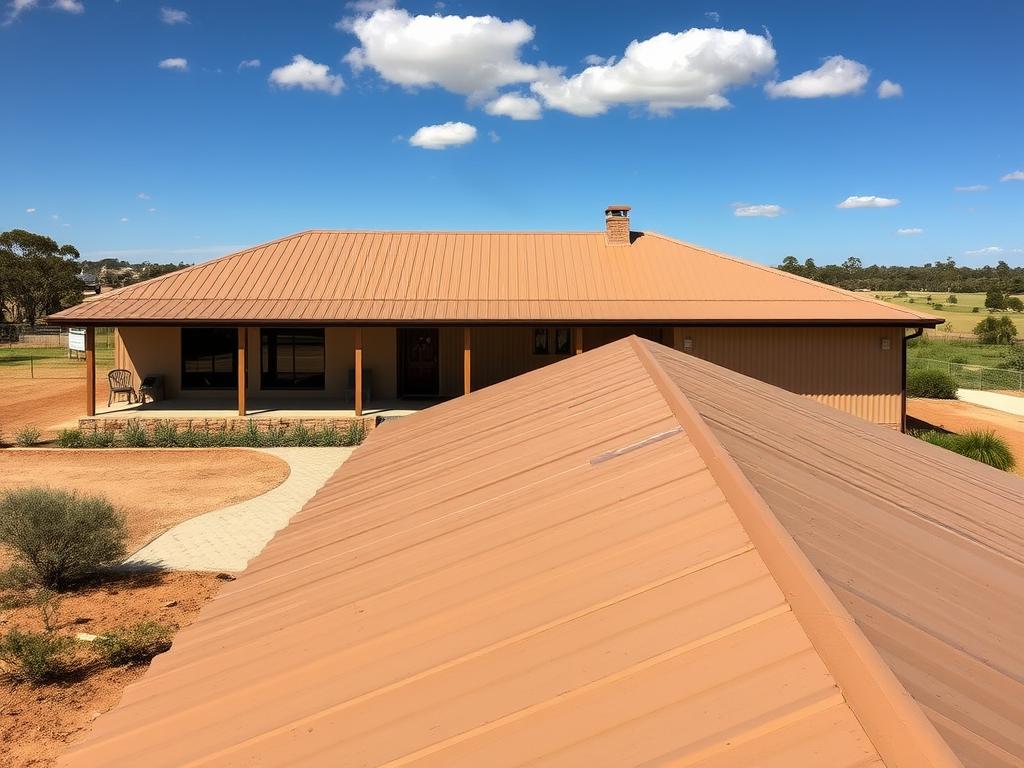
Warm, earthy tones inspired by Australia’s interior landscapes are making a strong statement. Colours like Dune, Terrain, and Cove create a grounded aesthetic that blends harmoniously with natural surroundings and native vegetation. These mid-tones offer an excellent balance between heat absorption and reflection, making them versatile choices across different climate zones.
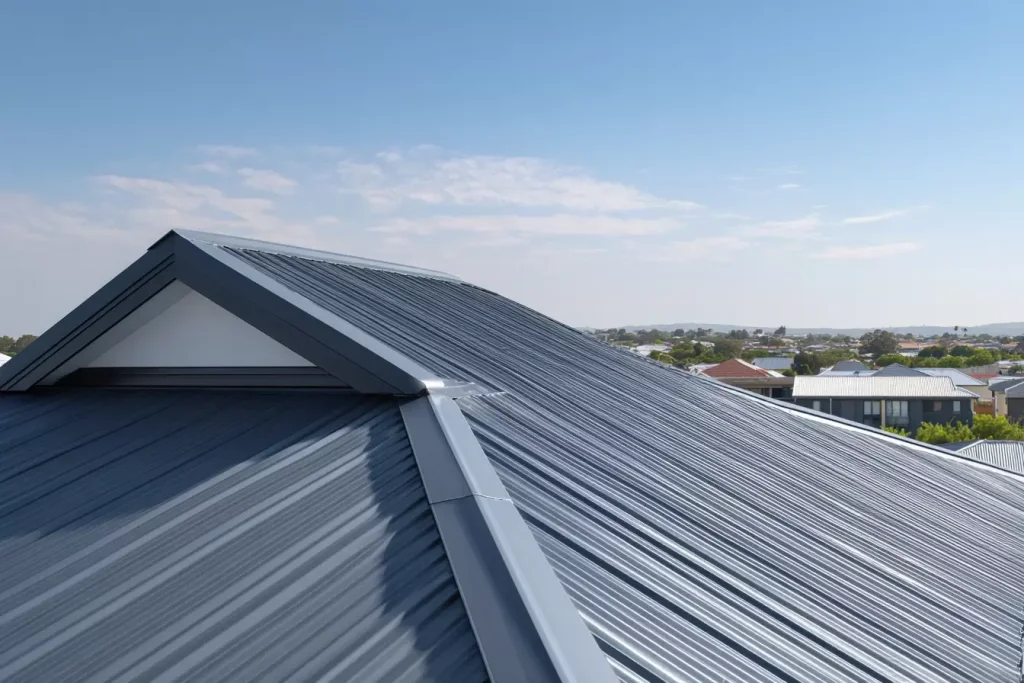
For contemporary homes seeking dramatic contrast, deeper shades like Monument, Woodland Grey, and Night Sky continue to dominate urban settings. The introduction of Colorbond’s matte finish has revolutionized these darker tones, reducing glare by approximately 40% compared to standard finishes while creating a sophisticated, premium aesthetic.

One of 2025’s most distinctive trends is the strategic combination of different roofing materials to create visual interest and textural depth. Popular combinations include:

Not sure which colour trend would suit your home? Download our comprehensive 2025 Colour Trend Lookbook featuring real Australian homes and expert colour matching advice.
Roof colour selection impacts more than just appearance—it significantly affects your home’s thermal performance, energy efficiency, and compliance with building regulations. Understanding these relationships helps make informed decisions that balance aesthetics with practical benefits.
The Solar Reflectance Index measures how effectively a surface reflects solar radiation and emits absorbed heat. According to CSIRO’s cool roof research, light-coloured roofs can reduce cooling energy needs by 30-40% compared to dark alternatives. For example, Colorbond’s Surfmist has an SRI of 87, while Monument has an SRI of just 9.
In bushfire-prone areas, roof material and colour choices must comply with specific BAL ratings. Metal roofing systems like Colorbond can be used in all BAL zones including the most extreme BAL-FZ (Flame Zone), providing both safety compliance and aesthetic flexibility. Lighter colours generally perform better in high-temperature conditions by reflecting radiant heat.
As urban areas face increasing heat challenges, roof colour selection becomes an important consideration for community-wide temperature management. Research from the NSW Department of Planning and Environment indicates that widespread adoption of high-SRI roofing can reduce ambient temperatures in urban areas by up to 2-3°C during summer heat events.

Beyond colour, the physical form and texture of roofing materials are evolving to offer new aesthetic possibilities while maintaining performance. These modern roof design approaches are reshaping Australian streetscapes.
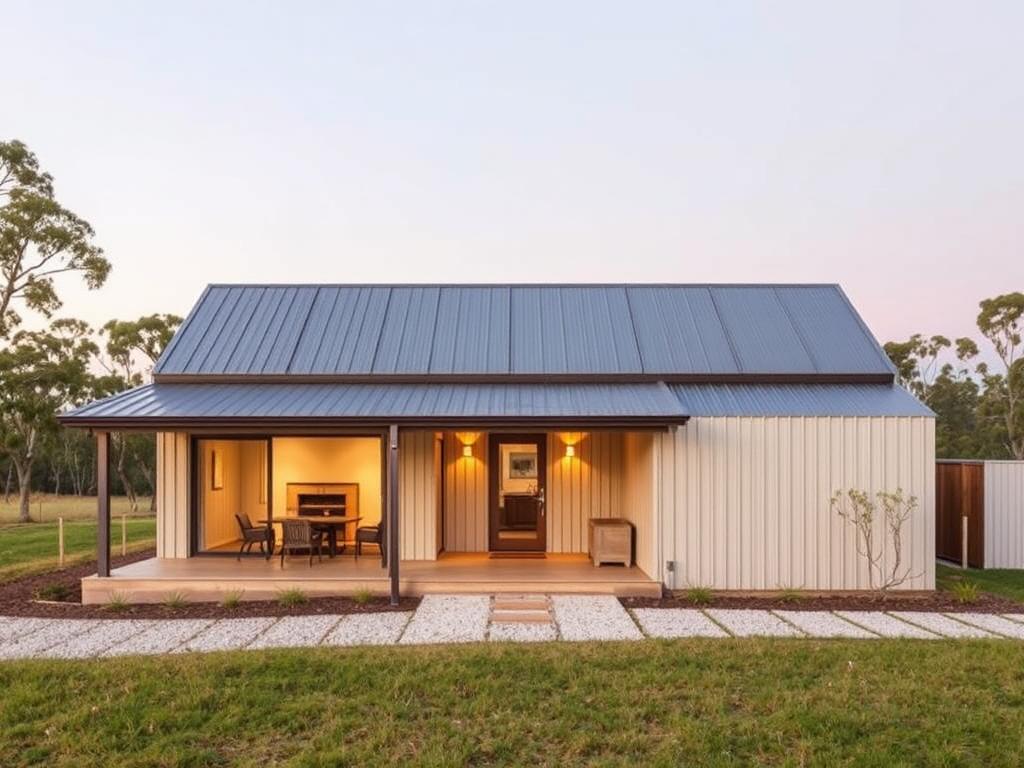
The clean, vertical lines of standing-seam metal roofing have moved from commercial to residential applications, offering a distinctly contemporary aesthetic. With concealed fixings and minimal visible joins, these profiles create an uninterrupted, sleek appearance that complements minimalist architecture.

Wide-pan metal cladding with its broad, flat surfaces creates a bold, contemporary look that’s gaining popularity for both roofing and wall applications. This profile offers excellent water shedding capabilities while providing a distinctive visual statement, especially when used in contrasting orientations or colours.

Traditional concrete tiles have evolved into sleeker, more contemporary profiles. These slimline options offer the durability of concrete with a more refined appearance that appeals to modern design sensibilities. Often featuring flat profiles and subtle colour variations, they bridge the gap between traditional tile aesthetics and contemporary design preferences.

Offering dimensional depth and textural interest, architectural shingles are gaining traction in premium residential projects. These multi-layered products create shadow lines and visual complexity that standard roofing materials can’t match, adding character and distinction to high-end homes.
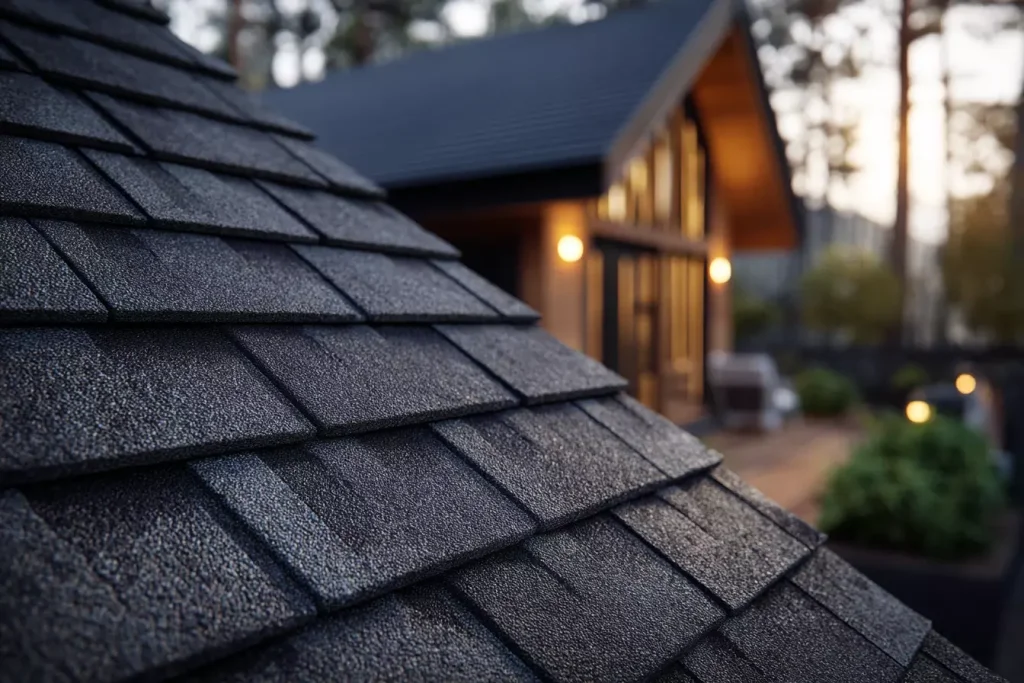
Australia’s diverse environments call for regionally-appropriate roofing aesthetics that respond to local conditions. These regional palettes balance visual harmony with the surrounding landscape and practical performance considerations.
| Region | Recommended Colours | Key Considerations | Best Suited Profiles |
| Tropical North | Surfmist, Shale Grey, Evening Haze | High SRI, cyclone resistance, corrosion protection | Corrugated, low-profile metal |
| Outback Interior | Terrain, Deep Ocean, Jasper | Fade resistance, dust visibility, extreme temperature range | High-tensile metal, insulated panels |
| Temperate South | Woodland Grey, Basalt, Dune | Balanced thermal performance, moss resistance | Versatile – tiles or metal |
| Coastal Zones | Surfmist, Evening Haze, Windspray | Marine-grade materials, salt corrosion resistance | Colorbond Ultra, standing seam |
| Urban Areas | Monument, Night Sky, Wallaby (matte) | Council regulations, neighborhood character | Contemporary profiles, mixed materials |
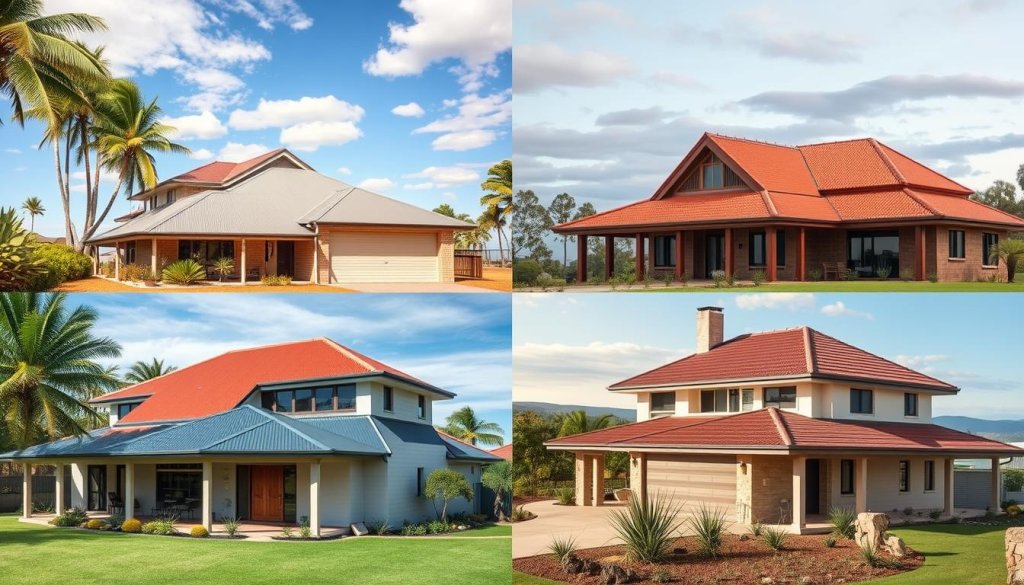
Not sure which roofing palette suits your local conditions? Our roofing specialists can provide personalized recommendations based on your location, home style, and performance requirements.
Selecting the perfect roof aesthetic involves a methodical approach that balances inspiration with practical considerations. Follow this proven workflow to ensure your roofing project achieves both visual appeal and optimal performance.
Begin by collecting images of roofs you admire from magazines, neighborhood walks, and online platforms like Pinterest or the Australian Institute of Architects awards gallery. Look for patterns in your preferences—are you drawn to particular colours, profiles, or material combinations?

Take advantage of manufacturer visualiser tools that allow you to “try on” different roof colours and profiles virtually. Colorbond’s visualiser lets you upload photos of your own home or use similar house styles to test different combinations before committing.
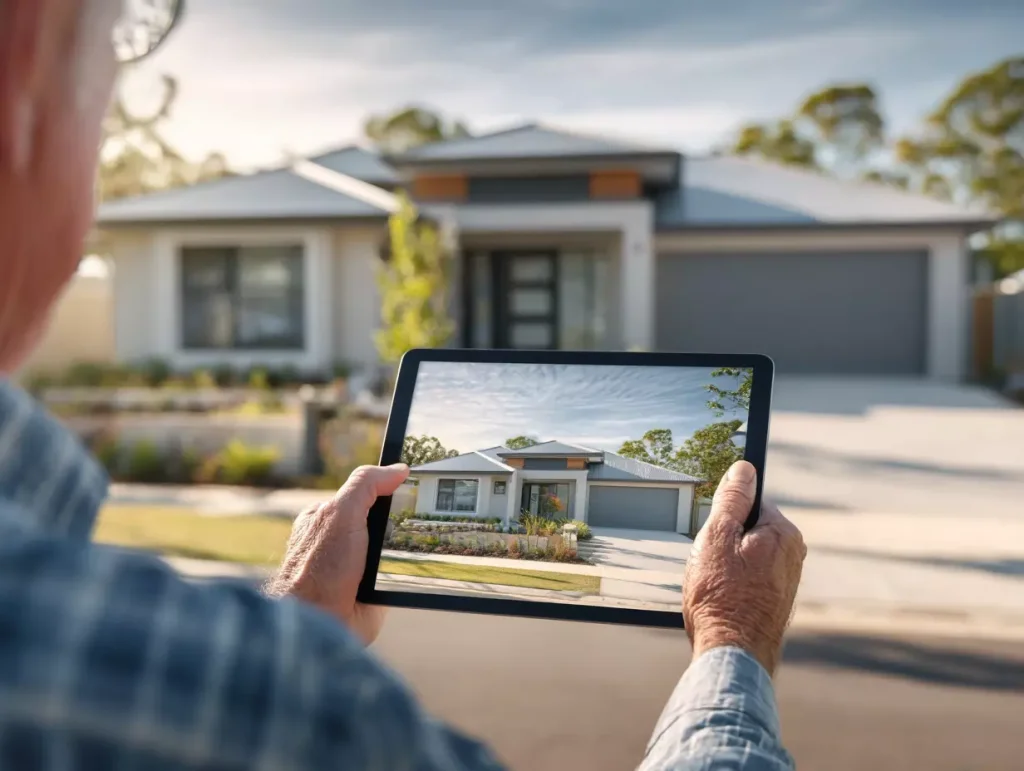
Different architectural styles harmonize with specific roof aesthetics. Contemporary minimalist homes often suit sleek, dark profiles, while Queenslanders and Federation styles may benefit from more traditional profiles in heritage-inspired colours. Use our roof colour selection tool to test combinations that complement your home’s character.
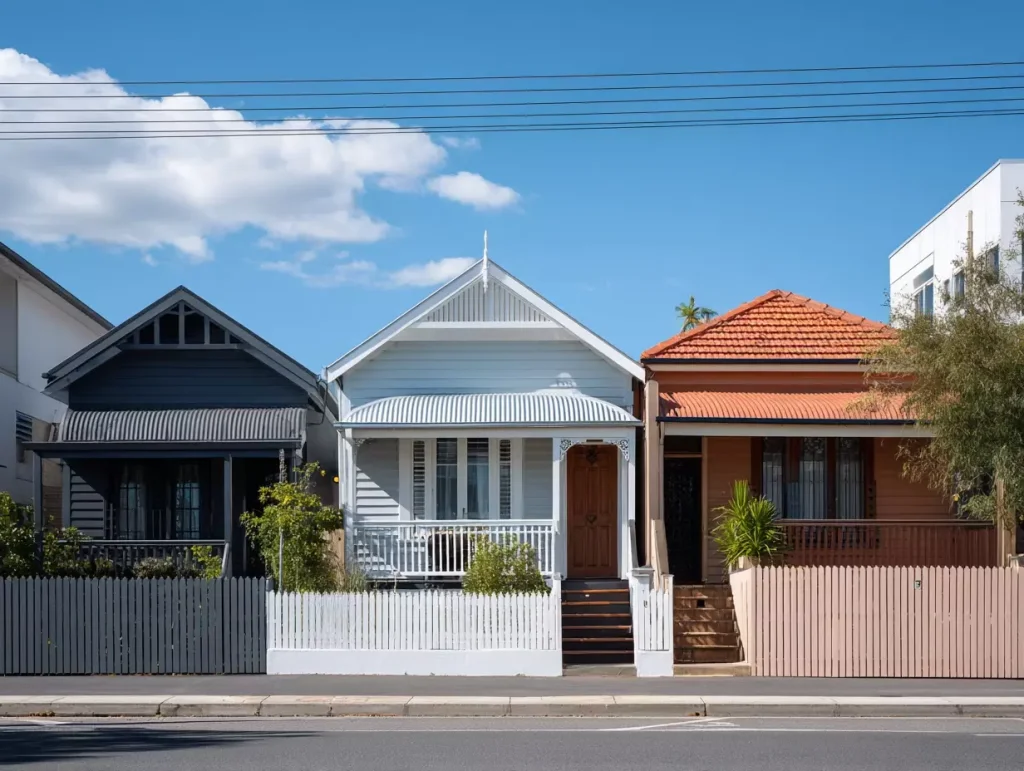
Evaluate your local climate conditions, including temperature extremes, rainfall patterns, and exposure to salt spray or bushfire risk. These factors should influence both material and colour choices to ensure long-term performance alongside aesthetic appeal.
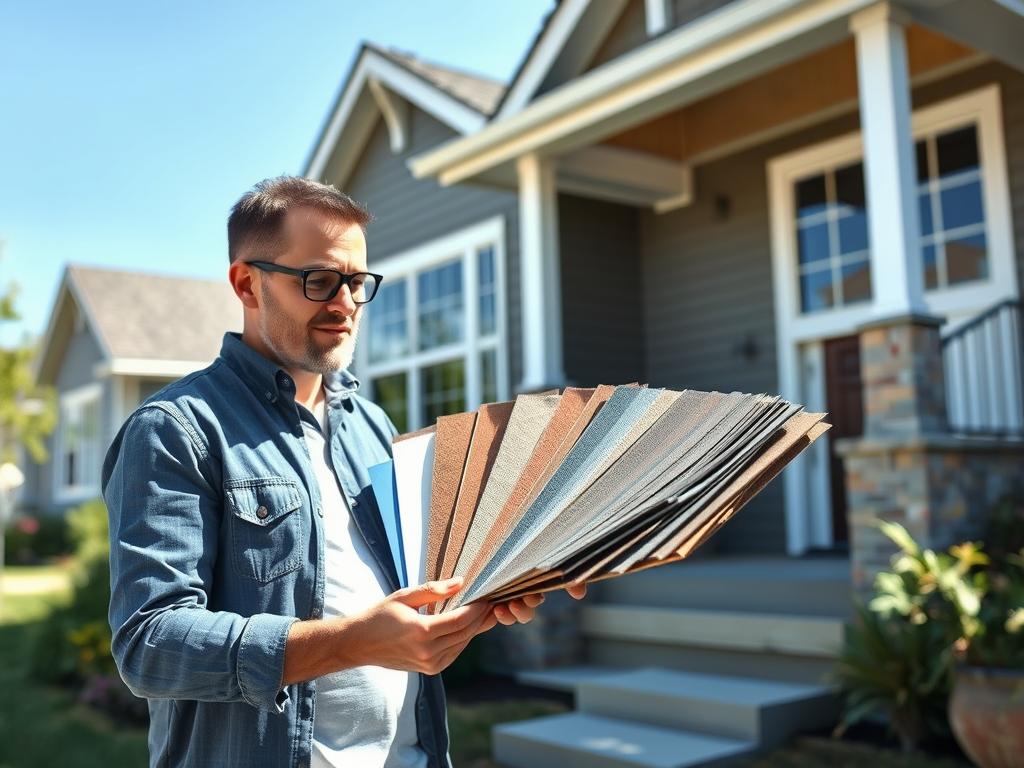
Before finalizing your selection, obtain physical samples of your shortlisted options and view them on-site at different times of day. Colours and textures can appear dramatically different under morning, midday, and afternoon light conditions, as well as on cloudy versus sunny days.
Many Australian local councils have specific requirements regarding roof colours and materials, particularly in heritage areas or neighborhoods with character overlays. Review your local council design guidelines before finalizing your selection to ensure compliance.

Understanding the long-term implications of your roofing aesthetic choices helps ensure satisfaction with both appearance and performance over time. Consider these practical aspects alongside your style preferences.
Different colours and finishes age at varying rates under Australian sun exposure. According to CSIRO studies on UV exposure, darker colours typically show visible fading 15-20% sooner than lighter shades. Matte finishes, while currently trending, may show marks and require more frequent cleaning in high-pollution areas.
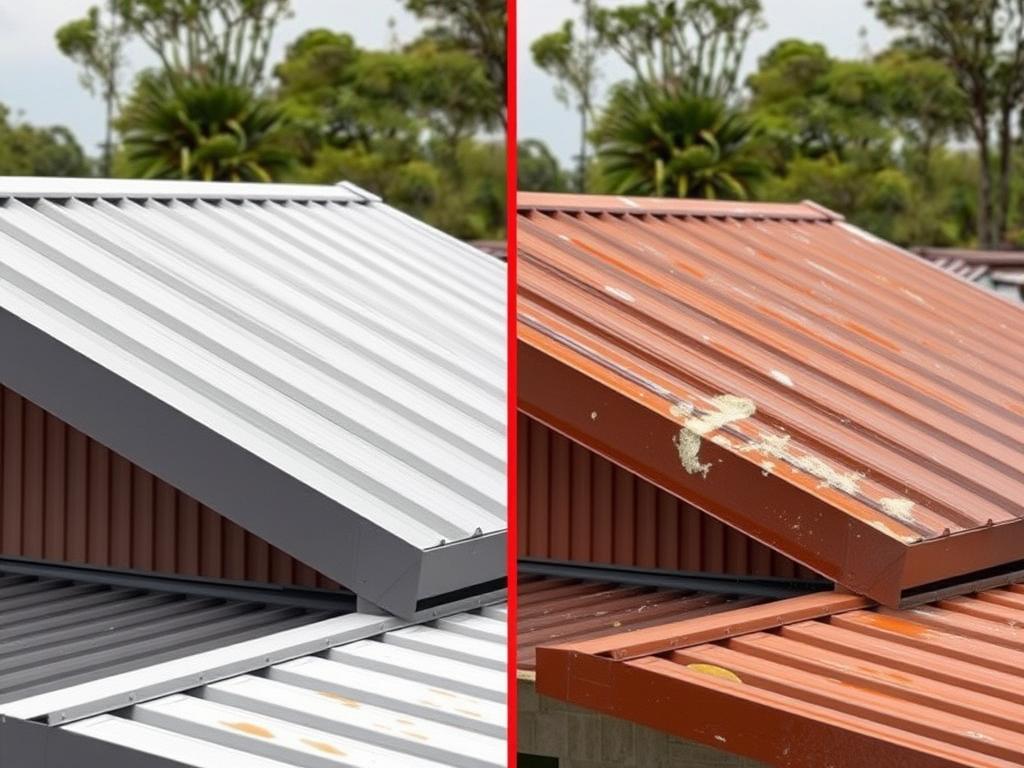
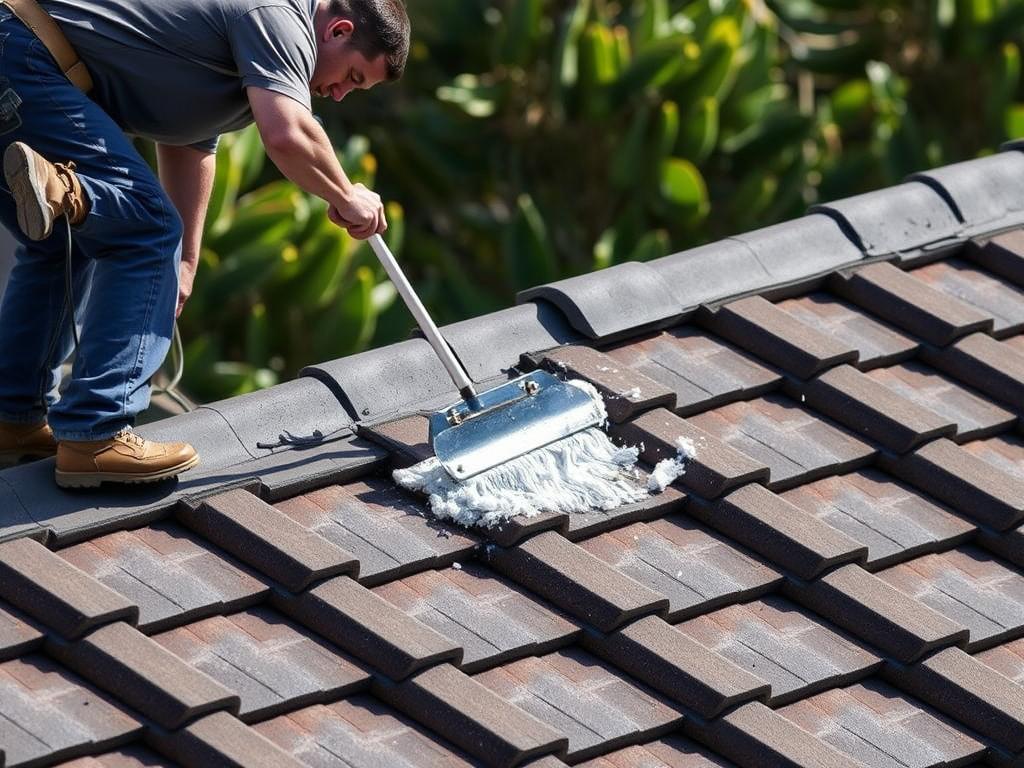
Consider how different aesthetic choices impact maintenance needs:
If you anticipate future home extensions, consider the long-term availability of your chosen roofing aesthetic. Standard Colorbond colours have excellent continuity, while limited edition or specialty finishes may be harder to match years later. Some homeowners intentionally choose contrasting materials for extensions as a design feature rather than attempting perfect matches.
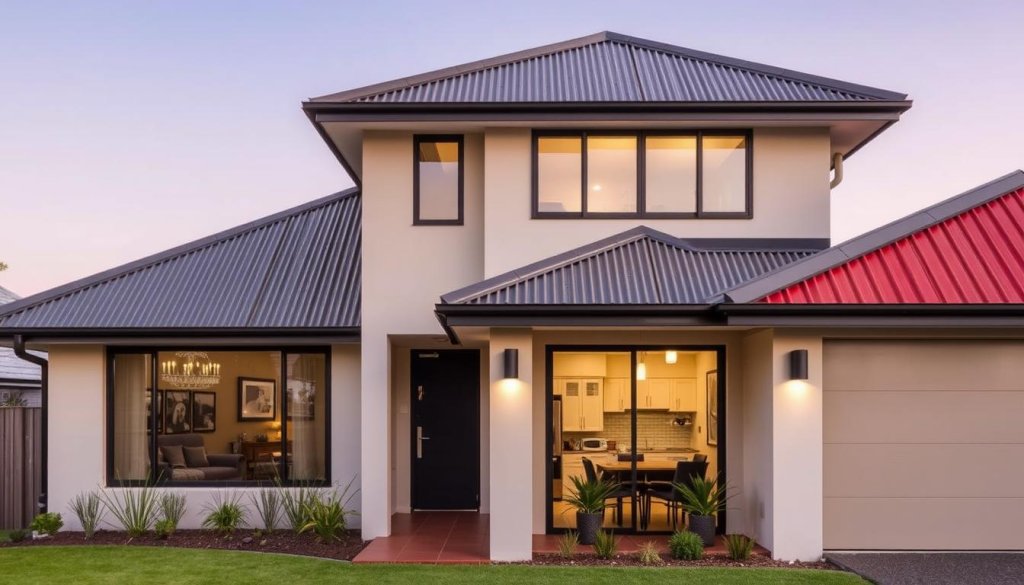
These real Australian homes demonstrate how strategic roof restoration and aesthetic updates significantly enhanced property value and curb appeal.
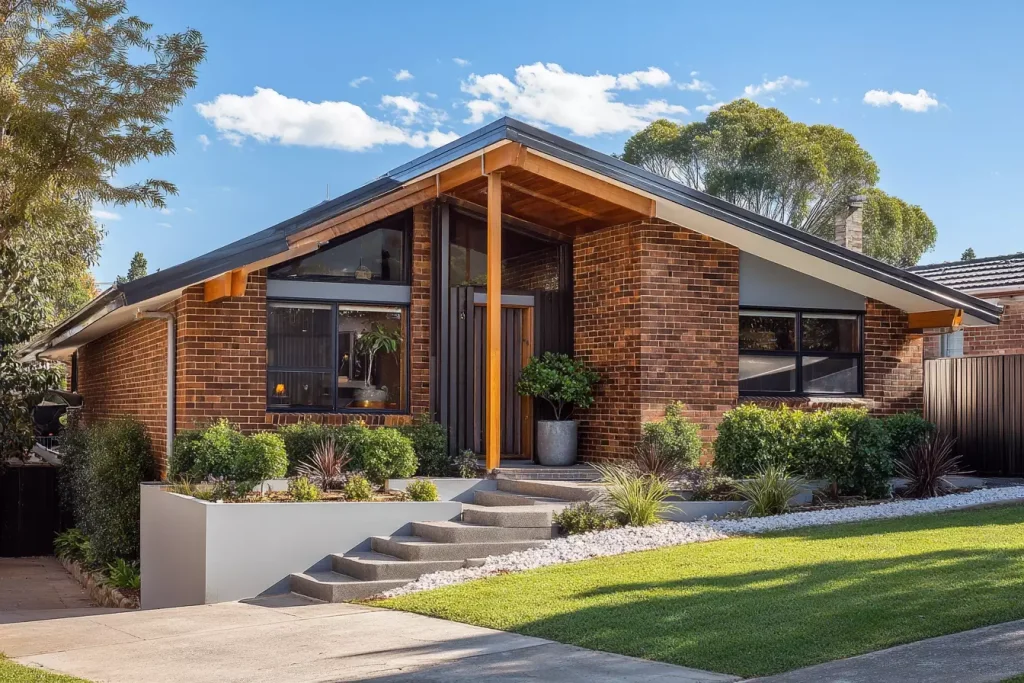
The Transformation: Replaced faded concrete tiles with Colorbond Monument in a matte finish, added timber gable accents.
Value Added: $85,000 increase in property valuation, reduced cooling costs by 23%.
Owner Feedback: “The contemporary roof completely transformed our dated home. We’ve received multiple compliments and even a purchase offer since the renovation.”
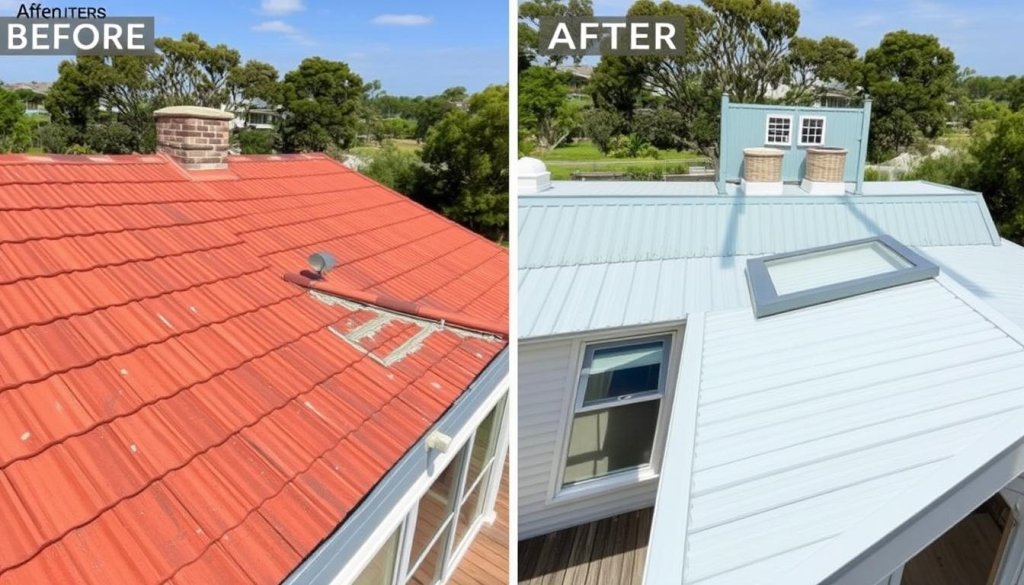
The Transformation: Replaced corroded metal roof with Colorbond Surfmist, added three strategically placed skylights.
Value Added: $67,000 increase in property valuation, dramatically improved natural lighting.
Owner Feedback: “The light-reflective roof has made our summer electricity bills noticeably lower, and the skylights have transformed dark interior spaces.”
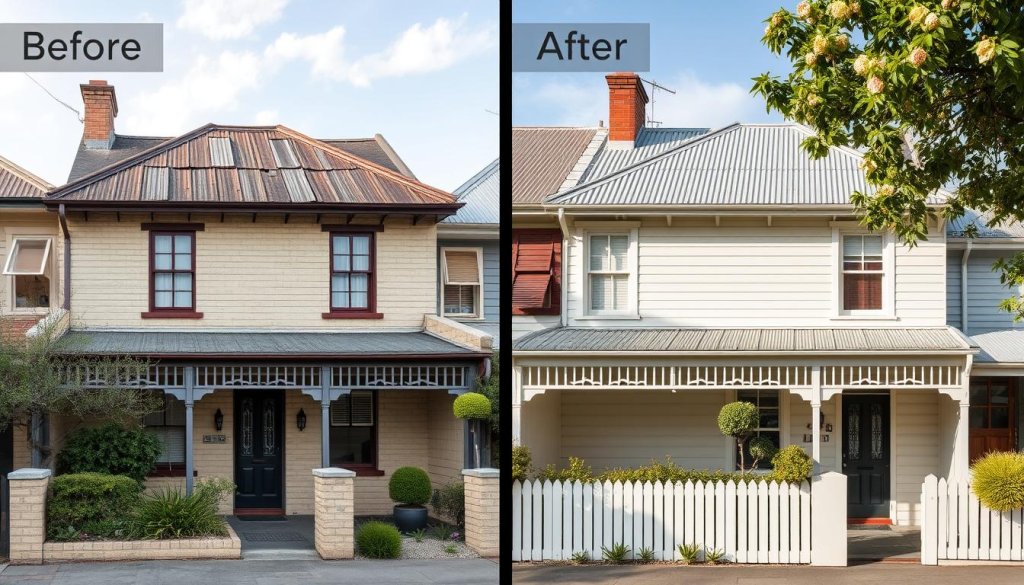
The Transformation: Restored original front facade roofing, replaced rear section with complementary Colorbond Basalt standing seam.
Value Added: $112,000 increase in property valuation, improved heritage character while modernizing living areas.
Owner Feedback: “We preserved the street appeal while gaining a contemporary feel for the extension. The council heritage officer actually commended our approach.”
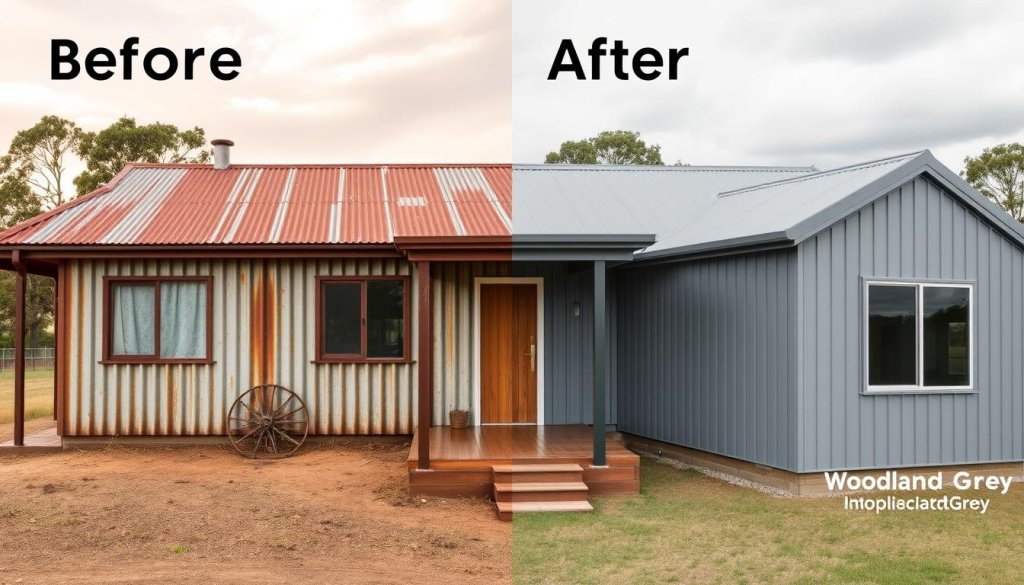
The Transformation: Replaced rusted corrugated iron with Colorbond Woodland Grey, added roof insulation and ventilation.
Value Added: $53,000 increase in property valuation, 35% improvement in thermal performance.
Owner Feedback: “The new roof blends perfectly with our bush setting while providing much better protection against summer heat and potential bushfires.”
Yes, in most Australian climates, dark roofs absorb more solar radiation and can increase cooling costs. According to CSIRO research, dark-colored roofs can be 20-30°C hotter than ambient air temperatures during summer, while light-colored roofs may only be 5-10°C warmer. This difference can increase cooling energy requirements by 20-40% in hot climates. However, in cooler southern regions with predominant heating needs, darker roofs may provide beneficial passive heating during winter.
Roofing colour trends typically have a longer cycle than interior design trends, usually remaining current for 10-15 years. The most enduring choices are those that complement the local environment and architectural style rather than following short-term fashion. Neutral tones like Monument, Surfmist, and Woodland Grey have remained popular for over a decade and continue to be safe long-term choices. If you’re concerned about longevity, consider the classic colours in Colorbond’s core range rather than limited edition or trend-specific options.
Yes, mixing roofing materials has become a popular design approach when done thoughtfully. The key is to ensure materials complement each other and serve appropriate functions for different roof sections. Common successful combinations include metal roofing for main sections with timber accents on features like gables, or traditional tiles on heritage-facing facades with contemporary metal on rear extensions. When mixing materials, consider not just aesthetics but also how they interact physically—ensuring compatible drainage systems and addressing different expansion rates.
According to real estate data from the Real Estate Institute of Australia, roofing upgrades that add the most value typically include: 1) Contemporary profiles that update dated homes, 2) Colour choices that complement the neighborhood while offering distinctive character, 3) Performance features like improved insulation and reflectivity, and 4) Quality materials with long warranties. The highest ROI comes from roofing that balances current trends with timeless appeal, rather than highly specific or unusual aesthetic choices.
Matte finish roofing requires slightly different maintenance than standard gloss finishes. To preserve its appearance: 1) Wash more frequently in high-pollution areas as airborne contaminants may be more visible, 2) Use gentle, low-pressure washing methods rather than high-pressure cleaning which can damage the finish, 3) Address leaf litter and organic debris promptly to prevent staining, and 4) Follow manufacturer guidelines for compatible cleaning products. Most matte Colorbond products benefit from a simple wash with clean water and mild detergent every 6-12 months, depending on your local conditions.
The roofing aesthetics and colour trends Australia is embracing in 2025 offer exciting opportunities to enhance your home’s character, performance, and value. Whether you’re drawn to the crisp minimalism of matte Monument, the coastal freshness of Surfmist, or the natural harmony of earthy mid-tones, your roof colour and material choices make a powerful statement about your home.
Remember that the most successful roofing aesthetics balance current trends with timeless appeal, regional appropriateness, and performance considerations. By thoughtfully applying the insights from this guide, you can create a roof that not only looks stunning today but continues to perform beautifully for decades to come.
Our roofing specialists can help you navigate the latest trends and select the perfect aesthetic for your home. Book your free, no-obligation roof style consultation today.

At Roofs.com.au, we are dedicated to providing top-quality roofing services across Australia. With years of experience in the roofing industry, we have earned a reputation for delivering reliable, efficient, and high-quality roofing solutions.
We’d love to hear from you! Whether you need a roof inspection, a free quote, or emergency roof repairs, our team is ready to assist you. Please visit our Contact Page to get in touch with us.
At Roofs.com.au, we take pride in being responsive, reliable, and ready to solve all your roofing needs. Simply complete the form & one of our team member will be in contact with you shortly.