Recycled & Low‑Carbon Roofing Materials in Australia: 2025 Sustainable Guide
- July 15, 2025
The roofing industry in Australia is undergoing a significant transformation as sustainability becomes a priority for homeowners and builders alike. Traditional roofing materials can account for up to 25% of a building’s embodied carbon, making the choice of recycled and low‑carbon roofing materials Australia offers increasingly important. This comprehensive guide explores how eco‑friendly roofing Australia options can dramatically reduce your carbon footprint while providing durable, cost-effective solutions for your home or commercial project.
Understanding Embodied Carbon in Roofing Materials
Embodied carbon refers to the total greenhouse gas emissions generated throughout a material’s lifecycle – from extraction and manufacturing to transportation, installation, maintenance, and end-of-life disposal. According to the CSIRO’s lifecycle assessment tools, conventional roofing materials like concrete tiles and standard metal sheets can have a significant carbon footprint.
The environmental impact of roofing materials is particularly concerning in Australia, where extreme weather conditions often necessitate frequent replacements and repairs. By choosing recycled and low-carbon alternatives, you can reduce your building’s embodied carbon by up to 40% while contributing to Australia’s commitment to carbon neutral construction practices.
Did you know? The production of traditional concrete roof tiles generates approximately 0.19 kg CO₂-e per kilogram, while recycled metal roofing can reduce this impact by up to 95% when using high recycled content.
The concept of lifecycle emissions is crucial when evaluating roofing materials. A truly sustainable roof considers not just the initial manufacturing impact but also durability, maintenance requirements, thermal performance, and end-of-life recyclability – all factors we’ll explore in this guide to help you make an informed decision.
Recycled Metal Roofing: Leading the Sustainable Revolution
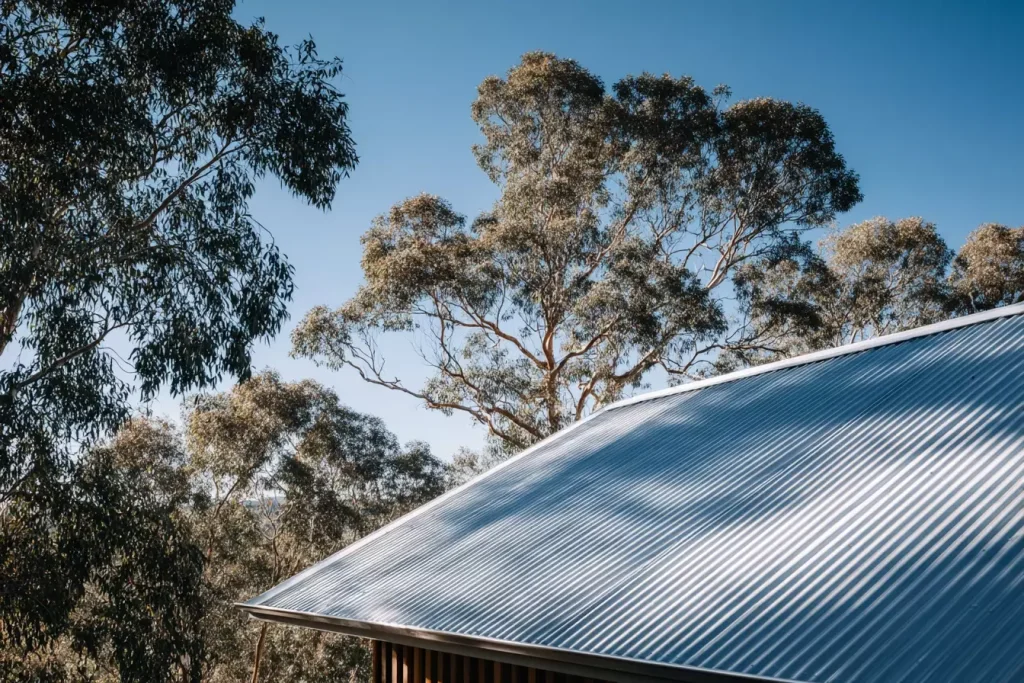
Metal roofing with high recycled content has emerged as one of Australia’s most popular low-carbon roofing solutions. These materials combine durability with significant environmental benefits, making them ideal for both residential and commercial applications.
Colorbond Steel with Recycled Content
BlueScope’s Colorbond steel now incorporates significant recycled content, with sustainability reports indicating up to 30% recycled steel in their products. This Australian-made material offers exceptional durability in harsh climates while reducing the carbon footprint associated with virgin steel production.
Colorbond’s thermal efficiency is enhanced through solar reflective technology, which can reduce cooling costs by up to 20% when combined with proper insulation. The material’s lightweight nature also reduces structural requirements and associated carbon emissions during construction.
Recycled Aluminium Roofing
Aluminium roofing with recycled content offers an even lower carbon footprint, with some products containing up to 95% recycled material. The production of recycled aluminium requires only 5% of the energy needed to produce primary aluminium, making it one of the most environmentally friendly metal roofing options available in Australia.
Particularly suitable for coastal areas due to its corrosion resistance, recycled aluminium roofing provides excellent durability with minimal maintenance requirements. Its lightweight nature also reduces transportation emissions and simplifies installation.
Advantages of Recycled Metal Roofing
- Contains 30-95% recycled content, significantly reducing embodied carbon
- Exceptional durability with lifespans of 40-70 years
- 100% recyclable at end-of-life, supporting circular economy principles
- Excellent thermal performance, reducing heating and cooling costs
- Low maintenance requirements throughout its lifecycle
Considerations
- Higher initial cost compared to some conventional materials
- Installation requires specialized skills for optimal performance
- Potential for noise during heavy rainfall (can be mitigated with proper insulation)
- Limited texture options compared to tile alternatives
Reclaimed Roof Tiles: Heritage Charm with Environmental Benefits
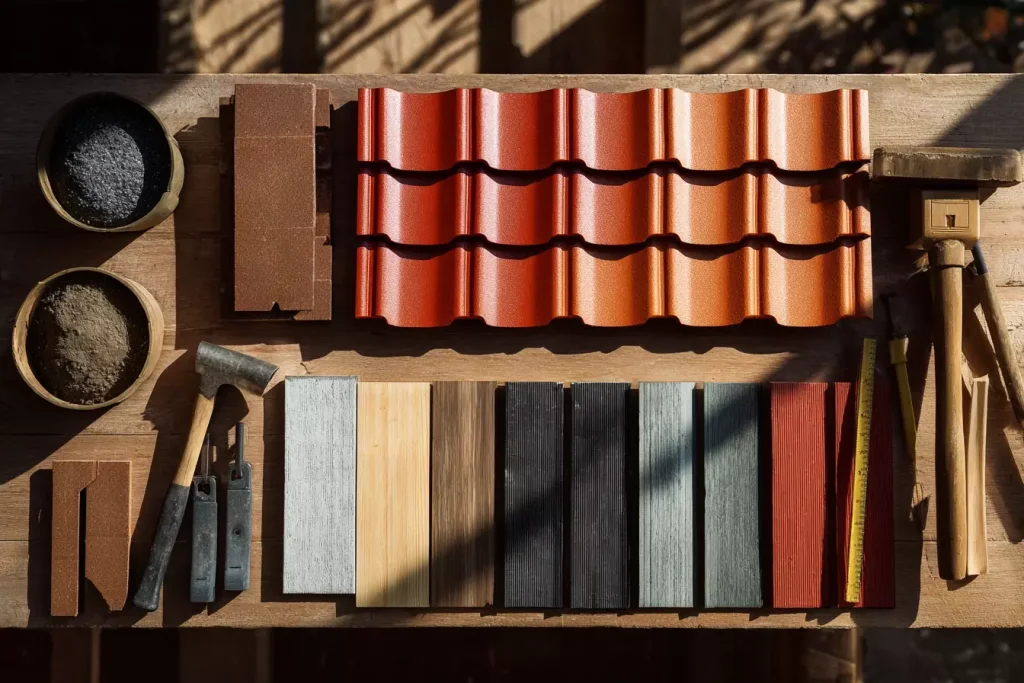
Reclaimed roof tiles represent a perfect blend of aesthetic appeal and environmental responsibility. By reusing existing materials, these tiles eliminate the carbon emissions associated with new production while often providing unique character to buildings.
Reclaimed Terracotta Tiles
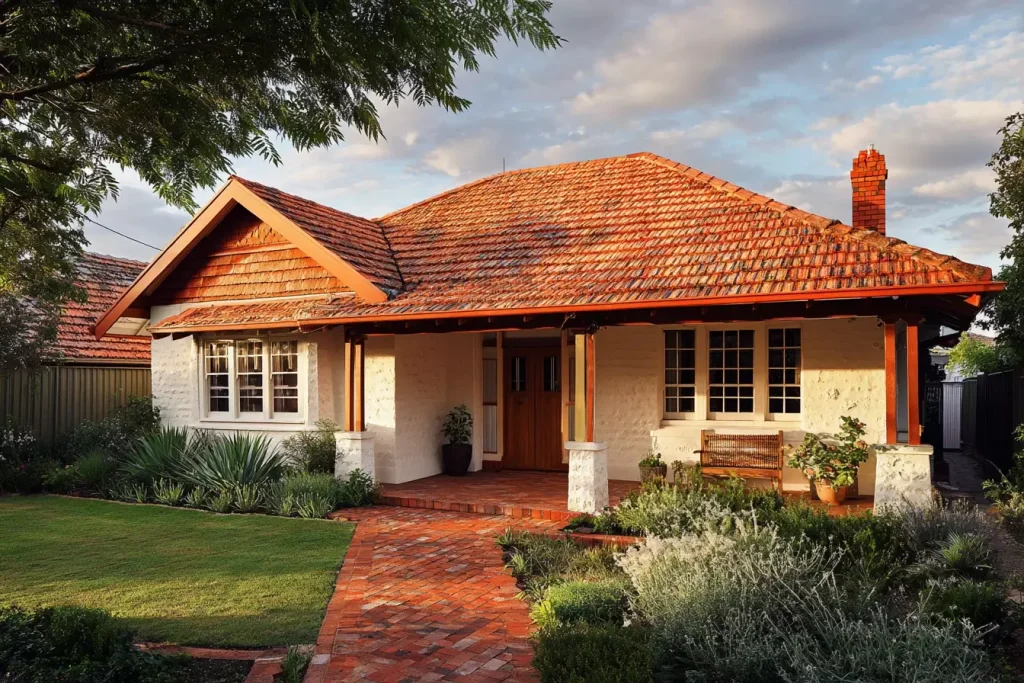
Terracotta tiles have adorned Australian roofs for generations, and reclaimed versions are increasingly available through specialized suppliers and salvage yards. These tiles develop a distinctive patina over time that new products cannot replicate, making them particularly valuable for heritage restorations and character homes.
From an environmental perspective, reclaimed terracotta tiles have near-zero embodied carbon when accounting only for cleaning, transportation, and installation. Their thermal mass properties also contribute to energy efficiency by moderating temperature fluctuations.
Reclaimed Concrete Tiles
Concrete tiles from demolition projects can be cleaned, refurbished, and reinstalled, diverting substantial waste from landfills. While not as common as reclaimed terracotta, these tiles offer significant environmental benefits when available.
The Green Building Council Australia recognizes the use of reclaimed materials in their Green Star rating system, providing additional incentives for incorporating these products into new construction and renovation projects.
Sourcing Tip: Establish relationships with demolition contractors and heritage restoration specialists to secure a reliable supply of quality reclaimed tiles. Always inspect reclaimed tiles thoroughly for damage and test a sample batch for water absorption rates before committing to a full roof installation.
Composite Plastic Shingles: Innovative Recycling Solutions
Composite shingles made from recycled plastics represent one of the most innovative developments in sustainable roofing. These products divert plastic waste from landfills and oceans while providing durable, lightweight roofing solutions.
Recycled Polymer Roofing
Made primarily from post-consumer plastics like milk jugs, detergent bottles, and agricultural plastics, these innovative materials can contain up to 95% recycled content. Manufacturers like Replas and Advanced Plastic Recycling are pioneering these solutions in Australia, creating products that mimic the appearance of slate or wood shakes.
The environmental benefits extend beyond waste diversion – these lightweight materials reduce transportation emissions and don’t require the heavy structural support needed for traditional tiles, further lowering the overall carbon footprint of the building.
Rubber-Based Composite Shingles
Recycled rubber from tires and other sources is being transformed into durable roofing products that offer excellent impact resistance – particularly valuable in hail-prone regions of Australia. These materials typically contain 70-90% recycled content and provide superior flexibility compared to rigid alternatives.
According to lifecycle assessments conducted by the Tyre Stewardship Australia, rubber-based roofing can divert significant waste from landfills while providing a product with exceptional durability and weather resistance.
4.2 Overall Sustainability Rating Recycled Content 4.8/5 Durability 4.0/5 End-of-Life Recyclability 3.5/5 Thermal Performance 4.5/5Sustainable Timber Roofing: Natural Carbon Storage
Timber roofing materials from responsibly managed sources offer unique sustainability benefits, as wood naturally sequesters carbon throughout its lifecycle. When sourced from FSC-certified plantations or salvaged from demolition projects, timber roofing can have a negative carbon footprint.
FSC-Certified Timber Shakes
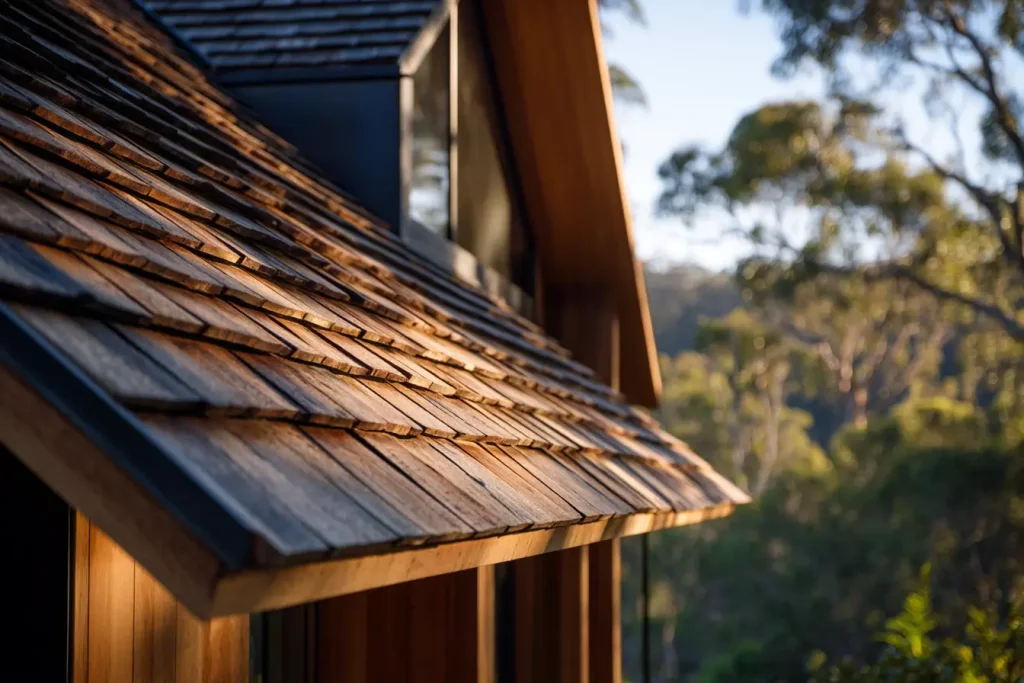
Timber shakes made from plantation waste or sustainably harvested timber provide excellent insulation properties while storing carbon for the duration of their use. The Forest Stewardship Council (FSC) certification ensures that timber comes from responsibly managed forests that provide environmental, social, and economic benefits.
These materials are particularly suitable for bushfire-prone areas when properly treated with fire retardants, offering a natural aesthetic that complements Australia’s landscape while providing good thermal performance.
Reclaimed Timber Roofing
Salvaged timber from demolition projects, old barns, and industrial buildings can be repurposed into distinctive roofing materials with minimal additional processing. This approach eliminates waste while preserving the unique character and patina that only comes with age.
The carbon footprint of reclaimed timber is exceptionally low, limited primarily to transportation and installation emissions. These materials can contribute to achieving credits under various Green Star rating categories, particularly those related to materials reuse and carbon reduction.
Bio-Based Membranes: Next-Generation Sustainability
Bio-based roofing membranes represent the cutting edge of sustainable roofing technology. Made from renewable resources like plant fibers, agricultural waste, and even fungal mycelium, these innovative materials offer promising alternatives to petroleum-based products.
Mycelium-Based Roofing
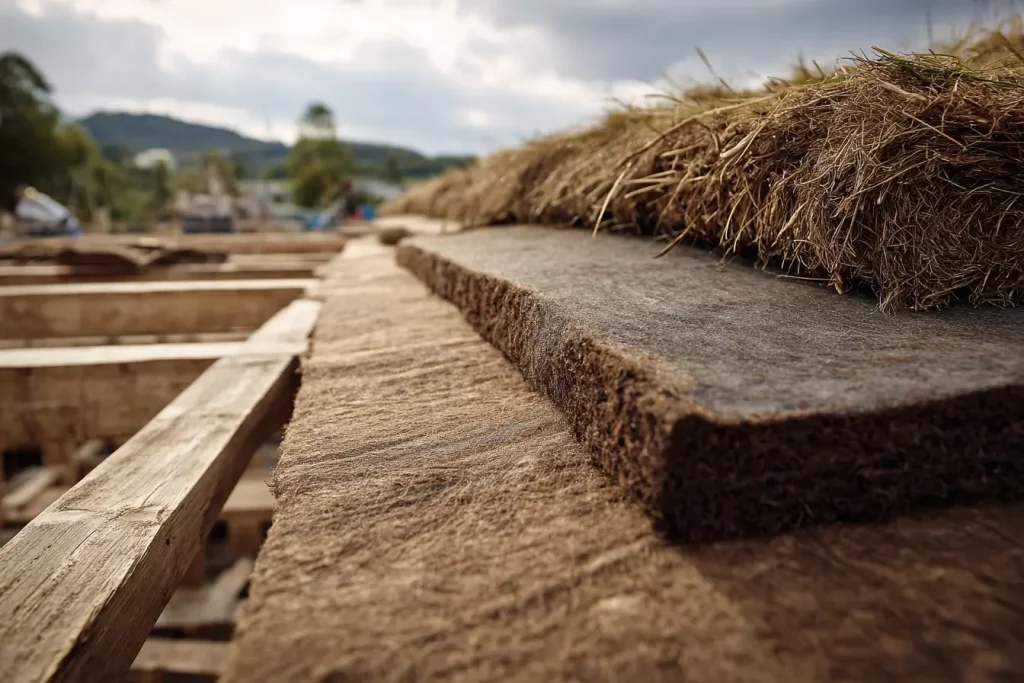
Still in the experimental phase but showing tremendous promise, mycelium (fungal root structure) can be grown on agricultural waste to create lightweight, insulating roofing panels. Australian researchers at RMIT University are pioneering these materials, which offer excellent thermal and acoustic properties while sequestering carbon during production.
These materials are fully biodegradable at end-of-life, creating a truly circular building material with minimal environmental impact. While currently limited to specialized applications, ongoing research suggests broader commercial availability in the near future.
Sugar-Cane Based Membranes
Utilizing waste from Australia’s sugar industry, these innovative membranes replace up to 60% of petroleum-based components with renewable bagasse fibers. The resulting product offers comparable performance to conventional membranes while significantly reducing the carbon footprint.
These materials are particularly suitable for flat or low-slope roofs and can be integrated with cool roof technologies to enhance energy efficiency. Their production supports regional agricultural economies while diverting waste from incineration.
Emerging Technology Note: Bio-based membranes are still evolving, with varying levels of commercial availability. When considering these options, request comprehensive performance data, warranty information, and installation guidelines to ensure they meet your specific project requirements.
Comparative Analysis of Recycled and Low-Carbon Roofing Materials
When selecting sustainable roofing materials, it’s essential to compare key performance metrics including recycled content, carbon footprint, durability, and cost. The following table provides a comprehensive comparison based on Environmental Product Declarations (EPDs) and lifecycle assessments.
| Material | Recycled Content | Carbon Footprint (kg CO₂-e/m²) | Expected Lifespan | Cost Range (AU$/m²) | Maintenance Requirements |
| Colorbond with Recycled Content | 25-30% | 12.8 | 40-70 years | $55-85 | Low |
| Recycled Aluminium Roofing | 70-95% | 8.2 | 50+ years | $90-120 | Very Low |
| Reclaimed Terracotta Tiles | 100% (reused) | 1.5 | 75+ years | $85-150 | Medium |
| Composite Plastic Shingles | 80-95% | 5.7 | 30-50 years | $70-110 | Low |
| FSC-Certified Timber Shakes | 0% (renewable) | -2.5 (carbon negative) | 25-40 years | $90-140 | High |
| Bio-Based Membranes | 60-80% (bio-content) | 3.8 | 20-30 years | $65-95 | Medium |
Data sources include manufacturer EPDs, ThinkStep-ANZ building LCA databases, and independent testing by the CSIRO. Carbon footprint values include raw material extraction, manufacturing, transportation, and end-of-life scenarios but exclude operational energy savings, which vary by climate zone and building design.
Certifications and Standards for Sustainable Roofing
Navigating the complex landscape of environmental certifications and building standards is crucial when selecting recycled and low-carbon roofing materials. Australia has developed robust frameworks to verify sustainability claims and ensure compliance with energy efficiency requirements.
Environmental Product Declarations (EPDs)
EPDs provide transparent, verified information about the environmental impact of products throughout their lifecycle. When comparing roofing materials, look for EPDs that conform to ISO 14025 standards and have been verified by reputable third parties like Global GreenTag or Good Environmental Choice Australia (GECA).
EPDs enable direct comparison of embodied carbon between different products and are increasingly required for projects seeking Green Star ratings. The International EPD System maintains a searchable database of verified declarations.
National Construction Code (NCC) 2022
The NCC 2022 Section J establishes minimum energy efficiency requirements for buildings, including provisions that impact roofing material selection. These requirements address thermal performance, solar absorptance, and insulation values.
Compliance with Section J is mandatory for new construction and major renovations. Low-carbon roofing materials often exceed these minimum requirements, particularly when combined with appropriate insulation and reflective coatings.
Green Star and NABERS Ratings
The Green Building Council of Australia’s Green Star rating system awards points for sustainable material choices, including those with recycled content, reduced embodied carbon, and responsible sourcing. Similarly, the National Australian Built Environment Rating System (NABERS) evaluates operational performance, which can be enhanced by appropriate roofing choices.
Projects targeting these ratings should document the environmental credentials of all roofing materials through EPDs and other recognized certifications.
Material-Specific Certifications
Beyond general environmental certifications, look for material-specific standards that verify sustainability claims:
- Responsible Steel Certification – Verifies sustainable production practices for steel products, including recycled content claims
- Forest Stewardship Council (FSC) – Ensures timber products come from responsibly managed forests
- Global Recycled Standard (GRS) – Tracks and verifies recycled content in manufactured products
- Cradle to Cradle Certification – Evaluates materials based on circular economy principles and safe chemistry
Step-by-Step Selection Workflow for Sustainable Roofing
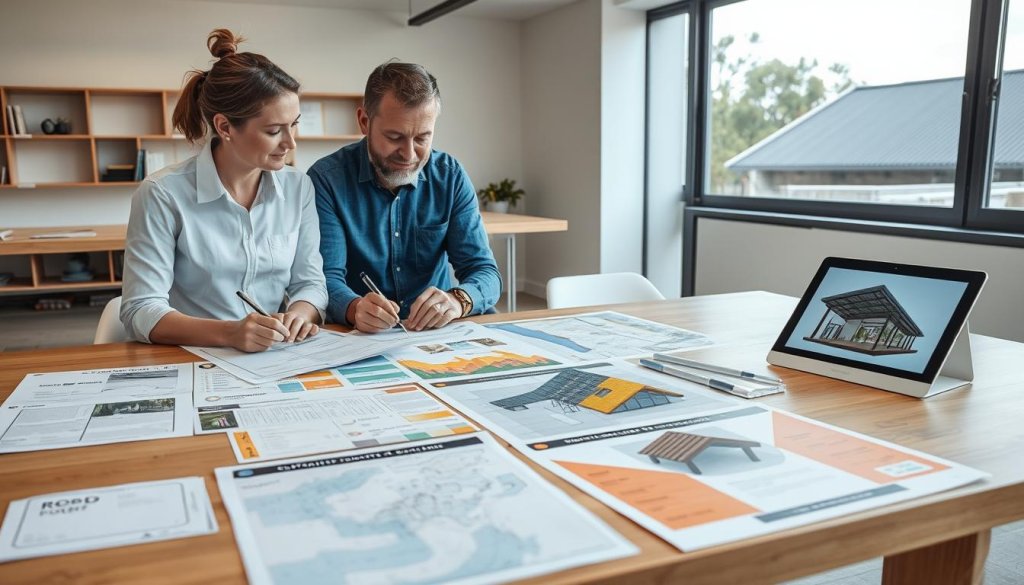
Choosing the right recycled or low-carbon roofing material involves careful consideration of multiple factors specific to your project. Follow this systematic approach to ensure you select the most appropriate sustainable roofing solution.
-
Assess Your Climate Zone
Australia’s diverse climate zones require different roofing approaches. Use the Your Home climate zone map to identify your region’s specific requirements:
- Hot humid zones (northern Australia): Prioritize high solar reflectance and ventilation
- Hot dry zones (central Australia): Look for materials with thermal mass and night-time heat release
- Temperate zones (coastal regions): Balance heating and cooling properties
- Cool temperate zones (southern highlands): Emphasize insulation and heat retention
-
Evaluate Structural Capacity
Different roofing materials have varying weights that impact structural requirements:
- Lightweight options (recycled metal, composite shingles): Suitable for most structures
- Medium-weight options (bio-based membranes): May require assessment for older buildings
- Heavy options (reclaimed tiles): Often require enhanced structural support
Consult a structural engineer to verify your building’s load capacity, particularly for renovations of older structures.
-
Calculate Embodied Carbon
Use tools like the Embodied Carbon in Construction Calculator (EC3) to compare the carbon footprint of different options. Consider:
- Manufacturing emissions (from EPDs)
- Transportation distance from source to site
- Installation requirements and associated emissions
- End-of-life scenarios and recyclability
-
Assess Local Availability and Supply Chain
Sourcing materials locally reduces transportation emissions and supports regional economies:
- Research local manufacturers and suppliers of recycled materials
- Investigate salvage yards and demolition projects for reclaimed options
- Consider lead times and availability to avoid project delays
-
Evaluate Lifecycle Costs and Benefits
Look beyond initial purchase price to consider:
- Installation costs and complexity
- Expected lifespan and warranty coverage
- Maintenance requirements and associated costs
- Energy savings from improved thermal performance
- End-of-life value or disposal costs
- Potential rebates or incentives for sustainable choices
This systematic approach ensures that your selection of recycled and low-carbon roofing materials aligns with both environmental goals and practical considerations. For complex projects, consider engaging a sustainability consultant with expertise in green roof design to guide the decision-making process.
Australian Case Studies: Successful Implementation
Examining real-world applications of recycled and low-carbon roofing materials provides valuable insights into their performance, challenges, and benefits. The following case studies showcase successful implementations across different Australian contexts.
Case Study 1: Coastal Residence, Byron Bay
Project Overview:
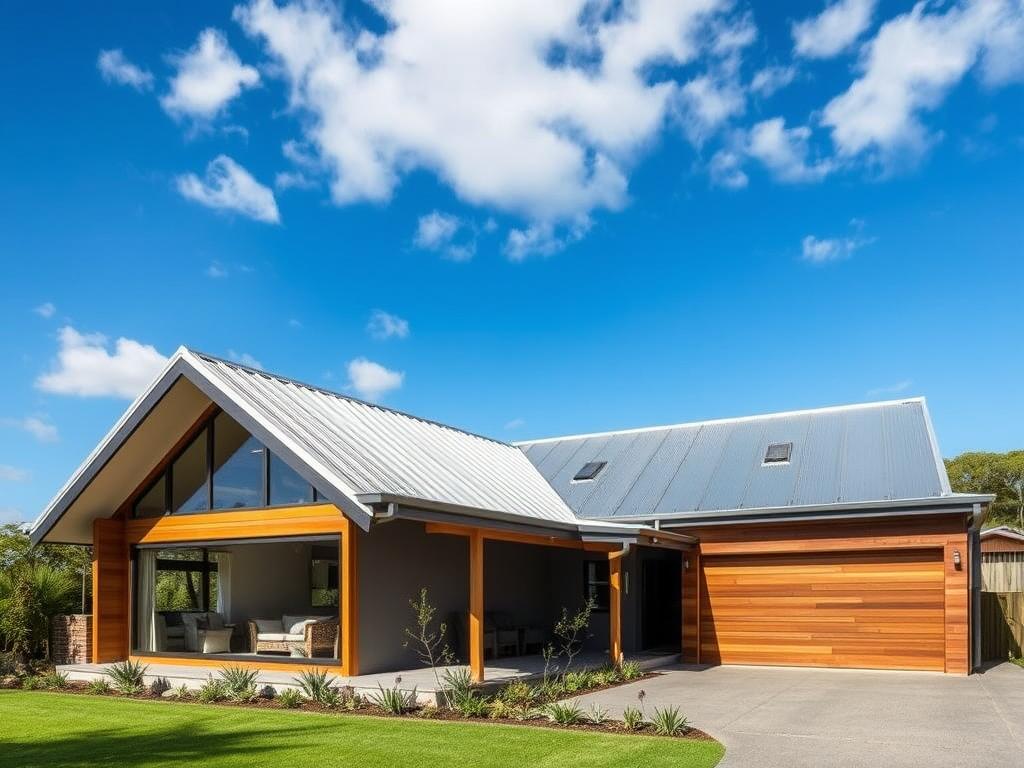
This award-winning residence utilized 95% recycled aluminium roofing to address the corrosive coastal environment while minimizing environmental impact. The project team worked with local suppliers to source materials with verified Environmental Product Declarations.
Carbon Reduction Achieved:
Compared to conventional roofing options, the project reduced embodied carbon by approximately 11.2 tonnes CO₂-e, equivalent to taking 2.4 cars off the road for a year. The high solar reflectance of the aluminum roofing also contributed to a 28% reduction in cooling energy requirements.
Challenges and Solutions:
The initial cost premium of 15% was offset by energy savings and durability benefits. The design team overcame potential acoustic issues from rain impact by incorporating a specialized underlayment system that significantly reduced noise transmission.
Case Study 2: Commercial Retrofit, Melbourne
Project Overview:
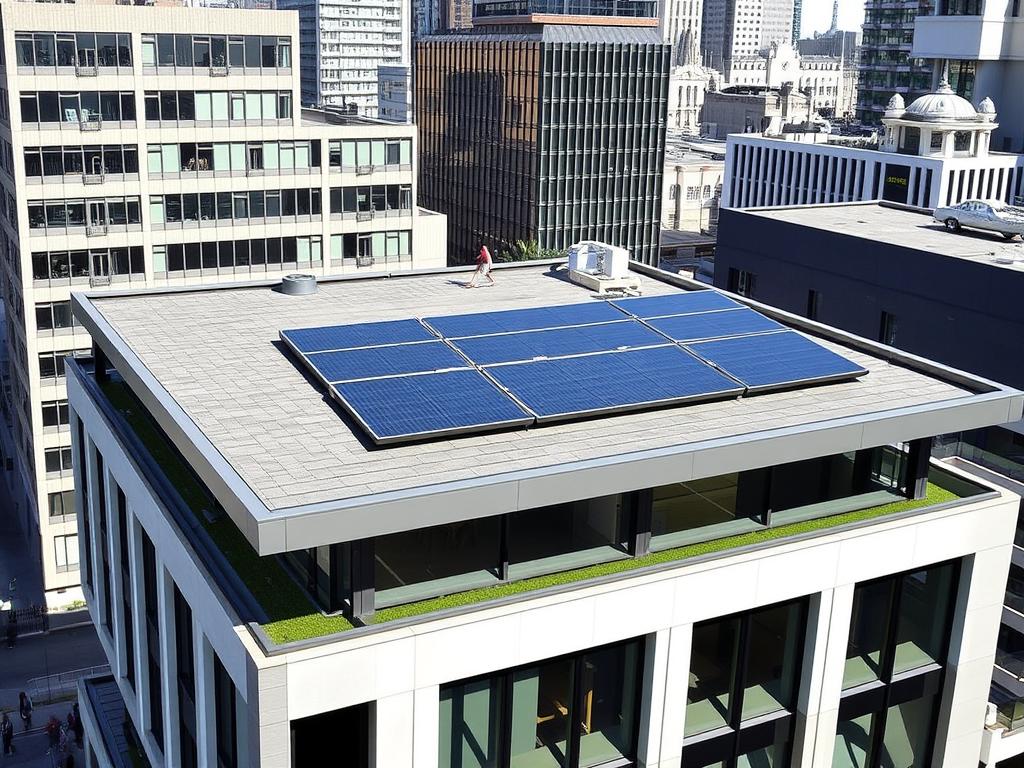
This 2023 retrofit project transformed a 1980s office building with a combination of recycled rubber composite roofing and integrated photovoltaic panels. The project team prioritized materials with high recycled content that could be installed without disrupting building operations.
Carbon Reduction Achieved:
The project achieved a 68% reduction in embodied carbon compared to conventional reroofing options. The improved thermal performance contributed to a 32% decrease in HVAC energy consumption, helping the building achieve a 5-star NABERS Energy rating.
Challenges and Solutions:
Weight limitations of the existing structure required careful material selection. The team opted for lightweight composite shingles made from 90% recycled materials, eliminating the need for structural reinforcement while still providing excellent durability and weather resistance.
“The performance of recycled roofing materials has exceeded our expectations in terms of both environmental benefits and practical durability. Our clients are increasingly recognizing that sustainable choices don’t require compromising on quality or aesthetics.”
— Sarah Chen, Director, Sustainable Building Design Australia
These case studies demonstrate that recycled and low-carbon roofing materials can successfully meet the diverse requirements of Australian buildings while delivering significant environmental benefits. The lessons learned from these projects provide valuable guidance for future implementations across different climate zones and building types.
Maintenance and Longevity Considerations
Maximizing the lifespan of recycled and low-carbon roofing materials is essential to optimize their environmental benefits. Proper maintenance not only extends durability but also preserves performance characteristics that contribute to energy efficiency and carbon reduction.
Material-Specific Maintenance Requirements
| Material Type | Inspection Frequency | Cleaning Requirements | Common Issues | Preventative Measures |
| Recycled Metal Roofing | Annual | Gentle washing with soft brush and mild detergent; avoid pressure washing | Fastener corrosion, surface scratches | Use compatible fasteners; apply touch-up coating to scratches |
| Reclaimed Tiles | Bi-annual | Gentle removal of moss/algae; avoid harsh chemicals | Cracked tiles, mortar deterioration | Keep spare matching tiles; repoint mortar as needed |
| Composite Shingles | Annual | Soft washing with biodegradable cleaner | UV degradation, warping | Apply UV-protective coating every 7-10 years |
| Timber Shakes | Quarterly | Gentle brushing to remove debris; avoid power washing | Rot, insect damage, splitting | Regular application of preservative treatments |
| Bio-Based Membranes | Bi-annual | Gentle washing to remove debris; avoid petroleum-based cleaners | Seam separation, punctures | Maintain protective coatings; repair minor damage promptly |
Extending Lifespan Through Proper Maintenance
Regular maintenance can significantly extend the lifespan of sustainable roofing materials, maximizing their environmental benefits. Consider implementing a comprehensive roof restoration program that includes:
- Scheduled Inspections: Establish a regular inspection schedule based on material type and local climate conditions
- Gutter Maintenance: Keep gutters and drainage systems clear to prevent water damage and extend roof lifespan
- Vegetation Management: Trim overhanging branches and remove leaf litter to prevent moisture retention and physical damage
- Professional Assessments: Engage qualified roofing professionals for detailed inspections every 3-5 years
- Documentation: Maintain records of all inspections, maintenance activities, and repairs for warranty purposes
Compatibility Note: When performing repairs or maintenance on recycled and low-carbon roofing materials, always use compatible products recommended by the manufacturer. Conventional roofing sealants or coatings may contain chemicals that can degrade certain sustainable materials or compromise their environmental benefits.
ROI and Payback Analysis
While recycled and low-carbon roofing materials often have higher upfront costs than conventional alternatives, they typically offer superior return on investment when considering their full lifecycle. This analysis examines the financial benefits of sustainable roofing choices.
Energy Savings
Many recycled and low-carbon roofing materials offer superior thermal performance compared to conventional options. According to Australian Department of Energy studies, reflective metal roofing can reduce cooling costs by 15-25% in hot climates, while well-insulated composite materials can reduce heat loss in cooler regions.
For a typical Australian home of 250m², these energy savings can translate to $300-600 annually, depending on climate zone and energy prices. Over a 30-year period, the present value of these savings (at a 5% discount rate) ranges from $4,600 to $9,200.
Maintenance and Replacement Savings
The extended lifespan of many sustainable roofing materials reduces the frequency of repairs and replacements. For example, recycled metal roofing with a 50-year lifespan eliminates at least one complete roof replacement compared to conventional asphalt shingles (20-25 year lifespan).
The avoided cost of a full roof replacement (approximately $15,000-25,000 for a medium-sized home) represents significant savings when calculated on a lifecycle basis. Additionally, many recycled materials require less frequent maintenance, further reducing ongoing costs.
Property Value Enhancement
Research by the Real Estate Institute of Australia indicates that homes with sustainable features, including eco-friendly roofing, command a premium of 3-7% in the Australian market. For a $750,000 property, this represents an additional $22,500-52,500 in resale value.
This premium is particularly pronounced in markets with environmentally conscious buyers, such as inner-city areas and coastal communities where sustainability is increasingly valued.
Carbon Credits and Incentives
Some sustainable roofing projects may qualify for carbon credits or government incentives. Under various state schemes, buildings that demonstrate significant carbon reductions can generate tradable certificates or qualify for grants.
For commercial projects, the Emissions Reduction Fund provides opportunities to earn Australian Carbon Credit Units (ACCUs) for verified emissions reductions, which can be sold to generate additional revenue.
How long does it take for recycled metal roofing to pay for itself?
The payback period for recycled metal roofing typically ranges from 7-12 years, depending on your climate zone, energy costs, and the specific product chosen. In hot climates where cooling costs are significant, the payback period tends to be shorter due to greater energy savings. When factoring in avoided replacement costs and potential property value increases, the financial case becomes even stronger over the full lifecycle.
Are there government rebates available for sustainable roofing in Australia?
Yes, several rebate programs exist at state and local levels. For example, some local councils offer sustainable building rebates that can apply to eco-friendly roofing. Additionally, the Small-scale Renewable Energy Scheme (SRES) provides financial incentives for roofing projects that incorporate solar panels. Check with your local council and state government for current programs, as these change periodically.
How durable are composite shingles made from recycled plastics?
Modern composite shingles made from recycled plastics typically offer warranties of 30-50 years, comparable to many premium conventional materials. They are engineered to resist impact damage, UV degradation, and moisture penetration. Their performance in Australian conditions has been validated through accelerated weathering tests conducted by CSIRO and other testing authorities. The key to maximizing durability is proper installation and regular maintenance.
Can recycled roofing materials withstand extreme weather conditions?
Yes, many recycled and low-carbon roofing materials are specifically engineered for resilience in extreme conditions. Recycled metal roofing offers excellent wind resistance (rated for cyclonic conditions when properly installed) and non-combustibility for bushfire zones. Composite materials often provide superior impact resistance for hail-prone regions. When selecting materials for extreme weather zones, look for specific ratings and certifications relevant to your local conditions.
What is the carbon payback period for sustainable roofing materials?
The carbon payback period—the time required for operational carbon savings to offset the embodied carbon of production—varies by material. For recycled metal roofing, this period is typically 1-3 years in hot climates where cooling energy is significantly reduced. For materials like FSC-certified timber shakes, which sequester carbon, the payback is immediate as they start with a negative carbon balance. Bio-based materials generally have payback periods of 2-5 years, depending on the specific formulation and manufacturing process.
Conclusion: Building a Sustainable Future
The transition to recycled and low‑carbon roofing materials Australia represents a significant opportunity to reduce the environmental impact of our built environment while creating more resilient, energy-efficient buildings. By carefully selecting materials that align with your specific project requirements, climate conditions, and sustainability goals, you can make a meaningful contribution to reducing embodied carbon while potentially enhancing property value and reducing operational costs.
As this guide has demonstrated, the Australian market now offers a diverse range of sustainable roofing options—from recycled metal and reclaimed tiles to innovative composites and bio-based materials. Each option presents unique advantages and considerations, but all contribute to the broader goal of creating a more circular, low-carbon construction industry.
Whether you’re a homeowner planning a renovation, an architect designing a new building, or a contractor expanding your sustainable product offerings, embracing these materials represents an investment in both environmental responsibility and long-term value.
Ready to Explore Sustainable Roofing Options?
Our team of sustainability experts can help you navigate the selection process and find the perfect recycled or low-carbon roofing solution for your specific project. Book a consultation today or download our comprehensive comparison sheet to continue your research.
Book a Sustainable Roofing Consultation
Download Recycled Materials Comparison Sheet
🏠 Best Roofing Materials for Australian Homes
Read More »Roofing Aesthetics & Colour Trends in Australia: 2025 Style Guide
Read More »Digital Tools & Drone Technology in Australian Roofing: 2025 Field Guide
Read More »At Roofs.com.au, we are dedicated to providing top-quality roofing services across Australia. With years of experience in the roofing industry, we have earned a reputation for delivering reliable, efficient, and high-quality roofing solutions.
Navigation
Get in Touch
We’d love to hear from you! Whether you need a roof inspection, a free quote, or emergency roof repairs, our team is ready to assist you. Please visit our Contact Page to get in touch with us.
Contact Us Copyright © Roofs.com.au. All Rights Reserved.Roofs.com.au
REQUEST A QUOTE
At Roofs.com.au, we take pride in being responsive, reliable, and ready to solve all your roofing needs. Simply complete the form & one of our team member will be in contact with you shortly.
Request a QuoteRoofs.com.au
Submit your interest
Submit your interest using the form below. We will review your details and get back to you.
Images on This Page
-
https://roofs.com.au/wp-content/uploads/2025/05/roofs.com_.au-logo.png
(no alt text)
-
https://roofs.com.au/wp-content/uploads/2025/07/image-74-1024x683.webp
(no alt text)
-
https://roofs.com.au/wp-content/uploads/2025/07/image-75-1024x683.webp
(no alt text)
-
https://roofs.com.au/wp-content/uploads/2025/07/Composite-plastic-shingles-made-from-recycled-materials-being-installed-on-an-Australian.jpeg
Composite plastic shingles made from recycled materials being installed on an Australian residential roof
-
https://roofs.com.au/wp-content/uploads/2025/07/image-76-1024x683.webp
(no alt text)
-
https://roofs.com.au/wp-content/uploads/2025/07/image-77-1024x683.webp
(no alt text)
-
https://roofs.com.au/wp-content/uploads/2025/07/image-78-1024x683.webp
(no alt text)
-
https://roofs.com.au/wp-content/uploads/2025/07/image-79-1024x683.webp
(no alt text)
-
https://roofs.com.au/wp-content/uploads/2025/07/Architect-and-client-reviewing-sustainable-roofing-material-samples-and-documentation-for-an-1024x585.jpeg
Architect and client reviewing sustainable roofing material samples and documentation for an Australian project
-
https://roofs.com.au/wp-content/uploads/2025/07/Modern-coastal-home-in-Byron-Bay-with-recycled-aluminium-roofing-reflecting-the-Australian.jpeg
Modern coastal home in Byron Bay with recycled aluminium roofing reflecting the Australian sunshine
-
https://roofs.com.au/wp-content/uploads/2025/07/Commercial-building-in-Melbourne-with-recycled-composite-shingles-and-integrated-solar-panels.jpeg
Commercial building in Melbourne with recycled composite shingles and integrated solar panels
-
https://roofs.com.au/wp-content/uploads/2025/07/Maintenance-worker-inspecting-and-cleaning-recycled-metal-roofing-on-an-Australian-commercial.jpeg
Maintenance worker inspecting and cleaning recycled metal roofing on an Australian commercial building
-
https://roofs.com.au/wp-content/uploads/2025/07/image-80-1024x683.webp
(no alt text)
-
https://roofs.com.au/wp-content/uploads/2025/05/Why-Choose-Us.jpeg
(no alt text)
-
https://roofs.com.au/wp-content/uploads/2025/07/Modern-Australian-home-featuring-contemporary-roofing-aesthetics-and-colour-trends-Australia.jpeg
Modern Australian home featuring contemporary roofing aesthetics and colour trends Australia
-
https://roofs.com.au/wp-content/uploads/2025/07/image-19.webp
(no alt text)
-
https://roofs.com.au/wp-content/uploads/2024/07/roofs.com_.au-logo-2.png
(no alt text)