Cyclone-Resistant Roofing: Design and Material Tips for Northern Australia
- December 18, 2025
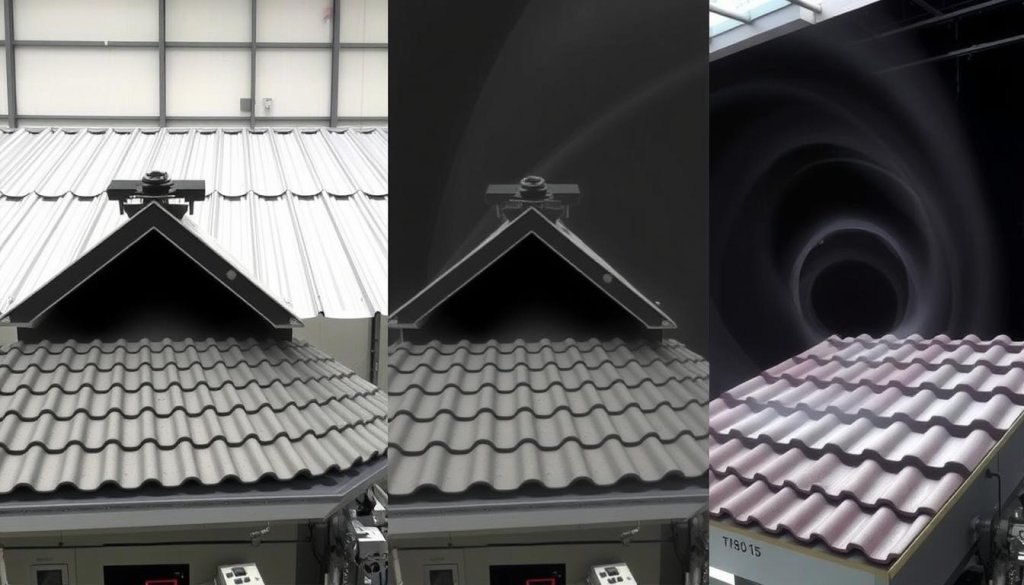
In Northern Australia, your roof is your home’s first line of defense against cyclones that can bring devastating winds exceeding 250 km/h. With approximately 10-13 tropical cyclones forming in Australian waters each year, having a cyclone-resistant roof isn’t just a building requirement—it’s essential for protecting your family and property. This comprehensive guide explores the critical design principles, materials, and installation techniques that can help your roof withstand even the most severe tropical cyclones.
Key Design Principles for Cyclone-Resistant Roofs
The shape, pitch, and structural connections of your roof play crucial roles in its ability to withstand cyclonic forces. These design elements work together to create a roofing system that can resist both upward lift and lateral pressure during extreme weather events.
Optimal Roof Shapes and Pitches
Research from James Cook University’s Cyclone Testing Station shows that certain roof configurations perform significantly better during cyclones. Hip roofs (sloped on all four sides) demonstrate superior wind resistance compared to gable roofs (two-sided).
Hip roofs distribute wind forces more evenly, reducing uplift pressure
Recommended Roof Characteristics:
- Hip roof design (sloped on all four sides)
- Moderate pitch between 15° and 30°
- Limited roof overhangs (300mm maximum)
- Avoid complex designs with multiple valleys
- Simplified roof lines without unnecessary protrusions
Critical Structural Connections
During a cyclone, the entire roof system must function as a unified structure. The Australian Building Codes Board identifies connection failures as the primary cause of roof loss during cyclones.
Australian Standard Compliance: All roofing in cyclone-prone regions must comply with AS 4055 (Wind Loads for Housing) and AS 1170.2 (Structural Design Actions – Wind Actions). These standards specify the minimum requirements for structural connections based on your location’s wind classification.
Essential Connection Points:
- Roof covering to battens
- Battens to rafters/trusses
- Rafters/trusses to wall frames
- Wall frames to foundations
Cyclone ties and straps create a continuous load path from roof to foundation
Recommended Roofing Materials for Cyclone Regions
The material covering your roof significantly impacts its cyclone resistance. Northern Australia’s harsh climate demands materials that can withstand not only extreme winds but also intense heat, heavy rainfall, and potential impacts from flying debris.
Metal Roofing Systems
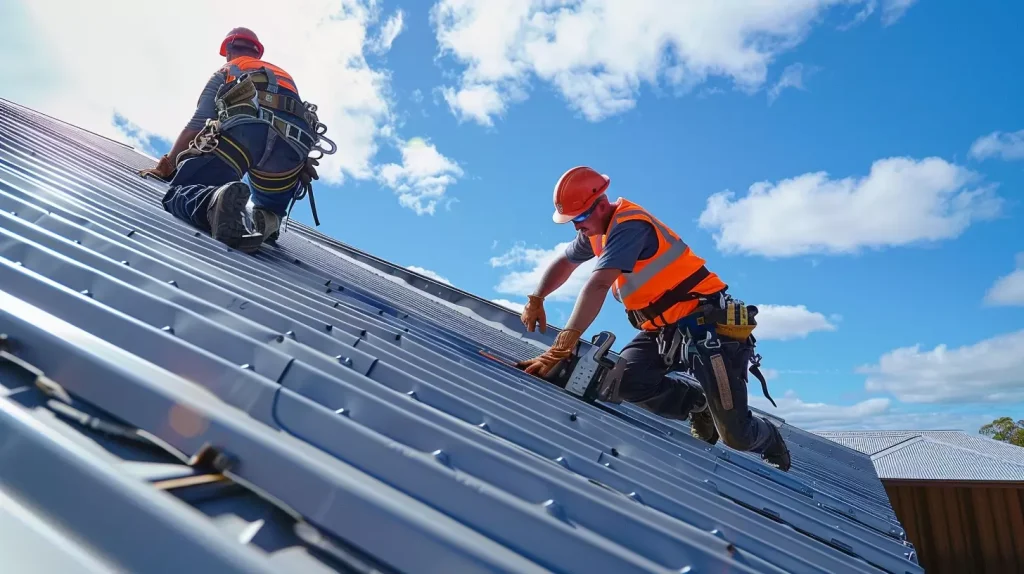
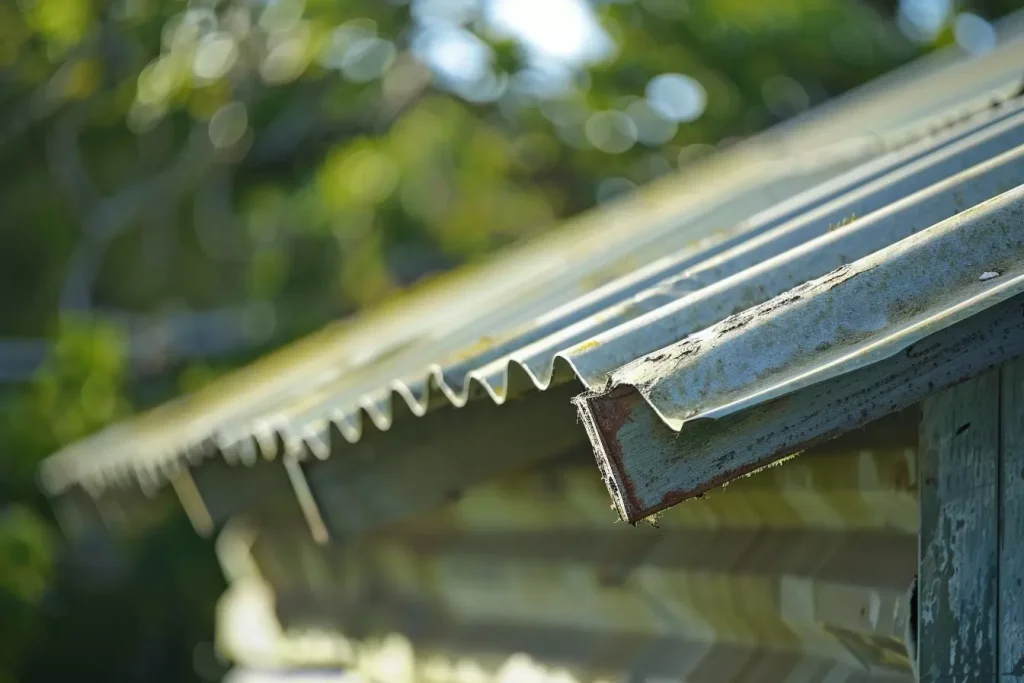
Metal roofing, particularly corrugated steel and Colorbond®, has become the gold standard for cyclone-prone regions in Northern Australia. These systems can withstand wind speeds up to 257 km/h when properly installed.
Advantages of Metal Roofing
- Superior wind resistance with fewer lifting points
- Lightweight, reducing structural load requirements
- Excellent water shedding capabilities
- Long lifespan (30-50 years) with proper maintenance
- Fire resistant (important for combined cyclone/bushfire zones)
- Available in cyclone-rated profiles specifically designed for high-wind regions
Limitations of Metal Roofing
- Can be noisy during heavy rainfall without proper insulation
- May dent from large hail or flying debris
- Requires professional installation with cyclone-rated fasteners
- Higher initial cost compared to basic roofing options
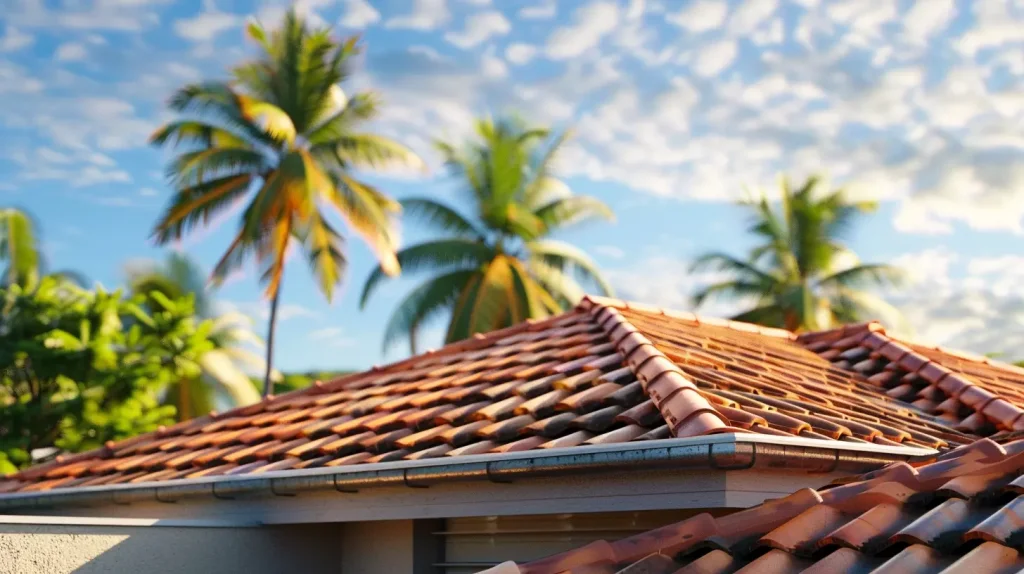
Concrete and Terracotta Tiles
While traditionally popular in Australia, tile roofing requires specific cyclone-rated systems and installation techniques to perform well in high-wind regions.
Advantages of Tile Roofing
- Good thermal mass properties (cooler in hot climates)
- Can withstand winds up to 200 km/h with cyclone-rated systems
- Individual tiles can be replaced if damaged
- Excellent acoustic insulation
- Traditional aesthetic appeal
Limitations of Tile Roofing
- Heavier weight requires stronger structural support
- More vulnerable to lifting in extreme winds
- Individual tiles can crack from impact
- Requires specialized cyclone clips and installation
- Not recommended for Category 4-5 cyclone regions
Specialized Cyclone-Resistant Systems
Several innovative roofing systems have been specifically engineered for cyclone regions, combining the benefits of different materials with advanced fastening technologies.
| System Type | Wind Rating | Key Features | Best Application |
| Structural Insulated Panels | Up to 290 km/h | Integrated insulation, fewer seams, structural rigidity | New construction in Category 5 cyclone zones |
| Composite Metal Systems | Up to 270 km/h | Reinforced edges, interlocking panels, hidden fasteners | Coastal properties with salt exposure |
| High-Tensile Standing Seam | Up to 260 km/h | No exposed fasteners, continuous panels, clip system | Low-pitch roofs in high-wind areas |
Not Sure Which Roofing Material Is Right For Your Home?
Our cyclone roofing specialists can assess your specific location, building structure, and budget to recommend the optimal roofing solution for your Northern Australian home.
Installation Techniques and Australian Standards
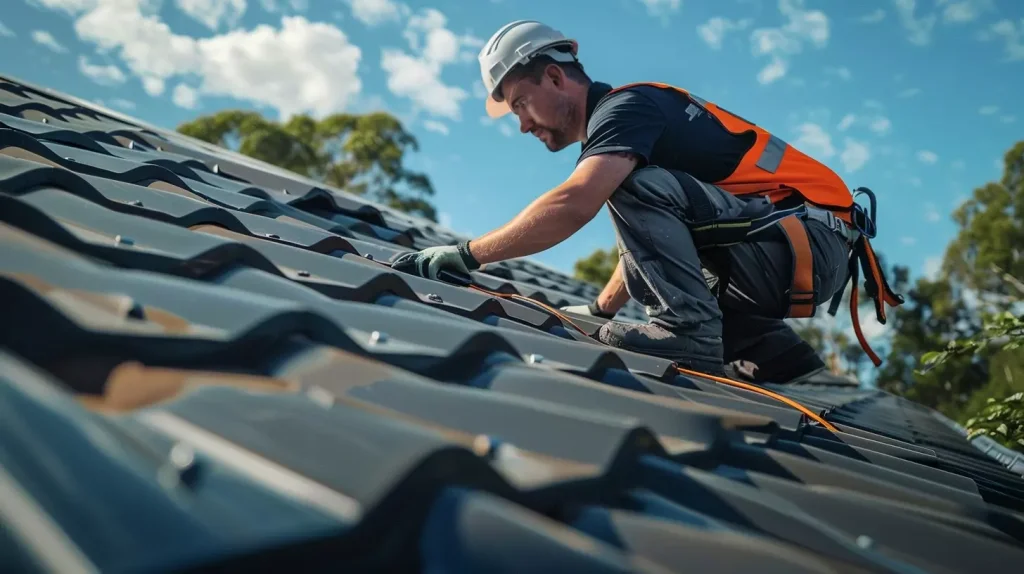
Even the highest-quality cyclone-resistant roofing materials can fail if not installed correctly. Proper installation according to Australian standards is critical for ensuring your roof performs as expected during severe weather events.
Australian Building Codes and Standards
All roofing in cyclone-prone regions must comply with specific Australian standards that dictate design, materials, and installation requirements.
Key Australian Standards for Cyclone-Resistant Roofing:
- AS 4055: Wind Loads for Housing – Classifies your property’s wind rating from N1 (least severe) to C4 (most severe)
- AS 1170.2: Structural Design Actions – Wind Actions – Provides detailed calculations for wind loads
- AS 1562.1: Design and Installation of Sheet Roof and Wall Cladding
- AS 2050: Installation of Roof Tiles
- AS 3959: Construction of Buildings in Bushfire-Prone Areas (relevant for combined threats)
Critical Installation Factors
Research from the Cyclone Testing Station at James Cook University identifies several installation factors that significantly impact a roof’s cyclone resistance.
Essential Installation Requirements:
- Fastener Selection: Use only cyclone-rated screws with proper pull-out resistance
- Fastener Spacing: Closer spacing at roof edges and ridges where wind forces are strongest
- Batten Spacing: Reduced spacing in high-wind zones (typically 600mm maximum)
- Sarking Installation: Heavy-duty, correctly lapped and sealed roof sarking
- Flashing Details: Reinforced, properly sealed flashings at all roof penetrations
Warning: DIY installation of cyclone-resistant roofing is not recommended and may void warranties and insurance coverage. Always use licensed professionals with experience in cyclone-zone installations who understand local wind classifications and building codes.
Maintenance Tips for Ongoing Cyclone Resistance
Even the most robust cyclone-resistant roof requires regular maintenance to ensure it continues performing as designed. Establishing a maintenance routine before cyclone season is essential for Northern Australian homeowners.
Pre-Cyclone Season Checklist
The Bureau of Meteorology defines the official cyclone season in Northern Australia as November to April. Complete this maintenance checklist at least one month before the season begins.
Essential Pre-Cyclone Roof Maintenance:
- Inspect all fasteners for signs of corrosion or loosening
- Check roof sheets or tiles for damage, lifting, or displacement
- Clear gutters and downpipes to ensure proper water drainage
- Trim overhanging branches that could damage roofing during high winds
- Examine roof flashings around chimneys, vents, and other penetrations
- Check the ceiling cavity for signs of water ingress or structural issues
- Secure or remove loose items from around your property
Signs Your Roof Needs Professional Attention
Some warning signs indicate your roof may need professional assessment before it can be considered cyclone-ready.
Watch for These Warning Signs:
- Visible rust or corrosion on metal components
- Loose, cracked, or missing tiles
- Damaged ridge capping or flashings
- Water stains on ceilings or in roof cavity
- Visible light through the roof when in the attic
- Excessive debris accumulation in gutters
- Sagging roof sections
Call for Emergency Roof Inspection: (07) 5555 5555
Cost Considerations and Insurance Benefits
Investing in cyclone-resistant roofing involves upfront costs, but these must be weighed against the potential savings from prevented damage, reduced insurance premiums, and increased property value.
Investment Analysis
The cost of upgrading to cyclone-resistant roofing varies based on materials, home size, and your specific wind classification zone.
| Roofing System | Average Cost (per m²) | Lifespan | Cyclone Rating |
| Standard Colorbond® | $75-$120 | 30-50 years | Up to Category 3 |
| Cyclone-Rated Metal System | $130-$180 | 40-50 years | Up to Category 5 |
| Concrete Tiles with Cyclone Clips | $90-$150 | 30-40 years | Up to Category 3 |
| Specialized Composite Systems | $160-$250 | 40-60 years | Up to Category 5 |
“The upfront investment in cyclone-resistant roofing typically pays for itself after just one major weather event. When you factor in potential insurance savings of 15-25%, the long-term economics strongly favor proper cyclone preparation.”
— Dr. David Henderson, Cyclone Testing Station, James Cook University
Insurance Benefits
Many insurance providers offer significant premium discounts for homes with certified cyclone-resistant roofing systems, recognizing the reduced risk of claims.
Potential Insurance Advantages:
- Premium reductions of 15-25% with proper certification
- Lower excess/deductible for storm damage claims
- Faster claims processing with documented cyclone preparation
- Possible coverage for previously excluded wind damage
- Qualification for specialized cyclone insurance products
Government Assistance: The Queensland Government’s Household Resilience Program periodically offers rebates of up to $11,250 for eligible homeowners upgrading to cyclone-resistant roofing. Check with your local council about current availability and similar programs in your region.
Northern Australian Case Studies
The real-world performance of cyclone-resistant roofing systems during actual cyclones provides valuable insights for Northern Australian homeowners.
Darwin: Cyclone Marcus (2018)
When Category 2 Cyclone Marcus hit Darwin in March 2018 with wind gusts up to 130 km/h, homes with cyclone-rated metal roofing systems showed significantly less damage than those with standard roofing.
“After losing our roof during Cyclone Tracy in 1974, we invested in a cyclone-rated Colorbond® system when we rebuilt. During Cyclone Marcus, our roof didn’t sustain any damage while several of our neighbors experienced significant problems. The peace of mind alone has been worth the investment.”
— Robert Winters, Darwin resident
Townsville: Cyclone Debbie (2017)
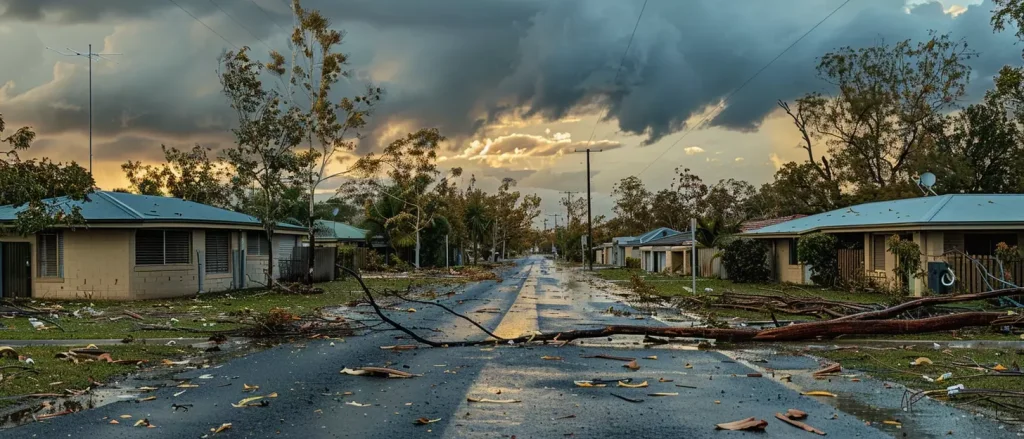
Category 4 Cyclone Debbie caused over $1.7 billion in damage across Queensland. A post-cyclone assessment by James Cook University found that homes with properly installed cyclone-resistant roofing were 3-4 times less likely to suffer major structural damage.
Key Findings from Cyclone Debbie:
- Homes built to post-1980s cyclone standards performed significantly better
- Metal roofing with proper cyclone fasteners showed superior performance
- Roof failures typically began at edges and corners where wind forces concentrate
- Homes with regular maintenance had fewer instances of water ingress
- Properties with trimmed trees suffered less collateral damage
Protecting Your Northern Australian Home
Investing in cyclone-resistant roofing is one of the most important steps you can take to protect your Northern Australian home. By combining proper design principles, quality materials, professional installation, and regular maintenance, you can significantly reduce your risk of catastrophic damage during cyclone season.
Ready to Cyclone-Proof Your Roof?
Our team of Northern Australian roofing specialists can assess your current roof’s cyclone readiness and provide expert recommendations tailored to your specific location, building type, and budget.
Call (07) 5555 5555
Request a Free Roof Assessment
Colorbond vs. Terracotta vs. Slate: Which Roof Material Suits Your Climate?
Read More »Cool Roofs in Australian Climates: Do High-Reflectance Coatings Pay Off?
Read More »Summer vs Winter Roof Care: Essential Seasonal Maintenance Guide
Read More »At Roofs.com.au, we are dedicated to providing top-quality roofing services across Australia. With years of experience in the roofing industry, we have earned a reputation for delivering reliable, efficient, and high-quality roofing solutions.
Navigation
Get in Touch
We’d love to hear from you! Whether you need a roof inspection, a free quote, or emergency roof repairs, our team is ready to assist you. Please visit our Contact Page to get in touch with us.
Contact Us Copyright © Roofs.com.au. All Rights Reserved.Roofs.com.au
REQUEST A QUOTE
At Roofs.com.au, we take pride in being responsive, reliable, and ready to solve all your roofing needs. Simply complete the form & one of our team member will be in contact with you shortly.
Request a QuoteRoofs.com.au
Submit your interest
Submit your interest using the form below. We will review your details and get back to you.
Images on This Page
-
https://roofs.com.au/wp-content/uploads/2025/05/roofs.com_.au-logo.png
(no alt text)
-
https://roofs.com.au/wp-content/uploads/2025/12/Comparison-of-different-cyclone-resistant-roofing-materials-being-tested-in-high-wind-1024x585.jpeg
Comparison of different cyclone-resistant roofing materials being tested in high wind conditions
-
https://roofs.com.au/wp-content/uploads/2025/12/image-13-1024x574.webp
(no alt text)
-
https://roofs.com.au/wp-content/uploads/2025/12/image-14-1024x574.webp
(no alt text)
-
https://roofs.com.au/wp-content/uploads/2025/12/image-15-1024x574.webp
(no alt text)
-
https://roofs.com.au/wp-content/uploads/2025/12/image-16-1024x683.webp
(no alt text)
-
https://roofs.com.au/wp-content/uploads/2025/12/image-17-1024x574.webp
(no alt text)
-
https://roofs.com.au/wp-content/uploads/2025/12/image-18-1024x439.webp
(no alt text)
-
https://roofs.com.au/wp-content/uploads/2025/06/roof-in-different-weather.jpeg
roof in different weather
-
https://roofs.com.au/wp-content/uploads/2025/09/image-27.webp
(no alt text)
-
https://roofs.com.au/wp-content/uploads/2025/10/image.webp
(no alt text)
-
https://roofs.com.au/wp-content/uploads/2024/07/roofs.com_.au-logo-2.png
(no alt text)