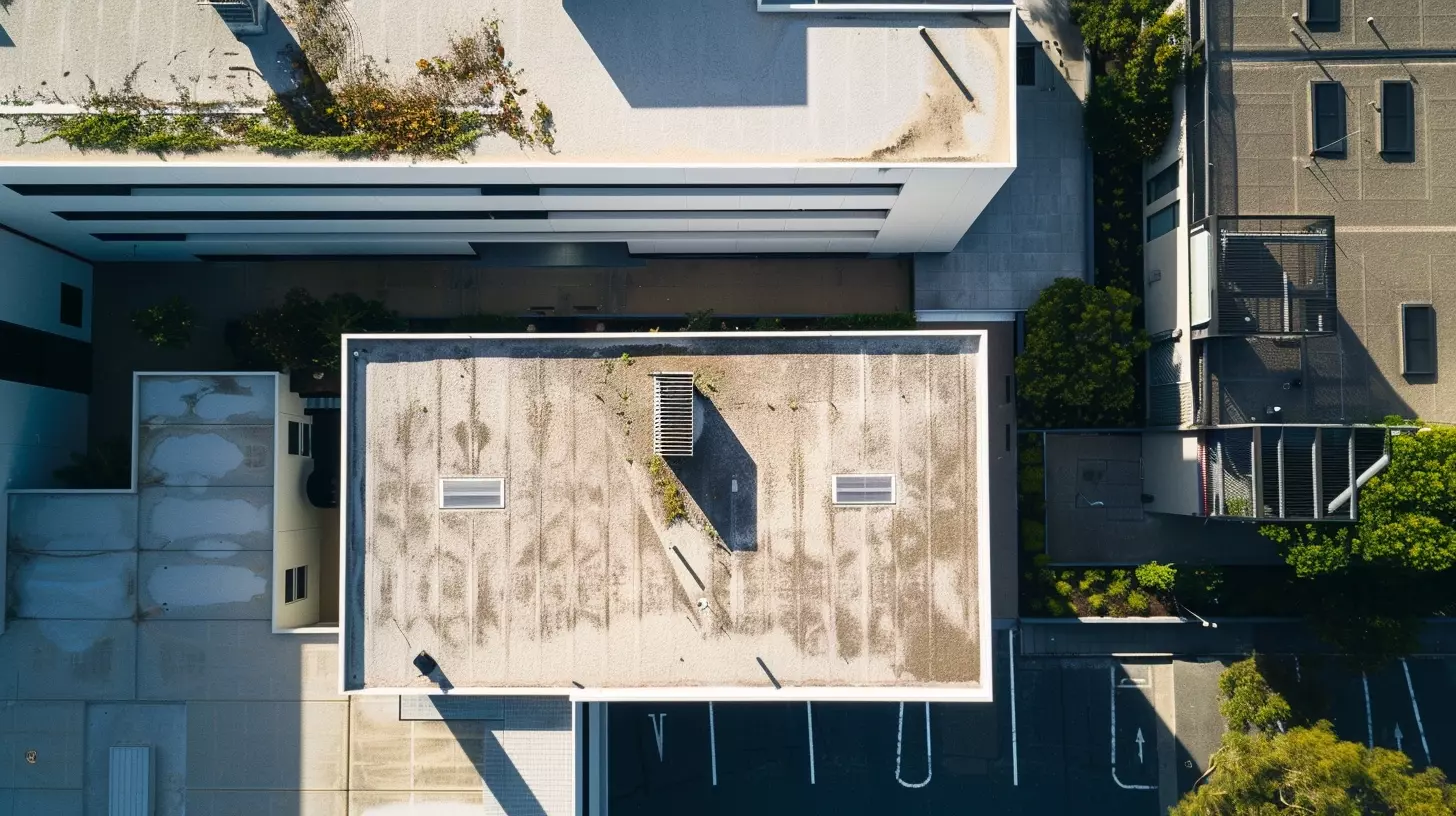
Residential vs Commercial Roofing: Key Differences Explained
- October 27, 2025
Understanding the differences between residential and commercial roofing is crucial whether you’re a homeowner planning a roof replacement or a business owner managing a commercial property. While both serve the fundamental purpose of protecting buildings from the elements, they differ significantly in materials, design, installation processes, and maintenance requirements.
In this comprehensive guide, we’ll explore the key distinctions between residential and commercial roofing systems to help you make informed decisions for your specific needs. From structural considerations to cost implications, we’ll cover everything you need to know about these two distinct roofing categories.
Materials: Different Solutions for Different Needs
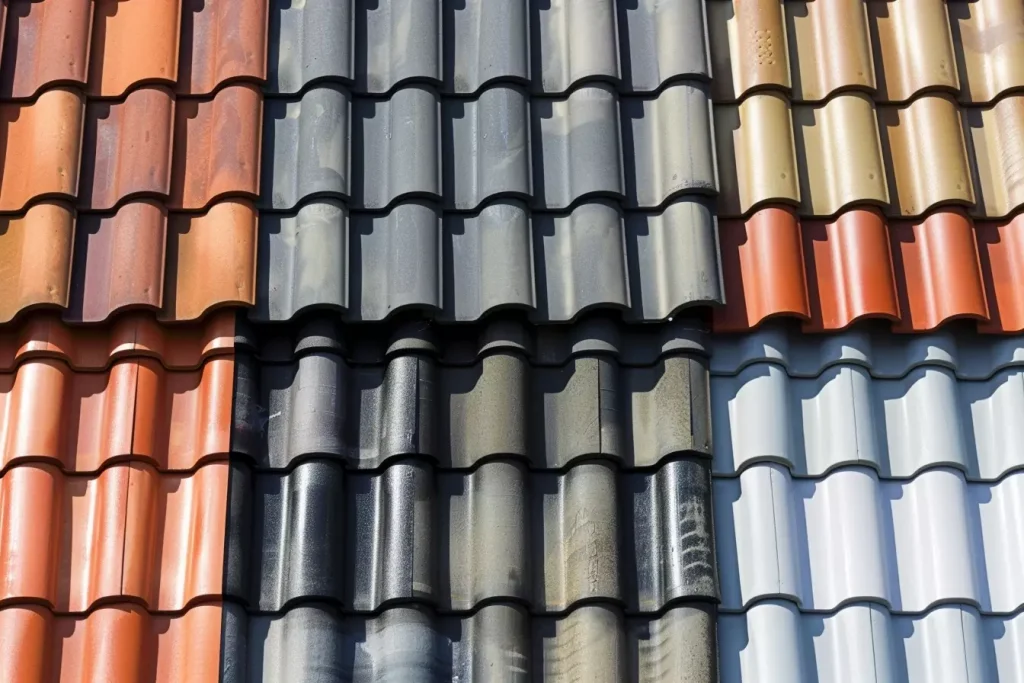
One of the most significant residential vs commercial roofing differences lies in the materials used. The choice of roofing materials depends on factors such as building design, budget constraints, local climate conditions, and aesthetic preferences.
Common Residential Roofing Materials
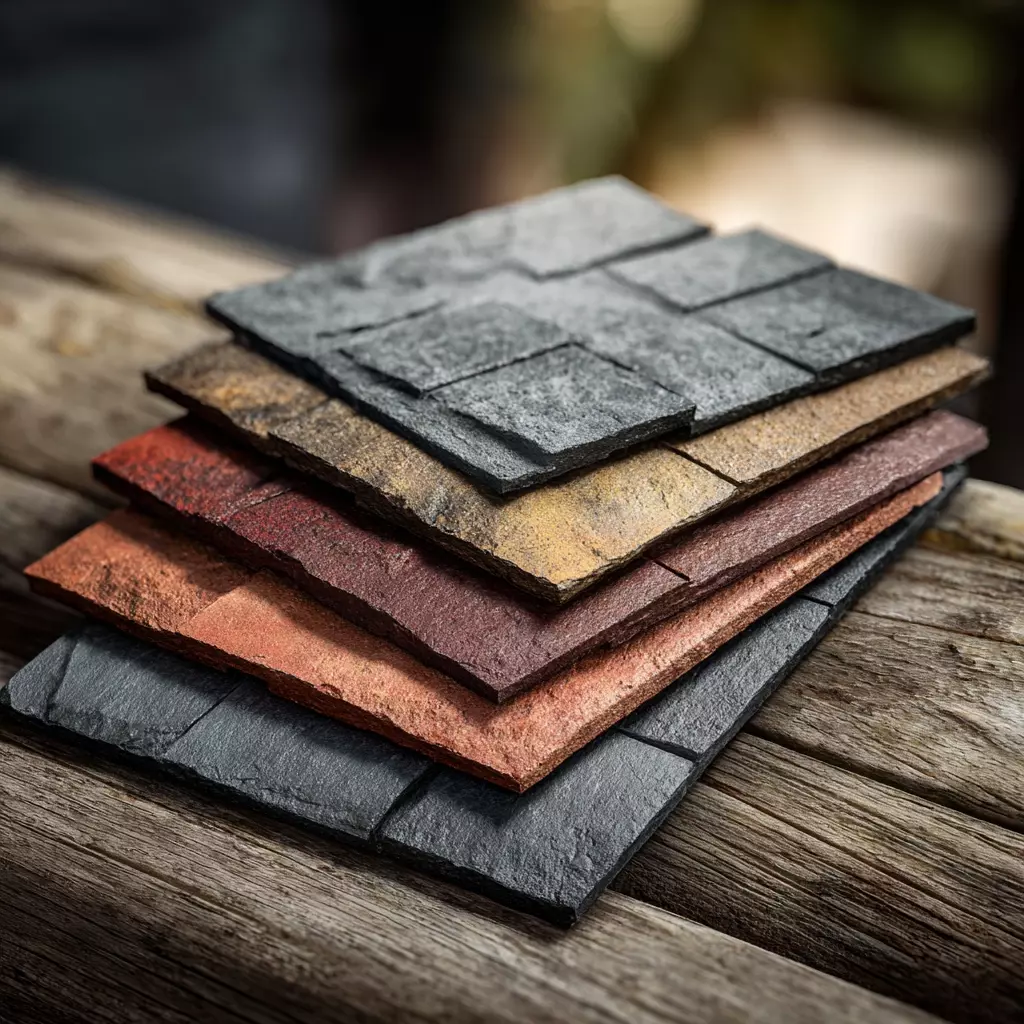
- Asphalt Shingles: The most popular choice for residential roofs in Australia due to their affordability, ease of installation, and variety of colours and styles.
- Metal Roofing: Increasingly popular for its durability, energy efficiency, and long lifespan. Options include Colorbond, Zincalume, and galvanised steel.
- Concrete Tiles: Offer excellent durability and thermal properties, with a lifespan of 50+ years when properly maintained.
- Terracotta Tiles: Known for their distinctive appearance and exceptional longevity, these tiles can last over 100 years.
- Slate: A premium natural stone option that provides unmatched durability and a unique, elegant appearance.
Common Commercial Roofing Materials
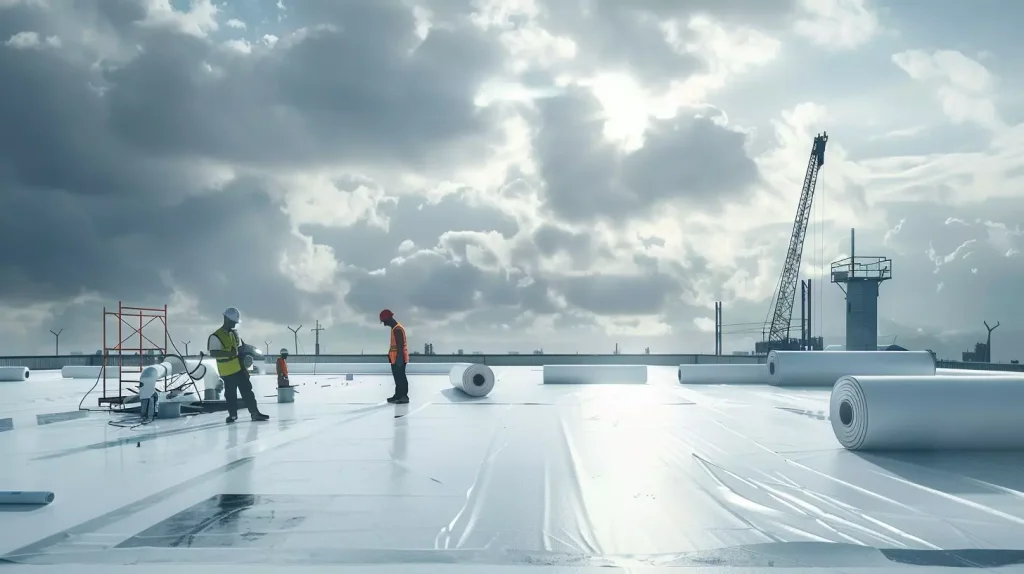
- Single-Ply Membranes: Including EPDM (rubber), TPO (thermoplastic polyolefin), and PVC, these materials are ideal for flat or low-slope commercial roofs.
- Modified Bitumen: A factory-made, asphalt-based system installed in layers to create a durable, waterproof surface.
- Built-Up Roofing (BUR): Consists of alternating layers of bitumen and reinforcing fabrics, creating a finished membrane.
- Metal Panel Systems: Engineered specifically for commercial applications, offering durability and weather resistance.
- Spray Polyurethane Foam (SPF): A seamless, lightweight option that provides excellent insulation properties.
While residential roofing materials are often selected based on aesthetic appeal and neighbourhood consistency, commercial roofing materials are chosen primarily for functionality, durability, and cost-effectiveness over large areas. The specific requirements of the building, such as the ability to support heavy HVAC equipment or withstand chemical exposure, also influence material selection for commercial properties.
Structural Design and Slope
The structural design represents another fundamental difference between residential and commercial roofs, with each type engineered to meet specific requirements.
Residential Roof Design
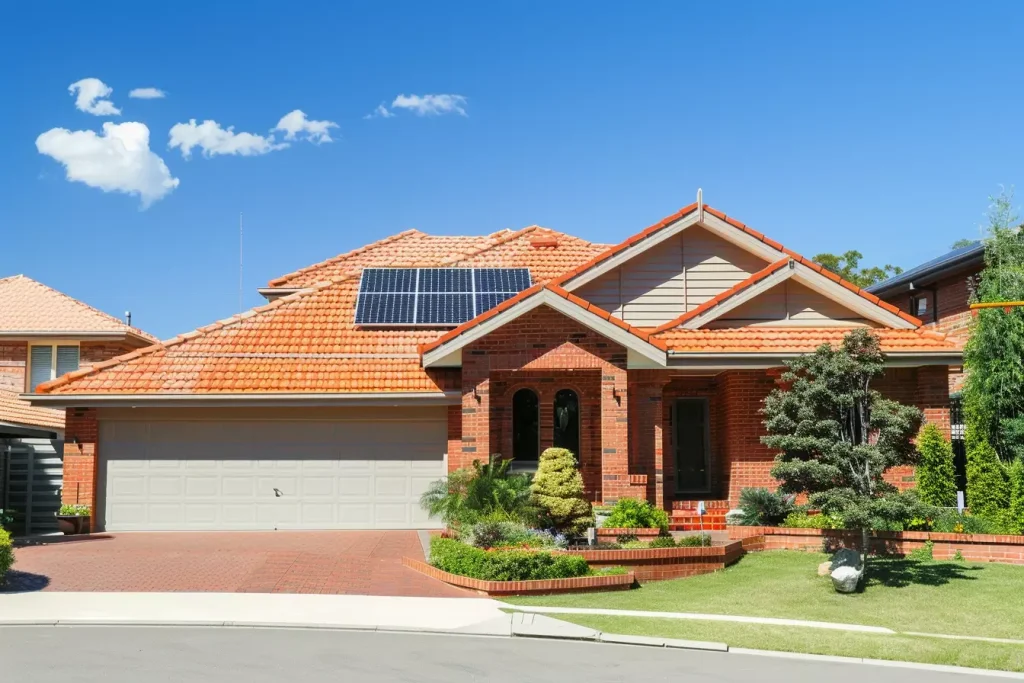
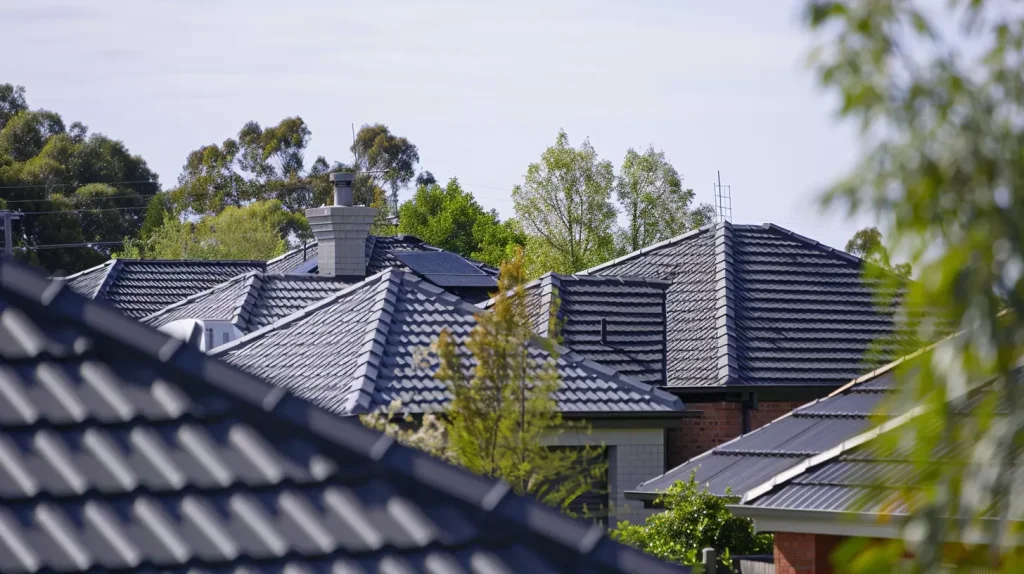
- Steep Slopes: Typically feature pitches between 4:12 and 9:12 (18-37 degrees), allowing for efficient water drainage.
- Aesthetic Focus: Design often prioritises visual appeal alongside functionality.
- Simpler Structure: Generally smaller in size with fewer penetrations and mechanical systems.
- Attic Space: The pitched design creates usable attic space for insulation and ventilation.
Commercial Roof Design
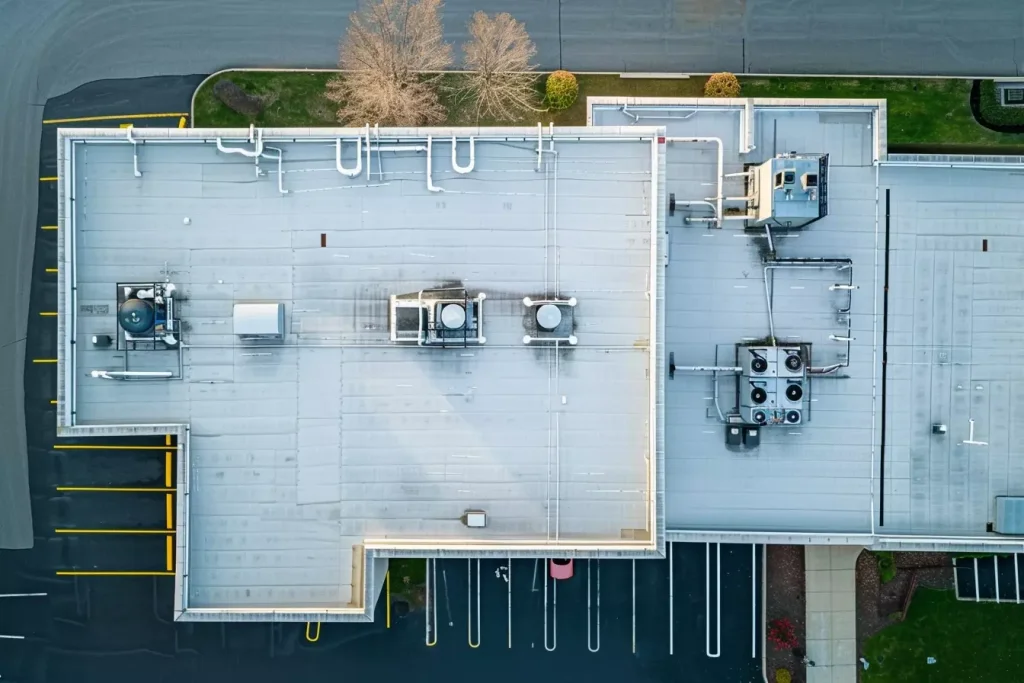
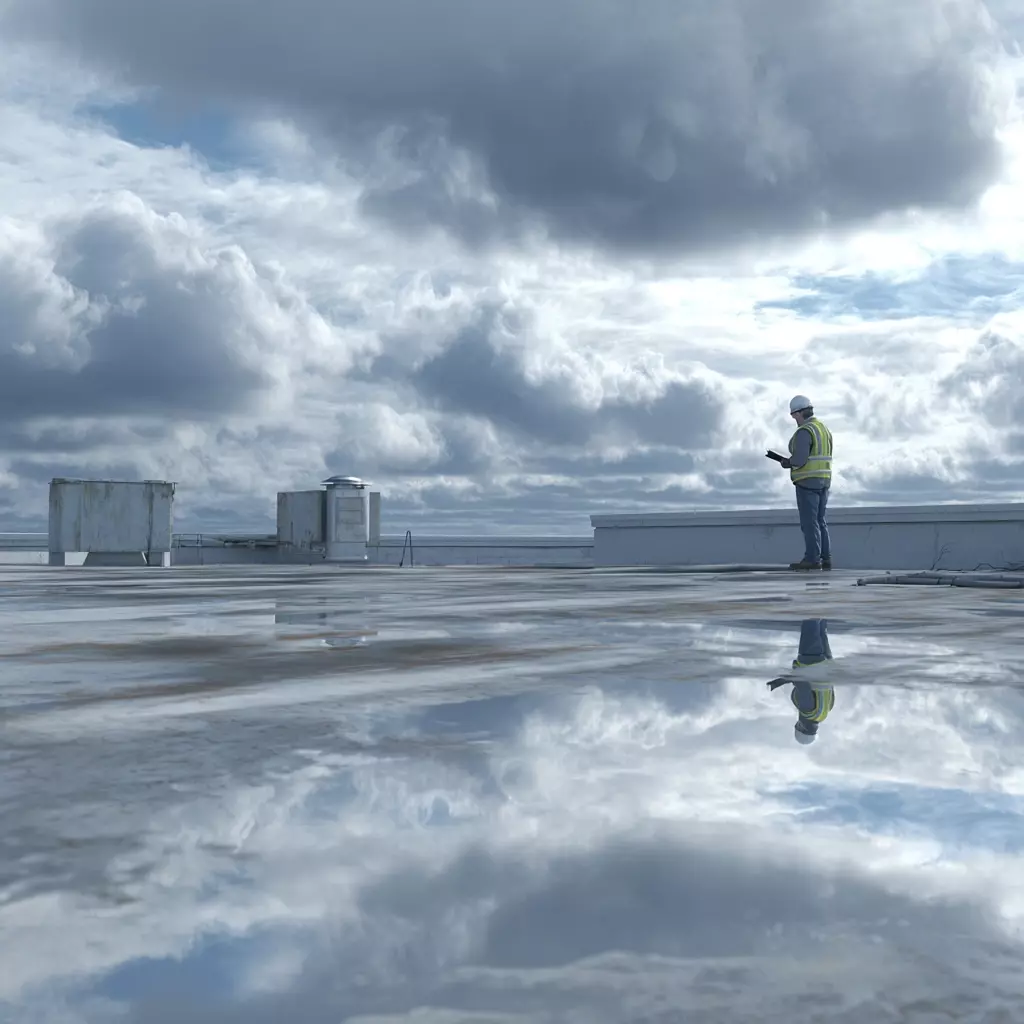
- Flat or Low Slope: Typically range from completely flat to 3:12 pitch (14 degrees or less).
- Functional Priority: Designed to accommodate HVAC systems, solar panels, and other equipment.
- Complex Drainage: Requires sophisticated drainage systems, including internal drains, scuppers, and gutters.
- Larger Surface Area: Often covers significantly more square metres than residential roofs.
- Weight-Bearing Capacity: Engineered to support heavy equipment and potential foot traffic.
“Commercial roofs don’t have the same water shedding structure as residential roofs. This requires careful waterproofing with impermeable weather membranes installed under a commercial roof’s surface to protect the structure.”
The structural differences between residential and commercial roofs directly impact material selection, installation methods, maintenance requirements, and overall lifespan. Commercial roofs require expert roofing services familiar with building around smokestacks, air flow systems, and external piping, while residential roofing tends to be more straightforward with fewer obstacles beyond chimneys or skylights.
Residential vs Commercial Roofing: At a Glance
This comparison table highlights the key differences between residential and commercial roofing systems to help you quickly understand their distinct characteristics.
| Feature | Residential Roofing | Commercial Roofing |
| Slope/Pitch | Steep (18-37 degrees) | Flat or low slope (0-14 degrees) |
| Common Materials | Asphalt shingles, metal, tiles, slate | EPDM, TPO, PVC, modified bitumen, BUR |
| Size/Scale | Smaller, less complex | Larger, more complex systems |
| Installation Time | 2-5 days typically | Weeks to months |
| Maintenance | Annual inspection, as-needed repairs | Quarterly inspections, preventative maintenance |
| Lifespan | 15-30 years (material dependent) | 10-40 years (system dependent) |
| Cost Factors | Materials, pitch, accessibility | Size, equipment, membrane type, insulation |
| Primary Design Focus | Aesthetics and weather protection | Functionality and durability |
Installation Complexity and Timeline
The installation process for residential and commercial roofing differs significantly in terms of complexity, time requirements, equipment, and labour needs.
Residential Roof Installation
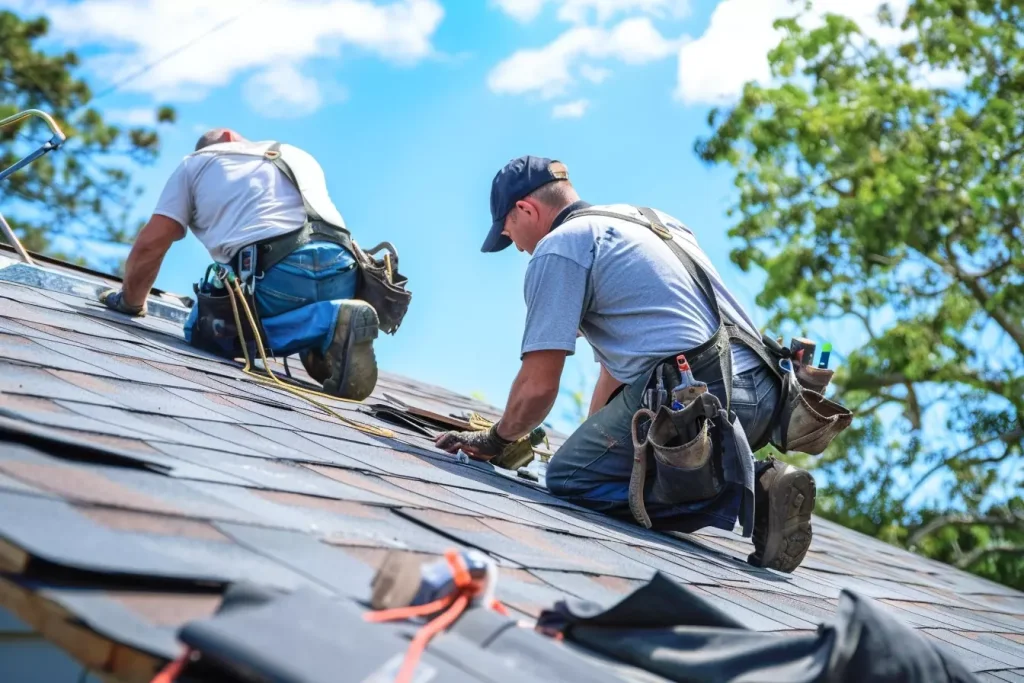
- Timeline: Typically completed within 2-5 days depending on home size and roof complexity.
- Crew Size: Usually requires a smaller team of 3-6 roofers.
- Equipment: Standard roofing tools, ladders, and safety gear are sufficient.
- Process: More straightforward with fewer layers and components.
- Permitting: Generally requires basic building permits.
Commercial Roof Installation
- Timeline: Can take weeks to months depending on size and system complexity.
- Crew Size: Requires larger teams, often with specialized roles.
- Equipment: May require cranes, lifts, specialized adhesive applicators, and heavy machinery.
- Process: Involves multiple layers, insulation systems, and complex flashing details.
- Permitting: Often requires extensive permitting, inspections, and possibly engineering approvals.
Planning Tip: Commercial roofing projects require significantly more planning and coordination. If you’re managing a commercial property, allow for longer lead times and more detailed project planning than you would for a residential roof.
The installation complexity directly impacts project timelines and costs. Commercial roofing requires expert roofing services with specialized knowledge about various aspects including external piping, air flow systems, and proper waterproofing techniques for flat surfaces. Residential roofing, while still requiring professional expertise, tends to follow more standardized installation procedures.
Maintenance Requirements and Costs
Maintenance approaches differ substantially between residential and commercial roofing systems, reflecting their structural differences and the consequences of potential failures.
Residential Roof Maintenance
- Frequency: Annual inspections recommended, with as-needed repairs.
- Common Issues: Missing or damaged shingles, flashing failures, gutter blockages.
- DIY Potential: Some minor maintenance can be performed by homeowners (gutter cleaning, visual inspections).
- Cost Range: Typically $250-$800 for annual maintenance, with repairs varying based on scope.
Commercial Roof Maintenance
- Frequency: Quarterly inspections recommended, with preventative maintenance programs.
- Common Issues: Membrane punctures, seam failures, drainage blockages, equipment flashing leaks.
- Professional Requirement: Almost always requires professional service due to complexity and safety concerns.
- Cost Range: Typically $0.10-$0.25 per square foot for regular maintenance programs, with repairs varying based on system type and issue severity.
“Emergency roof repair is more common for commercial roofs because any flaw in their waterproofing can allow water damage to the structure. A small leak can quickly escalate into a major expense.”
The maintenance approach for commercial roofs is typically more proactive and systematic compared to residential roofs. This reflects the higher potential costs of failure (business disruption, inventory damage, equipment exposure) and the more complex nature of commercial roofing systems.
Ensure Your Roof Gets the Right Maintenance
Not sure if your roof maintenance plan is adequate? Our experts can assess your current roof condition and recommend an appropriate maintenance schedule tailored to your specific roofing system.
Book a Free Roof Inspection
Durability and Lifespan Expectations
The expected lifespan of roofing systems varies significantly between residential and commercial applications, influenced by materials, installation quality, maintenance practices, and environmental factors.
Residential Roof Lifespan
- Asphalt Shingles: 15-30 years
- Metal Roofing: 40-70 years
- Concrete Tiles: 50+ years
- Terracotta Tiles: 50-100+ years
- Slate: 75-200+ years
Commercial Roof Lifespan
- EPDM: 20-30 years
- TPO/PVC: 15-30 years
- Modified Bitumen: 20-30 years
- Built-Up Roofing: 15-30 years
- Metal Panel Systems: 30-45 years
Factors Affecting Roofing Lifespan
- Installation Quality: Proper installation by qualified professionals significantly impacts longevity.
- Maintenance Practices: Regular inspections and prompt repairs extend roof life.
- Climate Conditions: Exposure to extreme weather, UV radiation, and temperature fluctuations affects durability.
- Ventilation: Proper ventilation prevents moisture buildup and extends roof life, particularly for residential roofs.
- Foot Traffic: Commercial roofs often experience more foot traffic for equipment maintenance, which can cause wear.
While commercial roofing systems generally have shorter theoretical lifespans than premium residential materials like slate or terracotta, their actual performance depends heavily on maintenance. Commercial roofs often have more routine inspections, which can help identify and address issues before they cause significant damage, potentially extending their functional lifespan.
Cost Differences: Initial Investment and Long-Term Value
Cost considerations for residential and commercial roofing differ not only in scale but also in how expenses are calculated, budgeted, and amortized.
Residential Roofing Costs
- Calculation Method: Typically priced per square (100 square feet) or per project.
- Average Cost Range: $5,000-$25,000 for a complete roof replacement, depending on size, materials, and complexity.
- Cost Drivers: Material quality, roof pitch, accessibility, architectural features, and regional labour rates.
- Return on Investment: Often viewed as a home improvement that increases property value.
Commercial Roofing Costs
- Calculation Method: Typically priced per square metre, with additional costs for specific details.
- Average Cost Range: $100-$400+ per square metre, with total projects often ranging from $50,000 to several million dollars.
- Cost Drivers: Building size, system complexity, equipment penetrations, insulation requirements, and access challenges.
- Return on Investment: Often viewed as a capital expense with depreciation benefits.
Budget Planning: For commercial roofing projects, it’s advisable to budget an additional 10-15% beyond the initial quote to account for potential unforeseen conditions discovered during the roof removal process.
While the upfront cost of commercial roofing is significantly higher in total project value, the per-square-metre cost can sometimes be lower than premium residential materials. However, commercial roofing often includes additional expenses for structural modifications, equipment relocation, and business disruption that must be factored into the total project cost.
Building Codes and Regulations
Regulatory requirements differ significantly between residential and commercial roofing projects, reflecting their different scales, occupancy types, and potential risks.
Residential Roofing Regulations
- Building Codes: Must comply with residential building codes, which are typically less complex than commercial codes.
- Permits: Usually require basic building permits, with inspections at completion.
- Energy Efficiency: Increasingly subject to energy efficiency requirements, though less stringent than commercial standards.
- Wind Resistance: Must meet local wind uplift resistance standards based on regional requirements.
Commercial Roofing Regulations
- Building Codes: Must comply with more rigorous commercial building codes, often including fire ratings, structural load requirements, and energy efficiency standards.
- Permits and Approvals: Often require multiple permits, engineering approvals, and inspections throughout the project.
- Energy Efficiency: Subject to strict energy efficiency requirements, particularly for new construction or major renovations.
- Fire Ratings: Must meet specific fire resistance ratings based on building occupancy and use.
- Accessibility: May need to accommodate roof access requirements for maintenance personnel.
Navigating the regulatory landscape for commercial roofing projects requires specialized knowledge and experience. Working with contractors who understand local building codes and have experience with permit processes can help ensure compliance and avoid costly delays or modifications.
Aesthetic Considerations
The visual impact of roofing choices varies dramatically between residential and commercial applications, reflecting different priorities and visibility factors.
Residential Roofing Aesthetics
- Visual Priority: High importance placed on curb appeal and complementing home architecture.
- Colour Options: Wide range of colour choices to match or accent exterior finishes.
- Style Variety: Multiple profile options, textures, and patterns available.
- Neighbourhood Consistency: Often influenced by neighbourhood standards or homeowner association guidelines.
- Resale Consideration: Attractive roofing can significantly impact property value and marketability.
Commercial Roofing Aesthetics
- Functional Priority: Appearance typically secondary to performance and cost-effectiveness.
- Limited Visibility: Often not visible from ground level, reducing aesthetic importance.
- Colour Limitations: Fewer colour options, with choices often driven by energy efficiency (reflectivity) rather than appearance.
- Brand Consideration: For visible roofs on retail or hospitality buildings, may need to align with corporate branding.
While residential roofing often serves as a key architectural element that enhances a home’s character and value, commercial roofing is primarily judged on its performance rather than appearance. As one source noted, “Homeowners want their houses to look pleasant, so the appearance of their roof is still important to them. Commercial buildings don’t have the same aesthetic concerns. Most of the time, you can’t even see the roof of a building from the street.”
Practical Advice for Property Owners
Whether you’re a homeowner or a commercial property manager, making informed roofing decisions requires understanding your specific needs and working with qualified professionals.
For Homeowners Considering Roof Replacement
- Research Materials: Consider longevity, warranty, and how materials complement your home’s architecture.
- Get Multiple Quotes: Obtain at least three detailed estimates from reputable contractors.
- Check Credentials: Verify licensing, insurance, and manufacturer certifications.
- Review Past Work: Ask for references and examples of similar projects.
- Understand Warranty Coverage: Distinguish between material warranties and workmanship guarantees.
For Business Owners Planning Commercial Roofing Projects
- Prioritize Experience: Work with contractors who specialize in commercial roofing systems.
- Consider Life-Cycle Costs: Evaluate not just initial installation costs but long-term maintenance and energy savings.
- Plan for Business Continuity: Discuss project timelines and how to minimize disruption to operations.
- Explore Energy Efficiency: Investigate potential rebates or incentives for energy-efficient roofing options.
- Develop a Maintenance Plan: Establish a regular inspection and maintenance schedule to protect your investment.
Choosing the Right Roofing Contractor
- Specialization Matters: Ensure the contractor has specific experience with your roof type (residential or commercial).
- Verify Insurance: Confirm they carry adequate liability insurance and workers’ compensation.
- Check Manufacturer Certifications: Many quality materials require certified installers to maintain warranty coverage.
- Review Contract Details: Ensure all aspects of the project are clearly documented, including materials, timeline, payment schedule, and cleanup.
- Ask About Crew Experience: Inquire about the experience level of the actual installation team, not just the company’s overall experience.
Need Expert Guidance for Your Roofing Project?
Our team specializes in both residential and commercial roofing systems. We can help you navigate the options and choose the best solution for your specific needs.
Request a Free Consultation
Call Us: (61) 1234 56789Conclusion: Making the Right Roofing Choice
Understanding the key residential vs commercial roofing differences is essential for making informed decisions about your property. While both types serve the fundamental purpose of protecting buildings from the elements, they differ significantly in materials, design, installation complexity, maintenance requirements, costs, and regulations.
Residential roofing typically prioritizes aesthetics alongside functionality, using materials like asphalt shingles, metal, or tiles on steep-sloped structures. Installation is generally straightforward, with projects completed in days rather than weeks. Maintenance is less intensive, though still important for maximizing lifespan.
Commercial roofing focuses primarily on functionality and durability for large, often flat or low-sloped surfaces. These systems use specialized materials like EPDM, TPO, or modified bitumen to create waterproof membranes capable of supporting heavy equipment. Installation is more complex, maintenance more rigorous, and regulatory requirements more demanding.
Whether you’re a homeowner or business owner, working with qualified professionals who understand these differences is crucial to achieving a successful roofing project that provides long-term protection and value for your property.
Can a residential roofing contractor handle commercial projects?
While some contractors work in both sectors, commercial roofing requires specialized knowledge, equipment, and experience. It’s best to choose a contractor with specific experience in your roof type. Commercial roofing involves different materials, installation techniques, and safety considerations that may not be familiar to contractors who primarily work on residential projects.
How often should I have my roof inspected?
For residential roofs, annual inspections are typically recommended, with additional checks after severe weather events. Commercial roofs benefit from quarterly inspections due to their complexity and the higher consequences of failure. Regular inspections help identify minor issues before they develop into major problems, potentially saving significant repair costs.
Is a metal roof suitable for both residential and commercial buildings?
Yes, metal roofing is versatile and can be used for both residential and commercial applications. However, the specific metal roofing systems differ between the two. Residential metal roofs often use standing seam or metal shingle profiles on steep slopes, while commercial metal roofing might use structural metal panels designed for lower slopes and larger spans.
Roof Replacement Timeline: What to Expect in Australia
Read More »Roofing Aesthetics & Colour Trends in Australia: 2025 Style Guide
Read More »Flat Roof Challenges and Solutions: A Comprehensive Guide
Read More »At Roofs.com.au, we are dedicated to providing top-quality roofing services across Australia. With years of experience in the roofing industry, we have earned a reputation for delivering reliable, efficient, and high-quality roofing solutions.
Navigation
Get in Touch
We’d love to hear from you! Whether you need a roof inspection, a free quote, or emergency roof repairs, our team is ready to assist you. Please visit our Contact Page to get in touch with us.
Contact Us Copyright © Roofs.com.au. All Rights Reserved.Roofs.com.au
REQUEST A QUOTE
At Roofs.com.au, we take pride in being responsive, reliable, and ready to solve all your roofing needs. Simply complete the form & one of our team member will be in contact with you shortly.
Request a QuoteRoofs.com.au
Submit your interest
Submit your interest using the form below. We will review your details and get back to you.
Images on This Page
-
https://roofs.com.au/wp-content/uploads/2025/05/roofs.com_.au-logo.png
(no alt text)
-
https://roofs.com.au/wp-content/uploads/2025/10/image-14-1024x683.webp
(no alt text)
-
https://roofs.com.au/wp-content/uploads/2025/10/image-15-1024x683.webp
(no alt text)
-
https://roofs.com.au/wp-content/uploads/2025/10/image-16-1024x683.webp
(no alt text)
-
https://roofs.com.au/wp-content/uploads/2025/10/image-17-1024x574.webp
(no alt text)
-
https://roofs.com.au/wp-content/uploads/2025/10/image-18-1024x683.webp
(no alt text)
-
https://roofs.com.au/wp-content/uploads/2025/10/image-19-1024x574.webp
(no alt text)
-
https://roofs.com.au/wp-content/uploads/2025/10/image-20.webp
(no alt text)
-
https://roofs.com.au/wp-content/uploads/2025/10/image-21.webp
(no alt text)
-
https://roofs.com.au/wp-content/uploads/2025/10/image-22-1024x574.webp
(no alt text)
-
https://roofs.com.au/wp-content/uploads/2025/10/image-23-1024x683.webp
(no alt text)
-
https://roofs.com.au/wp-content/uploads/2025/05/About-Us.jpg
(no alt text)
-
https://roofs.com.au/wp-content/uploads/2025/07/Modern-Australian-home-featuring-contemporary-roofing-aesthetics-and-colour-trends-Australia.jpeg
Modern Australian home featuring contemporary roofing aesthetics and colour trends Australia
-
https://roofs.com.au/wp-content/uploads/2025/10/image-24.webp
(no alt text)
-
https://roofs.com.au/wp-content/uploads/2024/07/roofs.com_.au-logo-2.png
(no alt text)