Flat Roof Challenges and Solutions: A Comprehensive Guide
- October 27, 2025
Flat roofs offer a sleek, modern aesthetic and practical advantages for many Australian properties. However, they also present unique challenges that require specific solutions and maintenance approaches. From water pooling to membrane deterioration, understanding these issues is crucial for protecting your investment and ensuring your roof’s longevity.
With over two decades of experience in Australian roofing, we’ve encountered virtually every flat roof problem imaginable. This guide explores the most common challenges, practical solutions, and preventative measures to help you maintain a durable, leak-free flat roof for years to come.
Understanding Flat Roof Systems: Benefits and Limitations
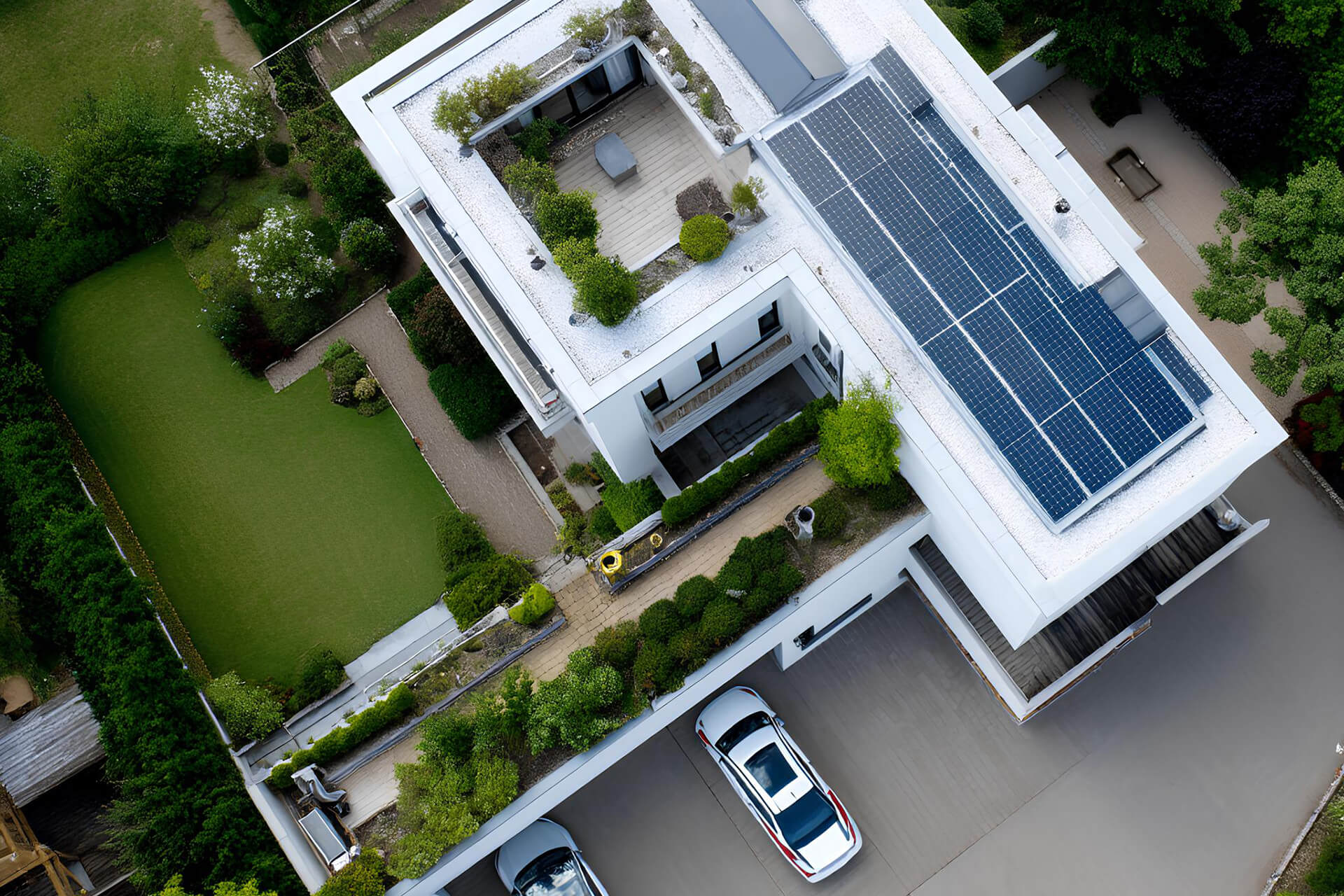
Modern flat roof design on an Australian contemporary home
Despite their name, flat roofs aren’t completely level—they feature a slight pitch (typically 1-10 degrees) to facilitate drainage. This design offers several advantages, including additional usable space, easier installation of solar panels, and a contemporary aesthetic that suits modern Australian architecture.
However, the minimal slope creates inherent challenges, particularly with water management. Understanding these limitations is the first step toward implementing effective solutions and maintenance strategies.
Common Flat Roof Materials in Australia
- Modified bitumen membranes
- EPDM rubber membranes
- TPO (Thermoplastic Polyolefin)
- Built-up roofing (BUR)
- Metal (particularly Colorbond)
Where Flat Roofs Are Commonly Used
- Modern residential homes
- Extensions and additions
- Garages and carports
- Commercial buildings
- Porches and covered outdoor areas
Challenge #1: Water Pooling and Drainage Issues
Water is the primary enemy of any roof, but flat roofs are particularly vulnerable. Without adequate slope, water can accumulate in depressions, creating “ponding” that adds weight to the structure and accelerates material deterioration. In Australia’s varied climate, from Brisbane’s tropical downpours to Melbourne’s persistent winter rains, effective drainage is essential.
Signs of Drainage Problems
- Standing water remaining 48+ hours after rainfall
- Water stains on ceilings or walls
- Sagging areas on the roof surface
- Vegetation or algae growth on the roof
- Deteriorating roof membrane around low spots
| Drainage Solution | Best For | Maintenance Requirement | Lifespan |
| Internal Drains | Large flat roofs | High (regular cleaning) | 15-20 years |
| Scuppers | Roofs with parapet walls | Medium | 20-25 years |
| Tapered Insulation | Retrofitting existing roofs | Low | Matches roof lifespan |
| Gutters and Downpipes | Residential flat roofs | High (seasonal cleaning) | 15-20 years |
Effective Solutions for Water Pooling
Addressing drainage issues requires a systematic approach tailored to your specific roof configuration:
Expert Tip: Drainage Maintenance
In areas with heavy tree coverage, consider installing gutter guards to prevent leaf buildup. For properties in Queensland and northern NSW, schedule additional inspections during the wet season to ensure drainage systems remain clear.
Experiencing Drainage Issues?
Our team can conduct a comprehensive drainage assessment and recommend tailored solutions for your flat roof.
Request Drainage Inspection
Challenge #2: Leaks and Waterproofing Failures
Leaks are perhaps the most common and frustrating challenge for flat roof owners. Unlike pitched roofs where water quickly runs off, flat roofs allow water to linger, increasing the likelihood of finding vulnerable entry points. In Australia’s harsh UV conditions, roofing materials can deteriorate faster, creating opportunities for water infiltration.
Common Causes of Flat Roof Leaks
Material Deterioration
UV exposure, thermal cycling, and general weathering can cause membranes to crack, blister, or shrink over time.
Flashing Failures
Poor installation or deterioration of flashing around roof penetrations, edges, and transitions creates vulnerable points.
Membrane Punctures
Foot traffic, fallen branches, or maintenance work can puncture or tear roofing membranes.
Waterproofing Solutions
Effective waterproofing requires both quality materials and proper installation techniques:
- Liquid Membrane Systems: Seamless application that conforms to irregular surfaces and self-heals minor damage.
- Torch-On Membranes: Heat-applied bituminous sheets that create a durable, waterproof barrier.
- EPDM or TPO Membranes: Single-ply rubber or thermoplastic sheets with excellent durability and UV resistance.
- Reinforced Joints and Seams: Additional reinforcement at vulnerable connection points.
- Proper Flashing Installation: Careful detailing around all roof penetrations, edges, and transitions.
| Waterproofing Method | Durability | Cost | Best Climate Application |
| Liquid Applied Membrane | 10-15 years | Medium | All Australian climates |
| Modified Bitumen | 15-20 years | Medium-High | Cooler regions (VIC, TAS) |
| EPDM Rubber | 20-30 years | High | Hot regions (QLD, NT) |
| TPO Membrane | 15-25 years | Medium-High | High UV areas (All Australia) |
“The most expensive waterproofing is the one you have to do twice. Quality materials and professional installation are always worth the investment.”
— Thomas Reid, Roofing Specialist with 25+ years experience
Challenge #3: Membrane Damage and Deterioration
Australia’s harsh climate presents unique challenges for flat roof membranes. Intense UV radiation, extreme temperature fluctuations, and seasonal storms can accelerate deterioration. Understanding the signs of membrane damage and implementing timely solutions is essential for preventing more serious issues.
Common Types of Membrane Damage
Blistering
Air or moisture trapped between layers expands in heat, creating bubbles or blisters in the membrane.
Solution: For small blisters, careful cutting, drying, and patching. For extensive blistering, section replacement may be necessary.
Cracking and Splitting
UV exposure and thermal cycling cause material brittleness and eventual cracking.
Solution: Reinforced patching for minor cracks; membrane replacement for extensive cracking.
Shrinkage
Some membranes contract over time, pulling away from edges, flashings, and penetrations.
Solution: Reinstallation of affected areas with proper expansion allowance.
Preventative Measures for Membrane Protection
Proactive maintenance can significantly extend the life of your flat roof membrane:
- Reflective Coatings: Apply UV-resistant coatings to reduce heat absorption and slow deterioration.
- Regular Inspections: Schedule bi-annual professional inspections to catch early signs of damage.
- Prompt Repairs: Address minor damage immediately before it spreads or deepens.
- Proper Drainage: Ensure water doesn’t pond on the membrane for extended periods.
- Traffic Protection: Install walkway pads in areas that require regular access.
Need expert advice on membrane repair or replacement?
Challenge #4: Thermal Movement and Structural Issues
Flat roofs expand and contract with temperature changes, creating stress on materials and connections. In Australia’s climate, where temperatures can vary dramatically between day and night (particularly in inland areas), thermal movement is a significant concern for flat roof integrity.
Signs of Thermal Movement Problems
- Membrane ridging or wrinkling
- Separated seams and joints
- Flashing pulling away from walls or penetrations
- Cracks developing in consistent patterns
- Fastener backing out or membrane tearing around fasteners
Understanding Thermal Movement
A typical flat roof can expand by several millimeters per meter on hot days. Without proper accommodation for this movement, materials will buckle, tear, or separate at their weakest points.
Solutions for Thermal Movement
Addressing thermal movement requires both design considerations and appropriate materials:
Expansion Joints
Strategic placement of flexible joints allows for movement without damaging the membrane or structure.
Flexible Membranes
Materials like EPDM rubber offer greater elasticity to accommodate expansion and contraction.
Proper Fastening
Techniques that allow for movement while maintaining waterproof integrity at attachment points.
Structural Considerations for Flat Roofs
Beyond thermal movement, flat roofs face unique structural challenges:
- Weight Distribution: Ensuring adequate support for the dead load (roof materials) and live loads (rain, equipment, etc.).
- Deflection Control: Preventing sagging that can lead to ponding water and increased load.
- Settlement Accommodation: Designing for normal building settlement without compromising roof integrity.
- Wind Uplift Resistance: Particularly important in coastal and cyclone-prone regions of Australia.
Warning Signs of Structural Issues
If you notice sagging, excessive bouncing when walking on the roof, or interior ceiling cracks, consult a structural engineer immediately. These could indicate serious structural problems requiring prompt attention.
Preventative Maintenance: The Key to Flat Roof Longevity
Regular maintenance is the most cost-effective strategy for extending flat roof lifespan and preventing costly repairs. In Australia’s diverse climate zones, from tropical north Queensland to temperate Victoria, maintenance requirements may vary, but the principles remain consistent.
Essential Maintenance Schedule
| Maintenance Task | Frequency | Importance | DIY or Professional |
| Clear debris (leaves, branches) | Monthly | High | DIY |
| Clean gutters and drains | Quarterly | Critical | DIY/Professional |
| Visual inspection | Bi-annually | High | DIY/Professional |
| Professional inspection | Annually | Critical | Professional |
| Recoating/Resealing | Every 3-5 years | Medium | Professional |
| Check flashing and seals | Bi-annually | High | Professional |
DIY Inspection Checklist
While professional inspections are essential, regular DIY checks can help catch problems early:
Exterior Checks
- Clear debris from roof surface
- Check for standing water after rain
- Look for membrane blisters or cracks
- Inspect flashing around edges and penetrations
- Check drainage points for blockages
- Look for vegetation growth
Interior Checks
- Check ceilings for water stains
- Look for mold or mildew growth
- Monitor for musty odors
- Check for sagging ceiling areas
- Inspect attic spaces (if accessible)
- Look for daylight penetrating through roof
Safety First
Always prioritize safety when inspecting flat roofs. Use proper fall protection, never walk on wet or damaged areas, and consider hiring professionals for inspections if you’re uncomfortable with heights or uncertain about roof access.
When to Call the Professionals
While regular maintenance and minor repairs can often be handled by property owners, certain situations call for professional expertise. Recognizing when to call in the experts can save you time, money, and prevent further damage to your property.
Signs You Need Professional Flat Roof Services
- Multiple or persistent leaks despite repair attempts
- Large areas of damaged or deteriorated membrane
- Structural sagging or deflection
- Extensive ponding water that doesn’t drain
- Major storm damage
- Roof age exceeding 15-20 years
- Planning significant rooftop additions (solar panels, HVAC units)
What to Expect from Professional Roof Services
Quality professional roofing services should include:
Comprehensive Assessment
Thorough inspection including moisture scanning and structural evaluation.
Detailed Documentation
Written reports with photos documenting all issues and recommended solutions.
Multiple Solution Options
Various repair or replacement options with clear cost-benefit analysis.
How do I choose the right roofing contractor?
Look for licensed, insured contractors with specific flat roof experience. Check reviews, ask for references, and get multiple quotes. Ensure they offer detailed written proposals and warranties on both materials and workmanship.
Is it better to repair or replace my flat roof?
This depends on the extent of damage, roof age, and your budget. Generally, if repairs would exceed 30% of replacement cost, or if the roof is nearing the end of its expected lifespan, replacement is often more cost-effective long-term.
How long should a professional flat roof repair last?
Professional repairs should last 5-10 years at minimum, depending on the material and extent of repair. Complete replacements with quality materials should last 15-30 years with proper maintenance.
Protecting Your Investment: Long-term Flat Roof Care
Flat roofs represent a significant investment in your property, and proper care is essential for protecting that investment. By understanding the common challenges—from water pooling and leaks to membrane damage and structural issues—you can implement effective solutions and maintenance strategies to extend your roof’s lifespan.
Remember that prevention is always more cost-effective than repair. Regular inspections, prompt attention to minor issues, and professional assessments when needed will help ensure your flat roof continues to protect your property for years to come.
For Australian property owners, it’s particularly important to consider our unique climate challenges, from intense UV radiation to severe storms. Working with experienced professionals who understand these local conditions can make all the difference in maintaining a durable, trouble-free flat roof.
Need Expert Flat Roof Assessment?
Our team of experienced roofing professionals can provide a comprehensive inspection, identify potential issues, and recommend tailored solutions for your flat roof.
Request Free Inspection
Or call us directly:
Insulation & Energy‑Efficient Roofing in Australia: 2025 Ultimate Guide
Read More »Energy-Efficient Roofs: Sustainable Solutions for Australian Homes
Read More »Spotting Early Signs of Roof Damage in Australia: 2025 Homeowner Guide
Read More »At Roofs.com.au, we are dedicated to providing top-quality roofing services across Australia. With years of experience in the roofing industry, we have earned a reputation for delivering reliable, efficient, and high-quality roofing solutions.
Navigation
Get in Touch
We’d love to hear from you! Whether you need a roof inspection, a free quote, or emergency roof repairs, our team is ready to assist you. Please visit our Contact Page to get in touch with us.
Contact Us Copyright © Roofs.com.au. All Rights Reserved.Roofs.com.au
REQUEST A QUOTE
At Roofs.com.au, we take pride in being responsive, reliable, and ready to solve all your roofing needs. Simply complete the form & one of our team member will be in contact with you shortly.
Request a QuoteRoofs.com.au
Submit your interest
Submit your interest using the form below. We will review your details and get back to you.
Images on This Page
-
https://roofs.com.au/wp-content/uploads/2025/05/roofs.com_.au-logo.png
(no alt text)
-
https://roofs.com.au/wp-content/uploads/2025/10/image-25-1024x683.webp
(no alt text)
-
https://roofs.com.au/wp-content/uploads/2025/10/image-26-1024x683.webp
(no alt text)
-
https://roofs.com.au/wp-content/uploads/2025/10/image-27-1024x574.webp
(no alt text)
-
https://roofs.com.au/wp-content/uploads/2025/10/image-28-1024x683.webp
(no alt text)
-
https://roofs.com.au/wp-content/uploads/2025/10/image-29-1024x574.webp
(no alt text)
-
https://roofs.com.au/wp-content/uploads/2025/07/image-66.webp
(no alt text)
-
https://roofs.com.au/wp-content/uploads/2025/05/Contact-BG.jpg
(no alt text)
-
https://roofs.com.au/wp-content/uploads/2025/07/Damaged-roof-tiles-showing-early-signs-of-roof-damage-in-Australia.jpeg
Damaged roof tiles showing early signs of roof damage in Australia
-
https://roofs.com.au/wp-content/uploads/2024/07/roofs.com_.au-logo-2.png
(no alt text)