Legal Asbestos Roof Removal Rules in Australia: What Homeowners Need to Know
- July 30, 2025
Asbestos roofing remains common in many Australian homes built before the 1990s. Once prized for its durability and fire resistance, we now understand the severe health risks associated with disturbing these materials. Australia has implemented strict regulations governing asbestos roof removal to protect public health. This guide explains the legal requirements, safety protocols, and why professional removal is typically the safest option for homeowners.
Is Your Roof Made of Asbestos?
Identifying asbestos-containing materials in your roof is the crucial first step. Homes built before 1990 are most likely to contain asbestos roofing, though some properties built in the early 2000s may still have these materials as the complete ban only came into effect in 2003.
Common Asbestos Roofing Materials
Asbestos was commonly used in various roofing products throughout Australia, including:
- Corrugated cement roofing sheets (including “Super Six”)
- Flat cement roofing sheets
- Roof shingles and tiles
- Roof ridge capping
- Guttering and downpipes
- Roofing insulation materials
- Roof sealants and coatings
Visual Identification Tips
While you cannot definitively identify asbestos by sight alone, these visual clues may suggest its presence:
- Corrugated or flat cement sheets installed before 1990
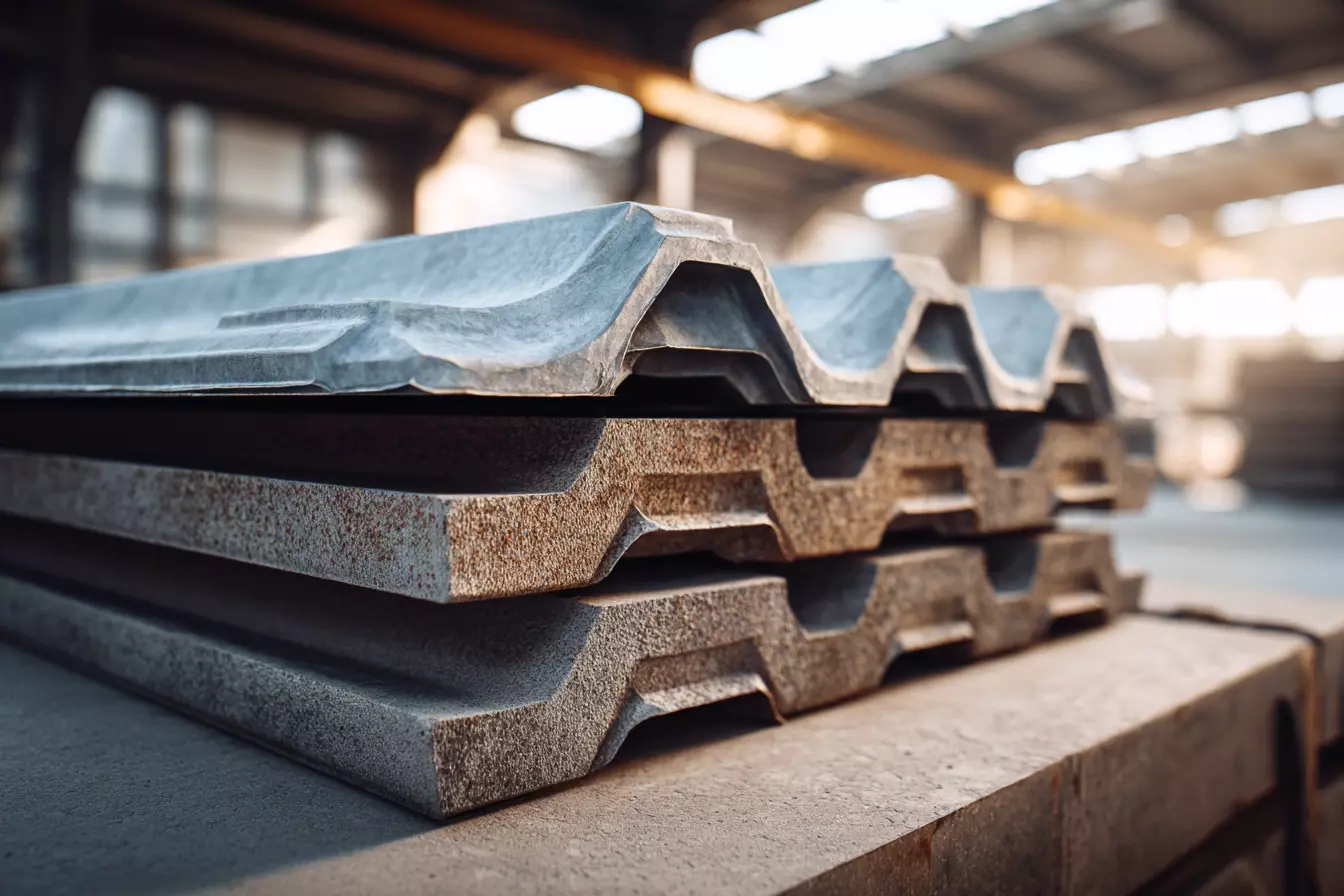
- Dimpled “pebble” pattern on the underside of sheets
- Roof sheets approximately 5-6mm thick
- Grey or beige colour that may have faded or weathered over time
- Visible fibres in damaged or broken sections
Important: Visual identification alone is not reliable. The only way to confirm asbestos presence is through professional testing by a NATA-accredited laboratory.
Unsure If Your Roof Contains Asbestos?
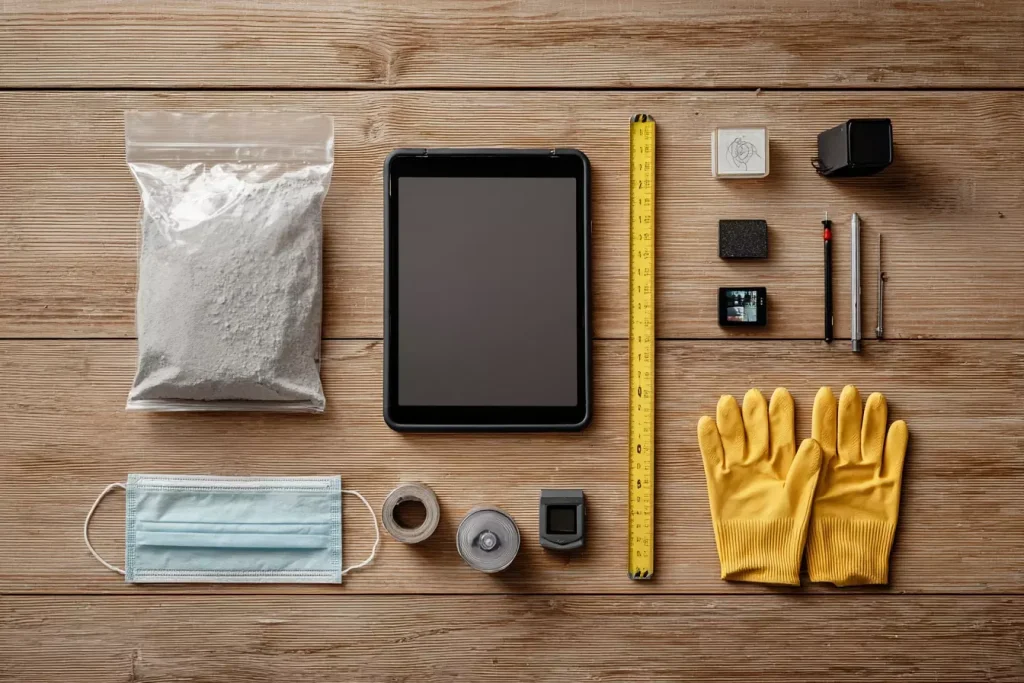
Professional testing is the only reliable way to identify asbestos materials. Licensed assessors can safely take samples and provide accurate results.
Find a Licensed Asbestos Assessor
Can You Legally Remove Asbestos Roofing Yourself?
Australia has strict regulations governing asbestos removal, with rules varying by state and territory. Understanding these legal requirements is essential before attempting any work on suspected asbestos materials.
Federal Guidelines vs. State Regulations
While national Work Health and Safety (WHS) regulations provide a framework for asbestos management, specific rules are implemented at the state and territory level. The general rule across most jurisdictions is that only up to 10m² of non-friable (bonded) asbestos can be removed without a licence, though some states have implemented complete bans on DIY removal.
Friable vs. Non-Friable Asbestos: Non-friable asbestos is bonded with other materials (like cement) and cannot be easily crumbled by hand. Friable asbestos can be easily crumbled and is much more dangerous. Roofing materials typically contain non-friable asbestos when in good condition, but may become friable when damaged or weathered.
State-by-State Asbestos Removal Regulations
| State/Territory | DIY Removal Allowed? | Maximum Amount | Special Requirements |
| NSW | Limited | Up to 10m² of non-friable | Must follow SafeWork NSW guidelines |
| QLD | Limited | Up to 10m² of non-friable | Must follow safety procedures and disposal rules |
| VIC | Limited | Up to 10m² of non-friable | Must follow WorkSafe Victoria guidelines |
| ACT | No | None – total DIY ban | Licensed removalists only |
| SA | Limited | Up to 10m² of non-friable | Must follow SafeWork SA guidelines |
| WA | Limited | Up to 10m² of non-friable | Must follow WorkSafe WA procedures |
| TAS | Limited | Up to 10m² of non-friable | Must follow WorkSafe Tasmania guidelines |
| NT | Limited | Up to 10m² of non-friable | Must follow NT WorkSafe procedures |
Warning: Even where DIY removal is legally permitted, the health risks are significant. Professional removal is strongly recommended in all cases.
Licensed Asbestos Removal: What’s Involved
Licensed asbestos removalists have the training, equipment, and expertise to safely handle asbestos materials. Understanding the licensing system helps you choose the right professional for your roof removal.
Types of Asbestos Removal Licences
Class A Licence
Holders can remove both friable and non-friable asbestos materials. These contractors have the highest level of training and equipment.
Required for:
- Any amount of friable asbestos
- Asbestos that has become friable due to damage or weathering
- Complex removal jobs
Class B Licence
Holders can remove only non-friable asbestos materials in quantities of 10m² or more.
Required for:
- More than 10m² of non-friable asbestos
- Intact asbestos cement roofing sheets
- Most standard residential roof removals
Professional Removal Process
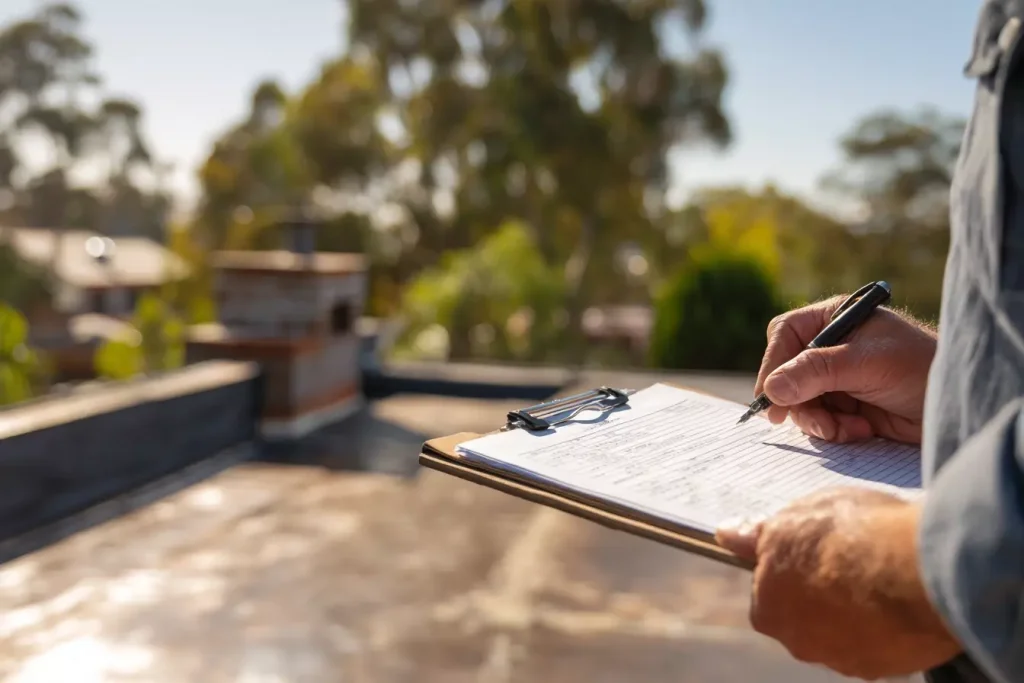
- Site assessment and planning – Identifying all asbestos materials and developing a removal plan
- Notification to authorities – Informing relevant workplace safety regulators before work begins
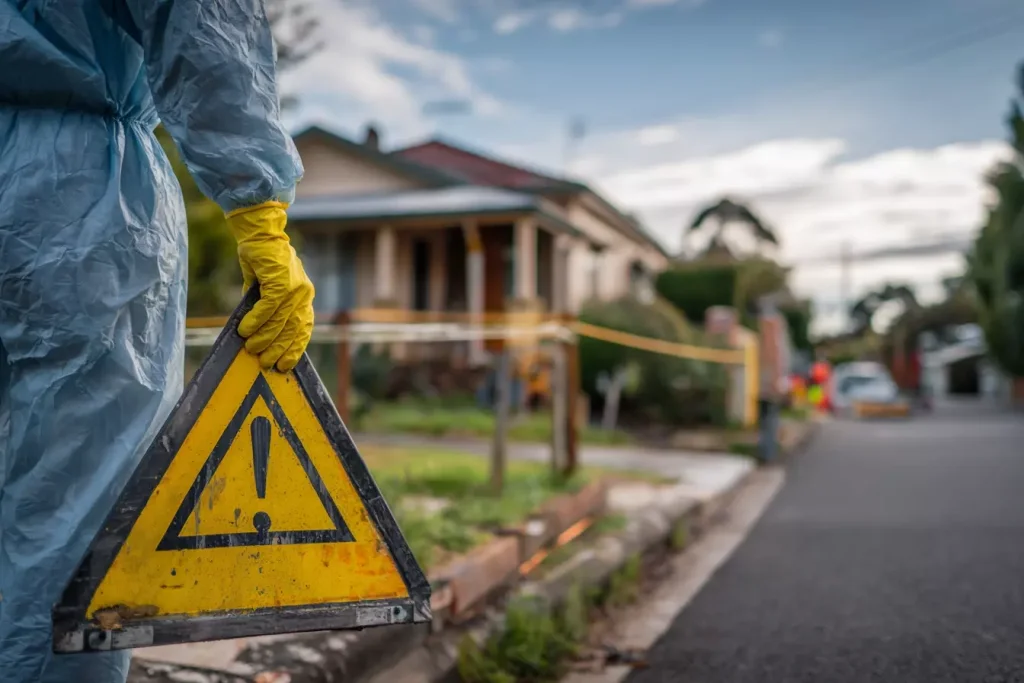
- Site preparation – Setting up containment barriers, decontamination facilities, and warning signs
- Removal using wet methods – Keeping materials damp to prevent fibre release
- Proper packaging of waste – Double-bagging and labelling all asbestos waste
- Decontamination – Thorough cleaning of the area and equipment
- Clearance inspection – Independent assessment confirming the area is safe
- Waste transport and disposal – Taking materials to an authorized disposal facility
Need Professional Asbestos Roof Removal?
Licensed asbestos removalists have the training and equipment to safely remove your asbestos roofing materials in compliance with all regulations.
Find a Licensed Removalist
Penalties for Illegal Asbestos Removal
Australian authorities take asbestos safety very seriously. Non-compliance with asbestos removal regulations can result in substantial penalties for both individuals and businesses.
Potential Fines and Consequences
- Individuals can face fines up to $20,000 for improper handling or disposal
- Businesses may be fined up to $100,000 for serious breaches
- Criminal charges are possible in cases of deliberate endangerment
- Additional cleanup costs if asbestos is improperly disposed of
- Potential liability for exposing others to asbestos fibres
“In 2022, a Queensland contractor was fined $25,000 for removing asbestos without proper licensing or safety measures. The court found that the contractor had endangered both workers and residents by failing to follow required procedures.”
– SafeWork Australia Case Study
How Much Does Asbestos Roof Removal Cost?
Professional asbestos roof removal is an investment in safety and compliance. Costs vary based on several factors, but understanding the typical price range helps with planning.
Average Cost Factors
Professional asbestos roof removal typically costs between $3,500 and $15,000 for an average Australian home. This price varies based on:
- Roof size and complexity
- Accessibility of the property
- Condition of the asbestos materials
- Type of asbestos present
- Location (rural properties may incur travel charges)
- Disposal fees (vary by state and facility)
- Whether replacement roofing is included
What Your Quote Should Include:
- Site assessment and planning
- All safety equipment and containment measures
- Removal labour costs
- Waste packaging materials
- Transport to disposal facility
- Disposal fees
- Clearance certificate (if applicable)
Always obtain multiple quotes from licensed professionals. The cheapest quote may not include all necessary safety measures or might come from an unlicensed operator. Request a detailed breakdown of costs and verify licensing before proceeding.
What to Do If You Suspect Asbestos in Your Roof
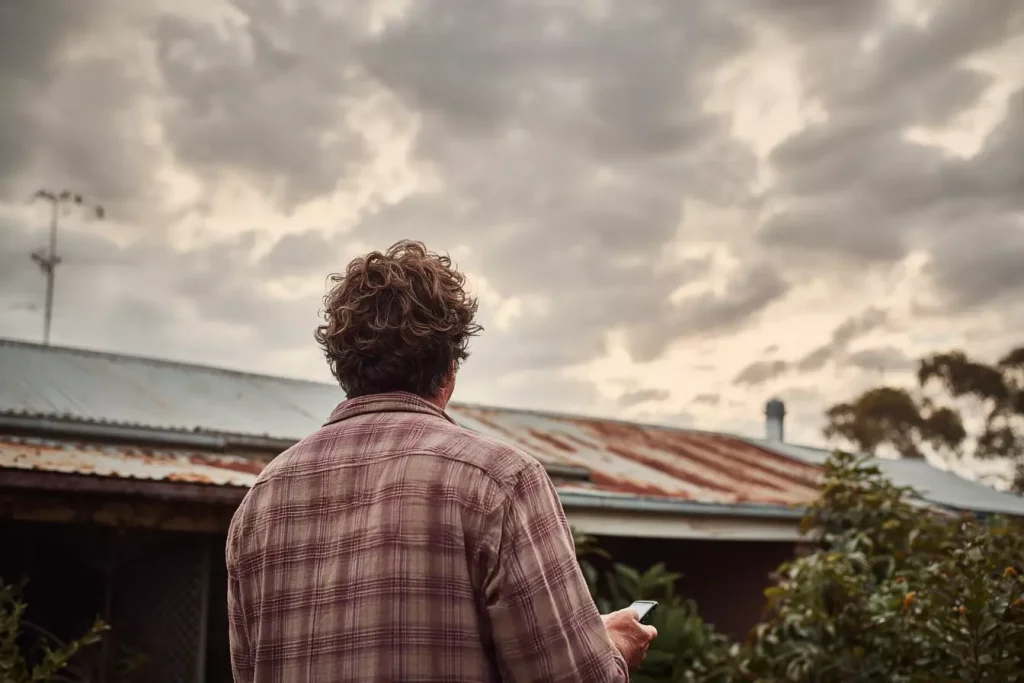
If you believe your roof may contain asbestos, following these steps will help ensure your safety and compliance with regulations.
DO
- Keep the material intact and undisturbed
- Arrange professional testing if unsure
- Contact licensed professionals for advice
- Check your state’s specific regulations
- Document the location of suspected materials
- Consider professional removal even for small amounts
DON’T
- Drill, cut, or break suspected materials
- Use high-pressure water on asbestos roofing
- Sweep or vacuum potential asbestos dust
- Attempt removal without proper protection
- Dispose of materials in regular waste
- Underestimate the health risks involved
Step-by-Step Action Plan
- Document the suspected materials – Take photos from a safe distance without disturbing the material
- Arrange professional testing – Contact a NATA-accredited laboratory or licensed assessor
- Review your state’s regulations – Check with your local WorkSafe authority about specific requirements
- Obtain quotes from licensed removalists – Get detailed written quotes from at least three licensed professionals
- Check credentials – Verify licensing and insurance before hiring
- Plan for replacement roofing – Coordinate removal with installation of new roofing materials
- Maintain documentation – Keep all testing results, clearance certificates, and disposal receipts
Conclusion: Prioritising Safety and Compliance
When it comes to asbestos roof removal in Australia, safety must be the top priority. While limited DIY removal may be legally permitted in some states, the health risks and complex regulatory requirements make professional removal the safest and most reliable option for most homeowners.
Asbestos-related diseases claim hundreds of Australian lives each year, with symptoms often appearing decades after exposure. By following proper procedures and engaging licensed professionals, you protect not only your own health but also that of your family, neighbours, and community.
Protect Your Health and Comply with Regulations
Don’t take chances with asbestos. Contact a licensed professional for safe, compliant removal of asbestos roofing materials.
Find a Licensed Asbestos Removalist
Additional Resources
- Asbestos Safety and Eradication Agency
- Safe Work Australia – Asbestos Information
- Finding Asbestos in Your Home
Best Roof Insulation and Ventilation Products: Top Picks for Energy Efficiency and Comfort
Read More »Tile-to-Colorbond Re-Roofing: Structural Changes to Consider (Weight, Pitch, Fixings, Ventilation & Condensation)
Read More »Essential Guide to Strata & Body-Corporate Roof Maintenance: Cadence, Logbooks, Access, and Budgeting
Read More »At Roofs.com.au, we are dedicated to providing top-quality roofing services across Australia. With years of experience in the roofing industry, we have earned a reputation for delivering reliable, efficient, and high-quality roofing solutions.
Navigation
Get in Touch
We’d love to hear from you! Whether you need a roof inspection, a free quote, or emergency roof repairs, our team is ready to assist you. Please visit our Contact Page to get in touch with us.
Contact Us Copyright © Roofs.com.au. All Rights Reserved.Roofs.com.au
REQUEST A QUOTE
At Roofs.com.au, we take pride in being responsive, reliable, and ready to solve all your roofing needs. Simply complete the form & one of our team member will be in contact with you shortly.
Request a QuoteRoofs.com.au
Submit your interest
Submit your interest using the form below. We will review your details and get back to you.
Images on This Page
-
https://roofs.com.au/wp-content/uploads/2025/05/roofs.com_.au-logo.png
(no alt text)
-
https://roofs.com.au/wp-content/uploads/2025/07/image-112-1024x683.webp
(no alt text)
-
https://roofs.com.au/wp-content/uploads/2025/07/image-113-1024x683.webp
(no alt text)
-
https://roofs.com.au/wp-content/uploads/2025/07/image-114-1024x683.webp
(no alt text)
-
https://roofs.com.au/wp-content/uploads/2025/07/image-115-1024x683.webp
(no alt text)
-
https://roofs.com.au/wp-content/uploads/2025/07/image-116-1024x683.webp
(no alt text)
-
https://roofs.com.au/wp-content/uploads/2025/07/image-117-1024x683.webp
(no alt text)
-
https://roofs.com.au/wp-content/uploads/2025/08/image-14.webp
(no alt text)
-
https://roofs.com.au/wp-content/uploads/2025/09/image-15.webp
(no alt text)
-
https://roofs.com.au/wp-content/uploads/2025/09/image-32.webp
(no alt text)
-
https://roofs.com.au/wp-content/uploads/2024/07/roofs.com_.au-logo-2.png
(no alt text)