Insulation & Energy‑Efficient Roofing in Australia: 2025 Ultimate Guide
- July 14, 2025
Selecting the right energy‑efficient roofing insulation Australia options can dramatically reduce your home’s energy consumption and create a more comfortable living environment. With Australia’s diverse climate zones—from tropical Darwin to chilly Hobart—understanding how insulation works to manage heat transfer is essential. This comprehensive guide explores the latest roof insulation technologies, R‑value requirements, and how proper installation can slash your energy bills while meeting the National Construction Code (NCC) 2022 standards.
How Roof Insulation Works: The Science of Energy Efficiency
Heat transfer through roofing and how insulation creates thermal barriers
Roof insulation works by creating a thermal barrier that slows heat transfer through your roof structure. In summer, up to 35% of unwanted heat enters Australian homes through the roof, while in winter, 25-35% of heat loss occurs through the same pathway according to Your Home Australia. Effective insulation disrupts all three heat transfer methods:
- Conduction: Physical transfer of heat through solid materials
- Convection: Heat movement through air currents
- Radiation: Direct heat transfer through electromagnetic waves
The effectiveness of insulation is measured by its R-value—the higher the value, the greater the thermal resistance. Australian climate zones require different minimum R-values to achieve optimal energy efficiency, with northern regions focusing on heat reflection and southern areas prioritizing heat retention.
Types of Roof Insulation: Comparing Your Options
| Material | R-value per 100mm | Cost/m² | Ideal Climate | Key Benefits |
| Bulk batts (glass wool, polyester) | 2.5–3.5 | $3–$7 | Temperate/Cool | Easy installation, cost-effective, good acoustic properties |
| Reflective foil insulation | 0.3–1.0 (up to 3.8 when combined) | $2–$5 | Hot/Humid | Excellent radiant heat reflection, moisture barrier |
| PIR/XPS boards | 4.5–6.5 | $10–$18 | All zones | High R-value, moisture resistant, rigid structure |
| Spray foam insulation | 3.6–6.0 | $15–$30 | Extreme climates | Seals gaps, excellent air barrier, high R-value |
Bulk Insulation: Batts and Blankets
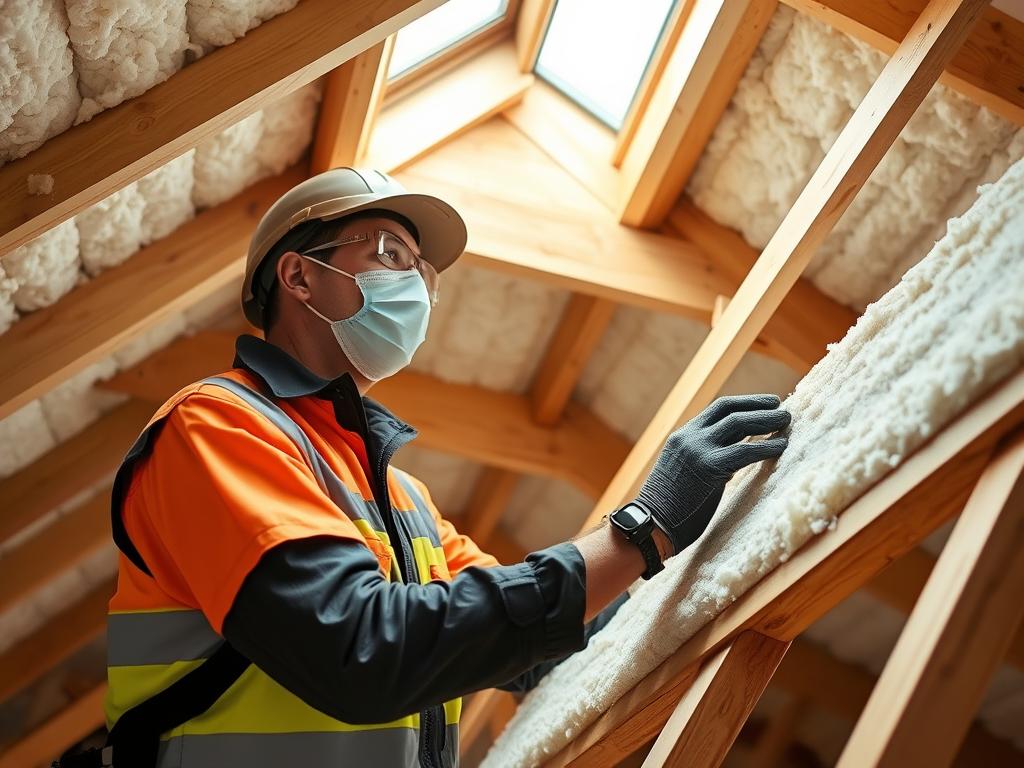
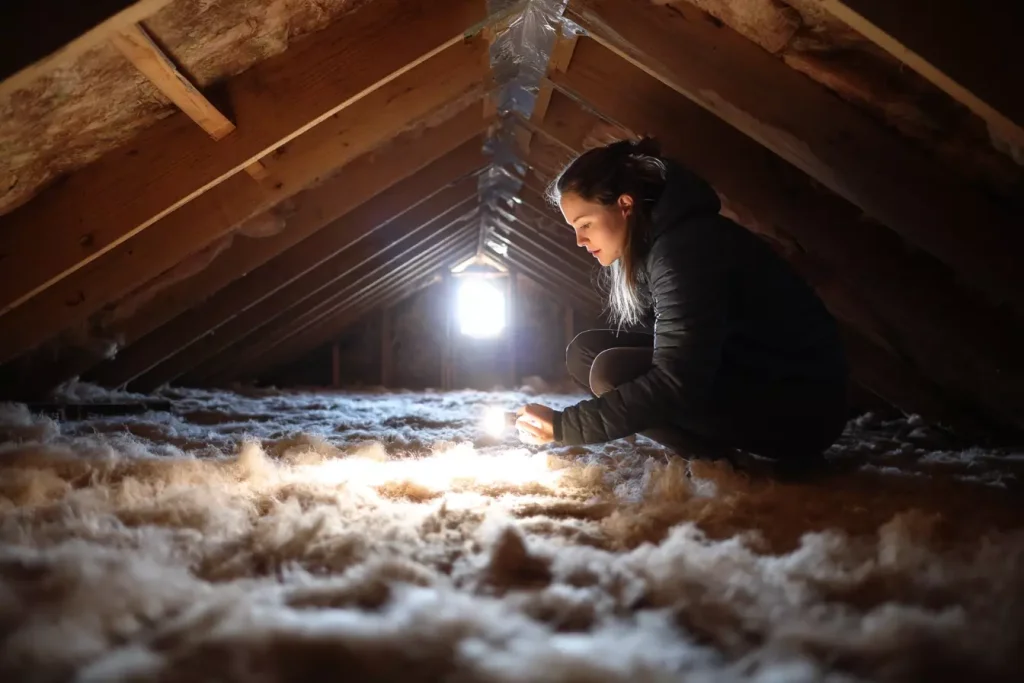
Bulk insulation works by trapping millions of tiny air pockets that slow heat transfer. CSIRO research shows that properly installed bulk insulation can retain over 95% of its R-value when kept dry and uncompressed. Common materials include:
Glass Wool (Fibreglass)
- Made from recycled glass (up to 80%)
- Non-combustible (BAL-FZ rated)
- Excellent acoustic properties
- Requires protective gear during installation
Polyester
- Non-irritant and safer to handle
- Made from recycled PET bottles
- Slightly lower R-value than fibreglass
- More expensive but easier DIY option
Reflective Insulation: Foil and Sarking
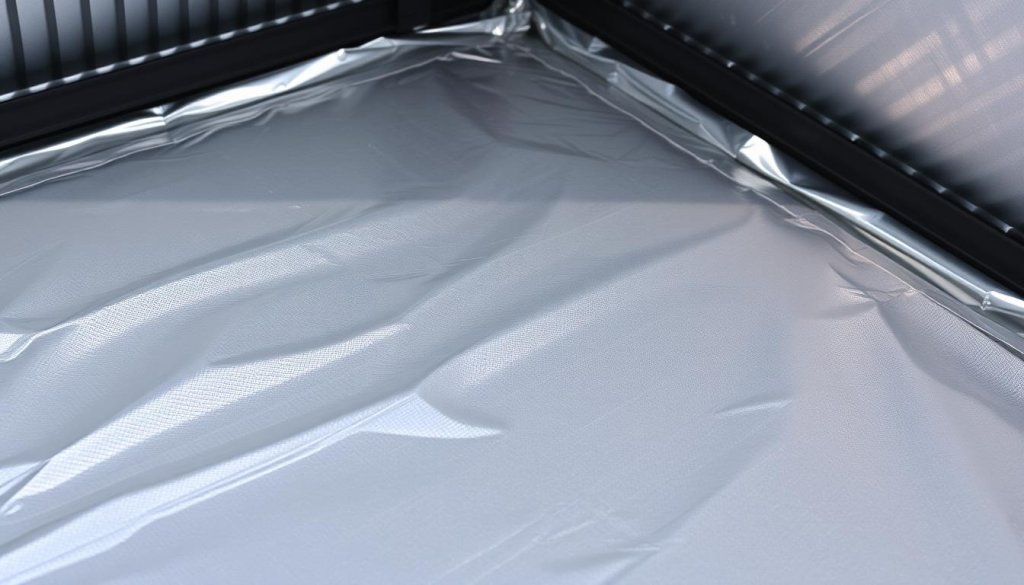
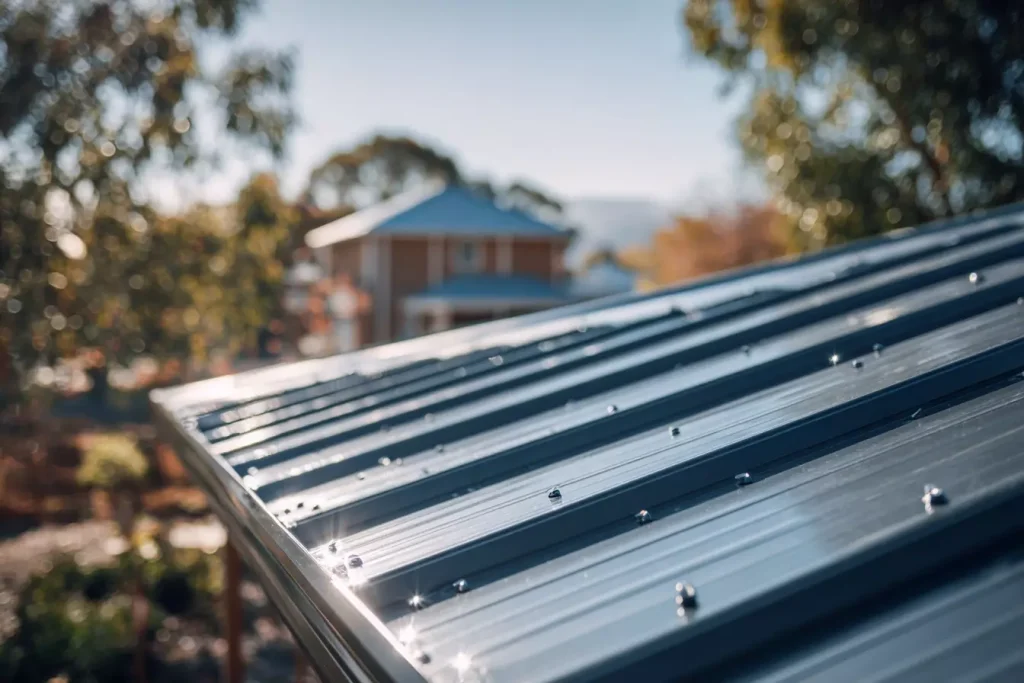
Reflective foil insulation works differently from bulk insulation by reflecting radiant heat away from your home. It’s particularly effective in hot climates where reducing heat gain is the priority. According to ABCB guidelines, reflective insulation requires an air gap of at least 25mm to achieve its rated R-value.
Roof sarking serves multiple purposes beyond thermal performance:
- Reflects up to 95% of radiant heat
- Creates a secondary water barrier
- Reduces condensation risk
- Mandatory in many bushfire-prone areas
High-Performance Options: PIR Boards and Spray Foam
For maximum thermal efficiency, especially in limited spaces, polyisocyanurate (PIR) boards and spray foam insulation offer the highest R-values per unit thickness. These premium options are increasingly popular for energy-efficient new builds and major renovations.
Advantages of Spray Foam
- Creates seamless air barrier
- Fills irregular spaces and gaps
- Adds structural rigidity
- Excellent moisture control
Limitations of Spray Foam
- Highest cost option
- Requires professional installation
- Difficult to modify later
- Some types emit VOCs during curing
NCC 2022 Requirements: Meeting Australian Standards
The National Construction Code (NCC) 2022 has updated energy efficiency provisions that directly impact roof insulation requirements. All new builds and major renovations must comply with these standards, which vary by climate zone. The ABCB NCC energy provisions specify minimum R-values based on your location:
Australia’s 8 climate zones and their corresponding minimum roof insulation R-values
| Climate Zone | Major Cities | Minimum Roof R-value | Recommended Insulation Type |
| Zone 1 (tropical) | Darwin, Cairns | R4.1 | Reflective foil + bulk insulation |
| Zone 2 (subtropical) | Brisbane, Townsville | R4.1 | Reflective foil + bulk insulation |
| Zone 3 (hot arid) | Alice Springs | R4.1 | Reflective + high-density bulk |
| Zone 4 (warm temperate) | Perth, Sydney (west) | R4.6 | Combined system |
| Zone 5 (warm temperate) | Sydney, Adelaide | R4.6 | Combined system |
| Zone 6 (mild temperate) | Melbourne, Perth (hills) | R5.1 | High-density bulk insulation |
| Zone 7 (cool temperate) | Canberra, Hobart | R6.3 | High-density bulk + air gap |
| Zone 8 (alpine) | Thredbo, Falls Creek | R6.3 | Maximum bulk + reflective |
All insulation products must comply with Australian Standard AS 4859.1, which specifies testing methods and labeling requirements. This ensures the R-values claimed by manufacturers are accurate and consistent. When selecting insulation, always check for compliance with this standard and the appropriate fire ratings for your building classification.
Cool Roof Technologies: Beyond Traditional Insulation
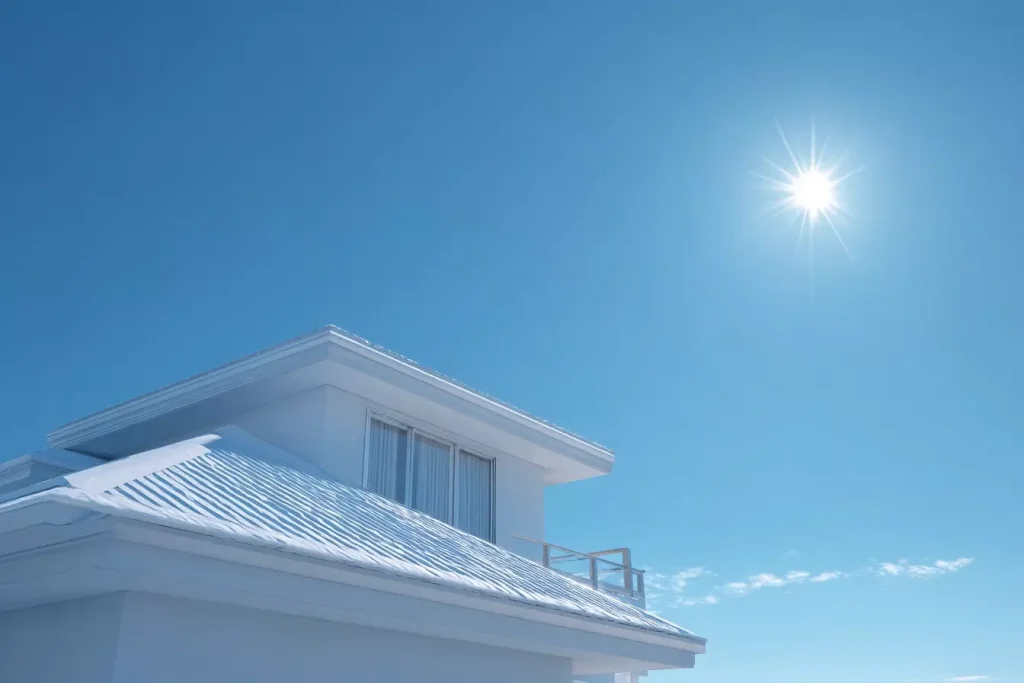
Cool roof technologies work alongside insulation to further enhance energy efficiency. These systems reflect more sunlight and absorb less heat than standard roofing materials, reducing roof surface temperatures by up to 30°C during peak summer conditions.
Thermal imaging comparison: Standard dark roof vs. cool roof technology
High-SRI Roofing Materials
Solar Reflectance Index (SRI) measures a material’s ability to reject solar heat. High-SRI coatings like BlueScope’s Thermatech technology can reflect up to 70% of solar radiation, significantly reducing cooling loads. According to Energy.gov.au, cool roofing can reduce cooling energy costs by 7-15% in single-story buildings.
Colorbond Thermatech Technology
Colorbond steel with Thermatech technology incorporates special reflective pigments that increase solar reflectance without limiting color choices. This Australian innovation works effectively across the entire color range, even in darker shades, making it suitable for design-conscious homeowners and heritage properties.
Ventilated Roof Systems
Strategic roof ventilation works synergistically with insulation to improve energy efficiency. Properly designed ventilation systems create a chimney effect that draws hot air out of the roof cavity, reducing heat buildup and extending the life of your insulation materials.
Key ventilation components include:
- Ridge vents at the roof peak
- Soffit vents at the eaves
- Whirlybirds or powered extractors
- Smart vents with temperature sensors
For maximum efficiency, pair ventilation with a cool roof system and appropriate insulation for your climate zone.
Installation Best Practices: Getting It Right
Proper installation is crucial for insulation performance. Even small gaps can reduce efficiency by up to 50%, according to Your Home Australia. Follow these workflows for optimal results:
Step-by-step installation process for comprehensive roof insulation
New Build Installation Workflow
- Install roof sarking/reflective foil directly under roofing material
- Ensure 25-40mm air gap between sarking and insulation
- Install bulk insulation between ceiling joists or rafters
- Seal all penetrations (downlights, vents, exhausts)
- Install ventilation components as specified
- Complete final inspection for gaps or compression
Retrofit Installation Considerations
Retrofitting insulation to existing homes presents unique challenges but can still deliver excellent results. The Sustainability Victoria retrofit guide recommends:
- Assess existing insulation condition and R-value
- Check for moisture issues and electrical hazards
- Consider blow-in options for difficult access areas
- Upgrade downlights to IC-rated LED fixtures
- Install roof ventilation simultaneously
Safety First: Always turn off electricity when working near electrical components. Wear appropriate PPE including respiratory protection, gloves, and eye protection. In hot weather, work during cooler morning hours to avoid heat stress in roof spaces.
Cost Analysis and Return on Investment
While energy-efficient roofing and insulation require upfront investment, the long-term savings are substantial. According to Energy.gov.au, proper roof insulation can reduce heating and cooling costs by 20-30%.
ROI timeline for insulation investments across Australian climate zones
Typical Costs and Payback Periods
| Insulation Type | Average Cost (180m² home) | Annual Savings | Payback Period |
| Basic ceiling batts (R4.0) | $1,800-$2,500 | $300-$450 | 4-7 years |
| Premium ceiling + sarking | $3,000-$4,500 | $450-$600 | 5-8 years |
| Complete system with cool roof | $5,000-$8,000 | $600-$900 | 6-10 years |
| High-performance spray foam | $7,000-$12,000 | $700-$1,100 | 7-12 years |
A $3,000 insulation upgrade in Adelaide typically cuts cooling costs by 35% according to SA.gov.au, with payback in 4-7 years. Beyond energy savings, consider additional benefits:
- Increased property value (3-5% for high-efficiency homes)
- Improved comfort and livability
- Reduced carbon footprint
- Potential eligibility for rebates and incentives
For maximum ROI, consider combining insulation with solar-integrated roofing systems that generate electricity while protecting your home.
Maintenance Tips for Long-Term Performance
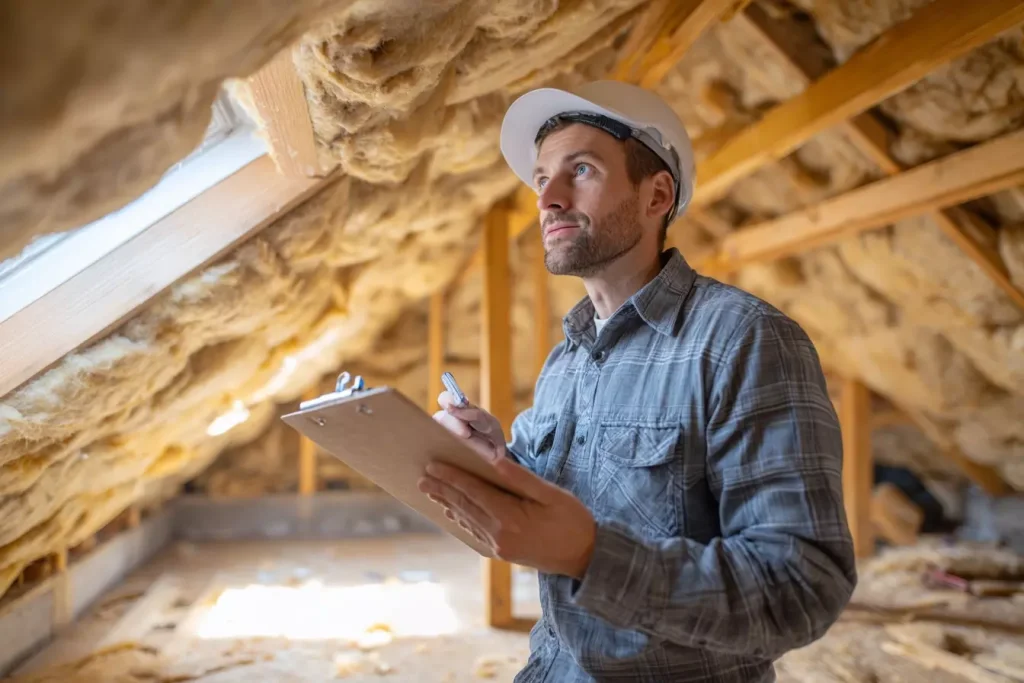
Proper maintenance ensures your roof insulation continues performing effectively for decades. Establish a regular inspection routine to identify and address issues before they compromise energy efficiency.
Seasonal Inspection Checklist
- Check for water stains or moisture damage
- Inspect for pest activity or nesting materials
- Ensure ventilation outlets remain unobstructed
- Verify that insulation hasn’t shifted or compressed
- Reseal any gaps around penetrations
- Confirm exhaust fans vent properly to outside
If you notice significant moisture issues, consult a professional immediately. According to CSIRO research, wet insulation can lose up to 80% of its thermal resistance and create conditions for mold growth.
Pro Tip: Take dated photos during your annual inspection to track any changes in insulation condition over time. This documentation can be valuable for warranty claims and maintenance planning.
Frequently Asked Questions
Does roof insulation help in tropical climates?
Yes – reflective foil insulation in Darwin (Zone 1) reduces attic temperatures by 10-15°C during the wet season. The key in tropical climates is combining reflective insulation with proper ventilation to manage humidity. Research from James Cook University shows that homes in tropical Queensland with well-designed roof insulation systems use up to 40% less energy for cooling compared to uninsulated homes.
How long does roof insulation last?
Quality roof insulation properly installed in Australian conditions typically lasts 20-80 years depending on the material. Fibreglass and mineral wool batts generally last 20-30 years, while spray foam and PIR boards can last 50+ years. The main factors affecting longevity are moisture exposure, compression, and pest activity. Regular inspections can help identify issues before they compromise performance.
Can I install roof insulation myself?
While DIY installation of ceiling batts is possible for physically capable homeowners, professional installation is recommended for optimal performance. Working in roof spaces carries risks including electrical hazards, heat stress, and falls. Additionally, professional installers ensure proper coverage, minimal gaps, and compliance with Australian standards. If attempting DIY, always follow safety guidelines from WorkSafe and never compress insulation to fit tight spaces.
What’s the difference between R-value and Total R-value?
The R-value measures a material’s thermal resistance, while Total R-value (or System R-value) accounts for the entire roof assembly including air films, gaps, and thermal bridging. NCC requirements refer to Total R-values. For example, R4.0 batts might achieve a Total R-value of only R3.2 when installed between timber rafters due to thermal bridging. Always ensure your insulation system meets the Total R-value requirements for your climate zone.
Are there government rebates for roof insulation?
Yes, several Australian states offer energy efficiency rebates that can offset insulation costs. The Australian Government Energy website maintains a current database of available incentives. Additionally, some local councils offer sustainable home programs with subsidies for insulation upgrades. These programs typically require using accredited installers and products that meet minimum performance standards.
Conclusion: Investing in Comfort and Efficiency
Energy-efficient roofing insulation represents one of the most cost-effective improvements you can make to your Australian home or building. With proper selection, installation, and maintenance, a quality insulation system will deliver decades of energy savings while enhancing comfort and reducing environmental impact.
By understanding the specific requirements for your climate zone and building type, you can make informed decisions that optimize both performance and value. Whether you’re building new, renovating, or simply upgrading your existing insulation, the principles outlined in this guide will help you achieve the best possible results.
Ready to Improve Your Home’s Energy Efficiency?
Take the next step toward a more comfortable, energy-efficient home. Our experts can help you identify the right insulation solution for your specific needs and climate zone.
Book Your Free Roof Insulation AssessmentDownload R-Value Checklist
How to Reduce Metal Roof Rain Noise: 3 Expert-Backed Solutions
Read More »Preserving History: A Heritage Roof Restoration Case Study in Sydney
Read More »Solar‑Integrated Roofing in Australia: The Complete 2025 Guide for Homeowners, Builders & Roofing Pros
Read More »At Roofs.com.au, we are dedicated to providing top-quality roofing services across Australia. With years of experience in the roofing industry, we have earned a reputation for delivering reliable, efficient, and high-quality roofing solutions.
Navigation
Get in Touch
We’d love to hear from you! Whether you need a roof inspection, a free quote, or emergency roof repairs, our team is ready to assist you. Please visit our Contact Page to get in touch with us.
Contact Us Copyright © Roofs.com.au. All Rights Reserved.Roofs.com.au
REQUEST A QUOTE
At Roofs.com.au, we take pride in being responsive, reliable, and ready to solve all your roofing needs. Simply complete the form & one of our team member will be in contact with you shortly.
Request a QuoteRoofs.com.au
Submit your interest
Submit your interest using the form below. We will review your details and get back to you.
Images on This Page
-
https://roofs.com.au/wp-content/uploads/2025/05/roofs.com_.au-logo.png
(no alt text)
-
https://roofs.com.au/wp-content/uploads/2025/07/Worker-installing-bulk-glass-wool-batts-in-an-Australian-roof-cavity-for-energy‑efficient.jpeg
Worker installing bulk glass wool batts in an Australian roof cavity for energy‑efficient roofing insulation
-
https://roofs.com.au/wp-content/uploads/2025/07/Reflective-foil-insulation-being-installed-under-metal-roofing-in-Australia-1024x585.jpeg
Reflective foil insulation being installed under metal roofing in Australia
-
https://roofs.com.au/wp-content/uploads/2025/07/image-67-1024x683.webp
(no alt text)
-
https://roofs.com.au/wp-content/uploads/2025/07/image-68-1024x683.webp
(no alt text)
-
https://roofs.com.au/wp-content/uploads/2025/07/image-69-1024x683.webp
(no alt text)
-
https://roofs.com.au/wp-content/uploads/2025/07/image-70-1024x683.webp
(no alt text)
-
https://roofs.com.au/wp-content/uploads/2025/07/image-71-1024x683.webp
(no alt text)
-
https://roofs.com.au/wp-content/uploads/2025/07/image-72-1024x683.webp
(no alt text)
-
https://roofs.com.au/wp-content/uploads/2025/07/image-73-1024x683.webp
(no alt text)
-
https://roofs.com.au/wp-content/uploads/2025/09/image-7.webp
(no alt text)
-
https://roofs.com.au/wp-content/uploads/2025/08/image.webp
(no alt text)
-
https://roofs.com.au/wp-content/uploads/2025/07/Solar‑integrated-roofing-Australia-installation-on-a-modern-home.jpeg
Solar‑integrated roofing Australia installation on a modern home
-
https://roofs.com.au/wp-content/uploads/2024/07/roofs.com_.au-logo-2.png
(no alt text)