Solar‑Integrated Roofing in Australia: The Complete 2025 Guide for Homeowners, Builders & Roofing Pros
- July 11, 2025
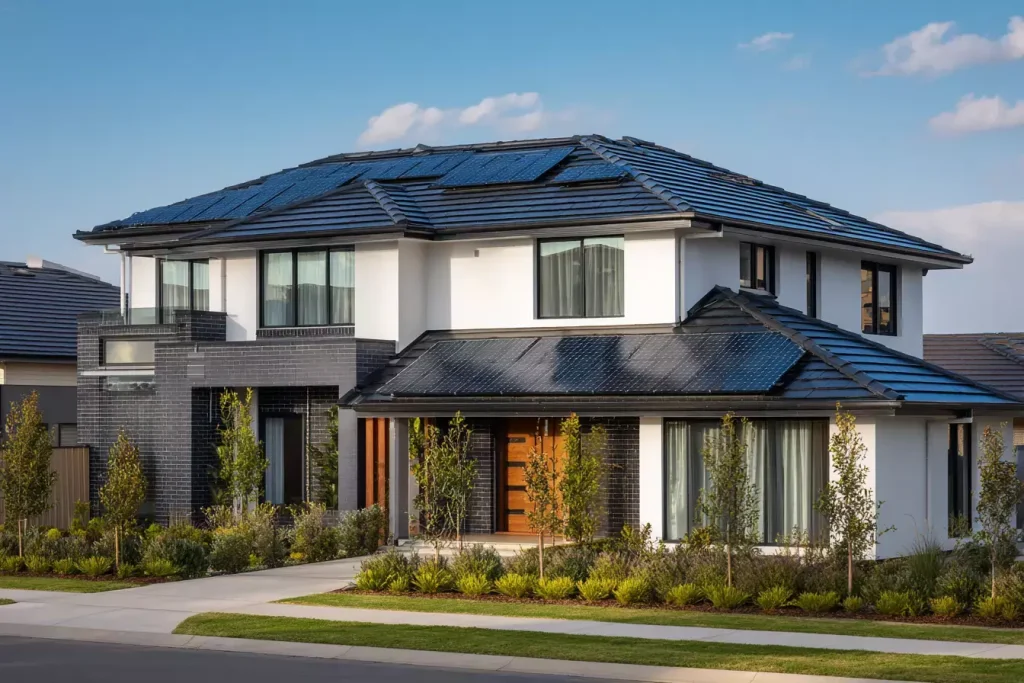
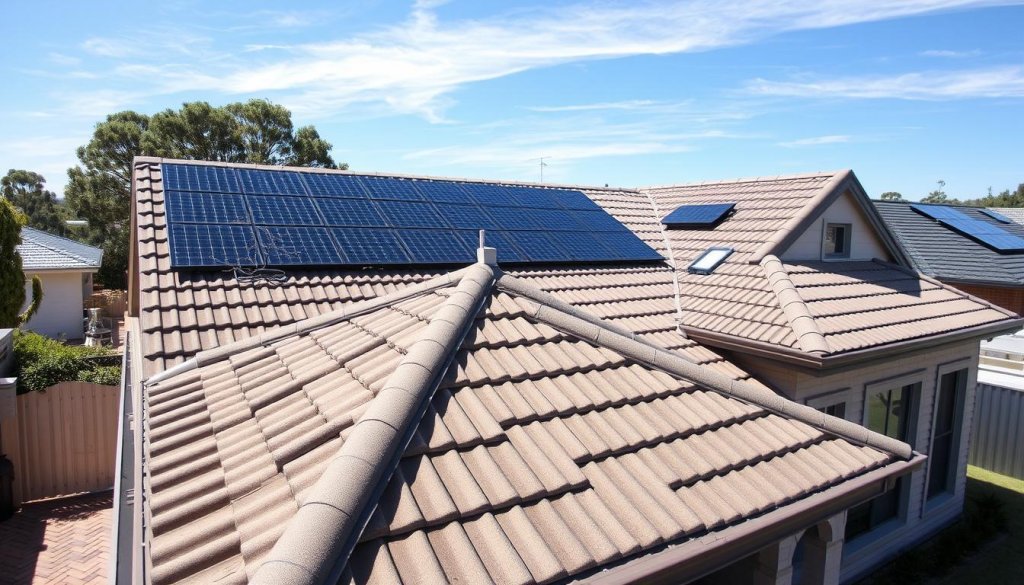
Looking for a seamless way to power your home with renewable energy? Solar‑integrated roofing Australia solutions are revolutionising how we think about residential energy generation. Unlike traditional bolt-on panels, these innovative systems blend directly into your roof’s design, offering superior aesthetics while harnessing the sun’s power. This comprehensive guide covers everything you need to know about solar roof tiles and integrated PV systems available in the Australian market today.
What Is Solar‑Integrated Roofing?
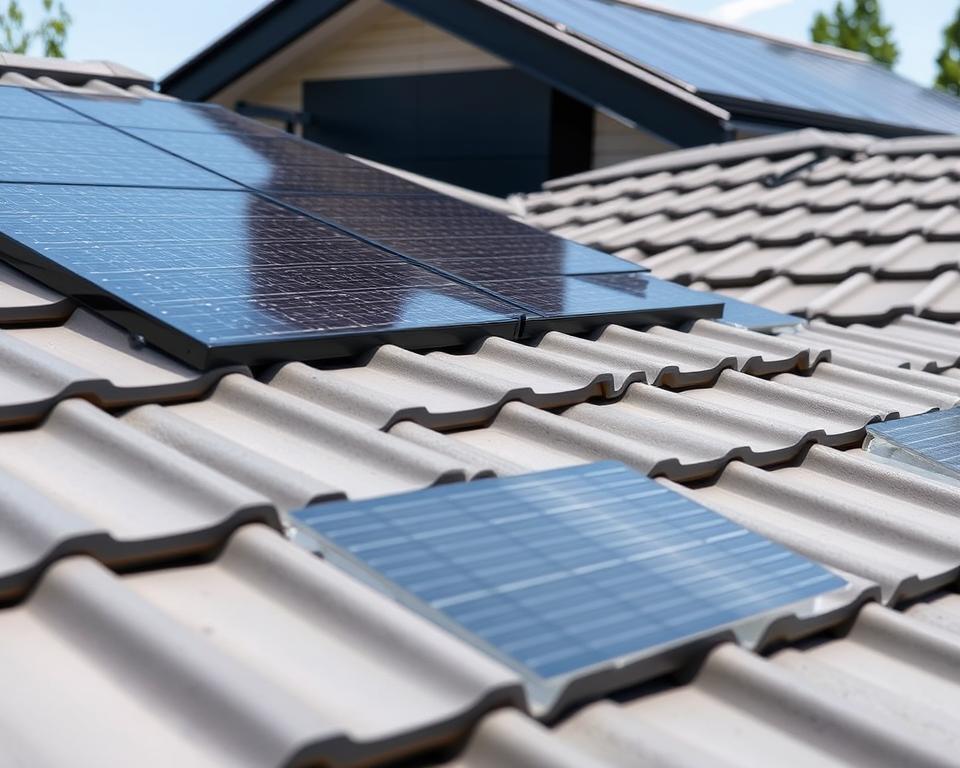
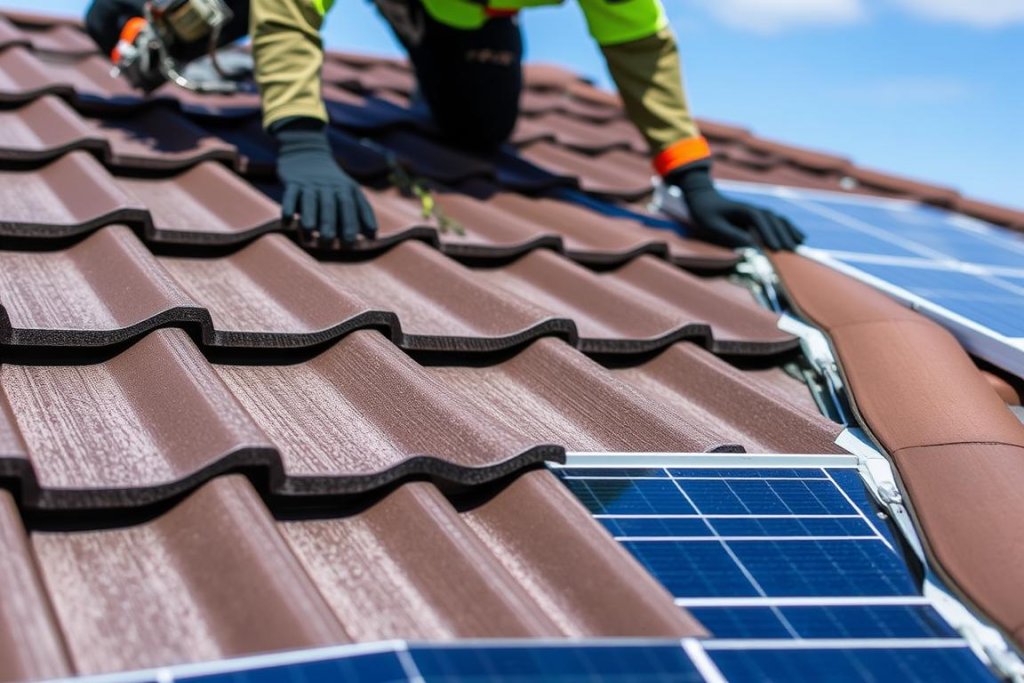
Solar‑integrated roofing represents the next evolution in residential solar technology. Unlike traditional solar panel systems that mount on top of existing roofing materials, integrated solutions replace conventional roofing materials entirely. These systems function both as your primary roof covering and as solar energy generators.
Traditional Solar Panels
- Mounted on rails above existing roof
- Visibly protrude from roofline
- Require drilling into roof structure
- Typically higher efficiency per square metre
- Lower upfront cost
Integrated Solar Roofing
- Replaces traditional roofing materials
- Sits flush with roofline for sleek appearance
- Becomes part of the waterproof roof structure
- Dual functionality as roof and power generator
- Higher aesthetic value and home resale potential
According to the CSIRO’s PV research, integrated solar solutions are gaining popularity in Australia, particularly for new builds and complete roof replacements where the dual functionality provides significant value.
Benefits of Solar‑Integrated Roofing for Australian Homes
Advantages
- Superior Aesthetics: Seamless integration with your roof design
- Dual Functionality: Serves as both roofing material and power generator
- Enhanced Durability: Many systems offer better weather resistance than traditional tiles
- Increased Home Value: Adds premium appeal for resale
- Bushfire Compliance: Many options meet AS 3959 standards for bushfire-prone areas
- No Possums or Vermin: Eliminates spaces where animals can nest (unlike raised panels)
- Reduced Wind Noise: No gaps for wind to create noise
Considerations
- Higher Upfront Cost: Generally more expensive initially than traditional panels
- Lower Efficiency: Typically less efficient per square metre than premium panels
- Installation Complexity: Requires specialized expertise for proper installation
- Limited Retrofitting: Best suited for new builds or complete roof replacements
- Product Availability: Fewer options currently available in the Australian market
Research from Clean Energy Regulator shows that homes with integrated solar solutions can increase property values by up to 4.1%, significantly higher than the 2-3% increase typically seen with traditional solar panel installations.
2025 Costs and ROI for Solar‑Integrated Roofing Australia
| System Type | Average Cost (6kW system) | Estimated ROI Period | Eligible for Rebates |
| Traditional Solar Panels | $5,000 – $8,000 | 3-5 years | Yes (full STC rebates) |
| Solar Roof Tiles | $15,000 – $25,000 | 7-10 years | Yes (full STC rebates) |
| Full Solar Roof | $30,000 – $50,000 | 10-15 years | Yes (full STC rebates) |
Available Rebates and Incentives in 2025
Solar‑integrated roofing systems qualify for the same government incentives as traditional solar panels. The Small-scale Renewable Energy Scheme (SRES) provides Small-scale Technology Certificates (STCs) that can significantly reduce upfront costs.
STC Rebate Value: Approximately $500-$600 per kW installed (as of 2025)
Example: A 6kW solar roof system could receive around $3,000-$3,600 in rebates
State-Specific Incentives: Additional rebates available in Victoria, NSW, and South Australia
When calculating ROI, consider that integrated solar roofing replaces your conventional roofing materials, potentially saving $10,000-$20,000 on a new roof installation. This effectively reduces the premium paid for the solar functionality when building new or replacing an aging roof.
Calculate Your Potential Savings
Leading Solar‑Integrated Roofing Products Available in Australia
The Australian market offers several high-quality solar‑integrated roofing options in 2025. Each system has unique features, aesthetics, and performance characteristics to suit different architectural styles and energy needs.
| Product | Type | Efficiency | Warranty | Best For | Price Range (per m²) |
| Monier SOLARtile | Terracotta-style solar tiles | 15-17% | 25 years performance, 10 years product | Traditional Australian homes | $800-$1,000 |
| Tractile Solar | Integrated PV & thermal | 17-19% | 30 years performance, 15 years product | Luxury homes, hot water needs | $1,200-$1,500 |
| GoodWe Sunshine Tile | Low-profile solar tiles | 16-18% | 25 years performance, 12 years product | Modern designs, retrofits | $700-$900 |
| Nulok Solar | Slate-look solar shingles | 15-16% | 25 years performance, 10 years product | Heritage-style homes | $900-$1,100 |
| Colorbond Solar | Metal roof integrated PV | 18-20% | 25 years performance, 15 years product | Rural & contemporary homes | $600-$800 |
Featured Product: Monier SOLARtile
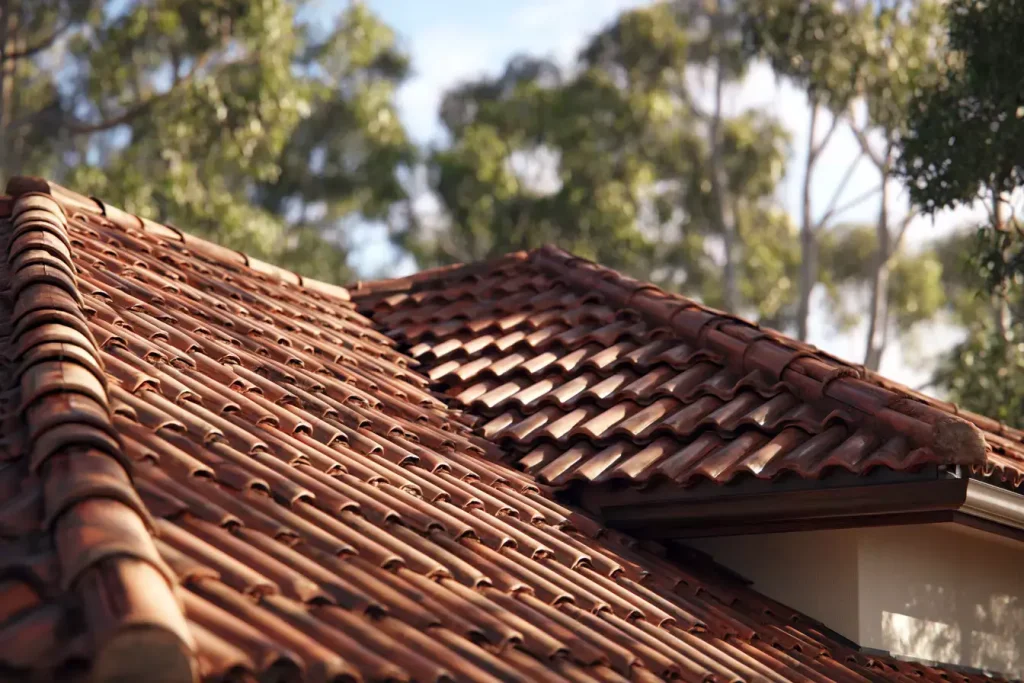
Monier SOLARtile represents one of Australia’s most established integrated solar solutions, combining the familiar terracotta aesthetic beloved in Australian suburbs with efficient solar technology. These tiles integrate seamlessly with standard Monier roofing products, allowing for partial roof coverage that blends perfectly with non-solar sections.
The system is particularly well-suited to new builds and complete roof restoration projects. With an efficiency rating of 15-17%, these tiles offer a balance of performance and aesthetics that appeals to homeowners concerned about maintaining their home’s character while embracing renewable energy.
Featured Product: Tractile Solar
Tractile offers a premium solar and thermal integrated roofing system that generates both electricity and hot water. This dual-function technology maximizes energy harvesting from your roof space, making it particularly valuable for homes with high hot water demands.
The system’s high-end aesthetic makes it popular for architect-designed homes and luxury properties. While the upfront cost is higher than other options, the dual energy generation capability can significantly improve the overall return on investment, especially when paired with proper roof insulation to maximize energy efficiency.
Not sure which system is right for your home?
Our solar roofing experts can help you compare options and find the perfect match for your energy needs, budget, and architectural style.
Request Expert Advice
Climate Considerations for Solar‑Integrated Roofing in Australia
Australia’s diverse climate zones present unique challenges for solar‑integrated roofing systems. From cyclone-prone northern regions to bushfire-susceptible areas and salt-spray coastal environments, your location significantly impacts which system will perform best long-term.
Cyclone Regions
For homes in cyclone-prone northern Australia, wind rating is crucial. Look for systems tested to withstand Category 4-5 cyclonic conditions. Tractile and Colorbond Solar systems offer some of the highest wind resistance ratings, with testing showing they can withstand winds up to 275km/h.
Bushfire Zones
Homes in bushfire-prone areas require BAL (Bushfire Attack Level) compliant roofing. Most premium solar roof systems meet AS 3959 standards for bushfire resistance, with Monier SOLARtile and Nulok Solar achieving BAL-40 ratings, suitable for high-risk areas. Always verify specific BAL compliance for your location.
Coastal Environments
Salt spray can accelerate corrosion in coastal areas. For homes within 5km of the coast, select systems with marine-grade components and enhanced corrosion resistance. Colorbond Solar and Tractile offer specific coastal variants with additional protective coatings and sealed electronics.
The CSIRO’s climate resilience research indicates that properly selected and installed solar‑integrated roofing can actually enhance a home’s resistance to extreme weather events compared to traditional roofing materials, providing both sustainability and increased structural integrity.
Installation Process and Timelines
New Build Installation
- Design & Planning: 2-4 weeks for system design, energy modeling, and approvals
- Roof Structure Preparation: Integrated with standard roof framing timeline
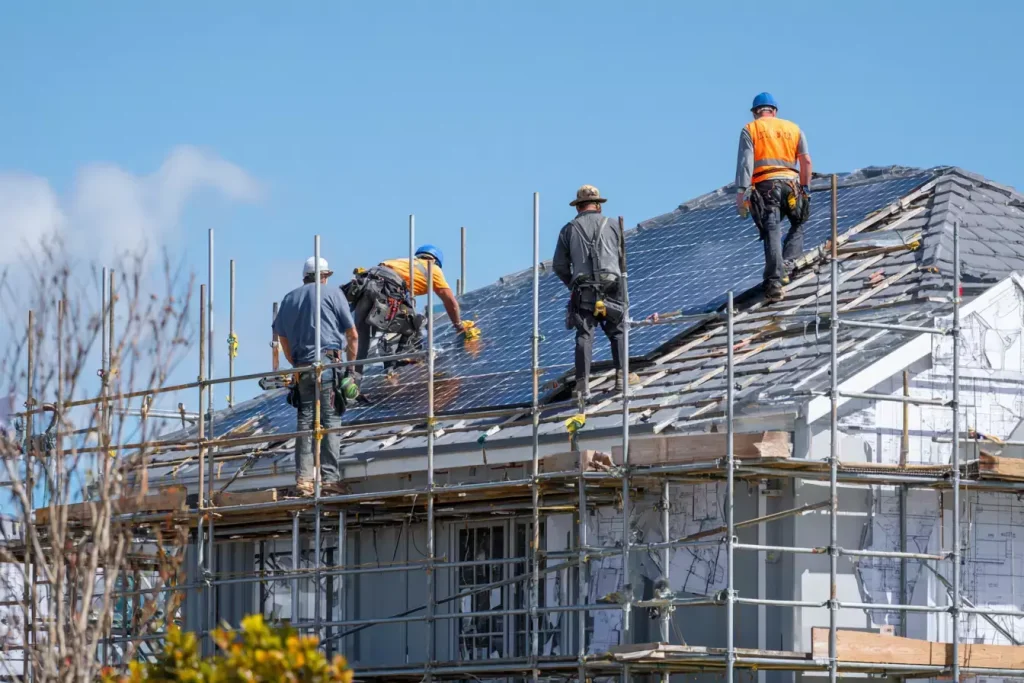
- Solar Roof Installation: 3-5 days for a typical home (130-170m²)
- Electrical Integration: 1-2 days for inverter installation and grid connection
- Inspection & Commissioning: 1 day for testing and certification
Total Timeline: Integrated with overall build schedule, typically adding 0-2 weeks to standard construction time
Retrofit Installation
- Assessment & Design: 2-4 weeks for roof assessment, system design, and approvals
- Roof Removal: 1-2 days to remove existing metal roofing or tiles
- Structural Reinforcement: 1-3 days if additional support is required
- Solar Roof Installation: 4-7 days for a typical home (130-170m²)
- Electrical Integration: 1-2 days for inverter installation and grid connection
- Inspection & Commissioning: 1 day for testing and certification
Total Timeline: 3-5 weeks from start to finish, weather permitting
Installation Best Practices
- Always use CEC (Clean Energy Council) accredited installers with specific training in your chosen system
- Schedule installation during drier months when possible to minimize weather delays
- Ensure your installer provides comprehensive documentation for warranty and rebate purposes
- Consider temporary roofing protection if the installation spans multiple days
- Request a detailed maintenance plan and monitoring system setup before completion
Maintenance and Monitoring
Maintenance Requirements
Solar‑integrated roofing systems generally require minimal maintenance compared to traditional solar panels. The flush design reduces debris accumulation and eliminates the need to clean under panels where leaves and other materials often collect.
Recommended Maintenance Schedule:
- Visual Inspection: Twice yearly
- Professional Cleaning: Every 12-18 months (more frequently in dusty areas)
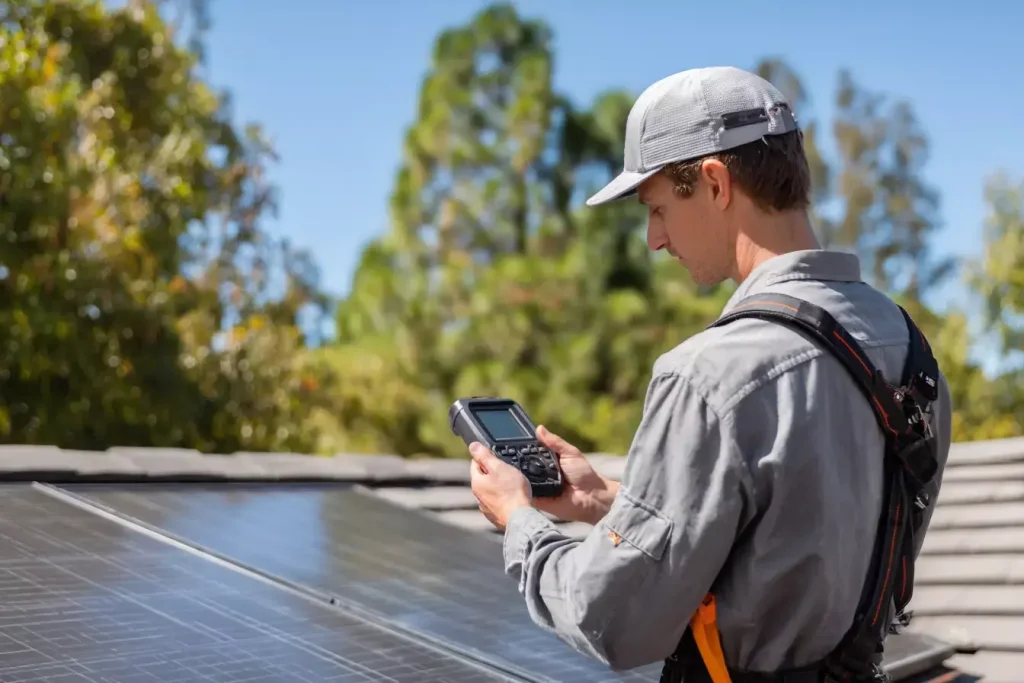
- Electrical System Check: Annually by qualified technician
- Inverter Inspection: As per manufacturer guidelines (typically annually)
Smart Monitoring Solutions
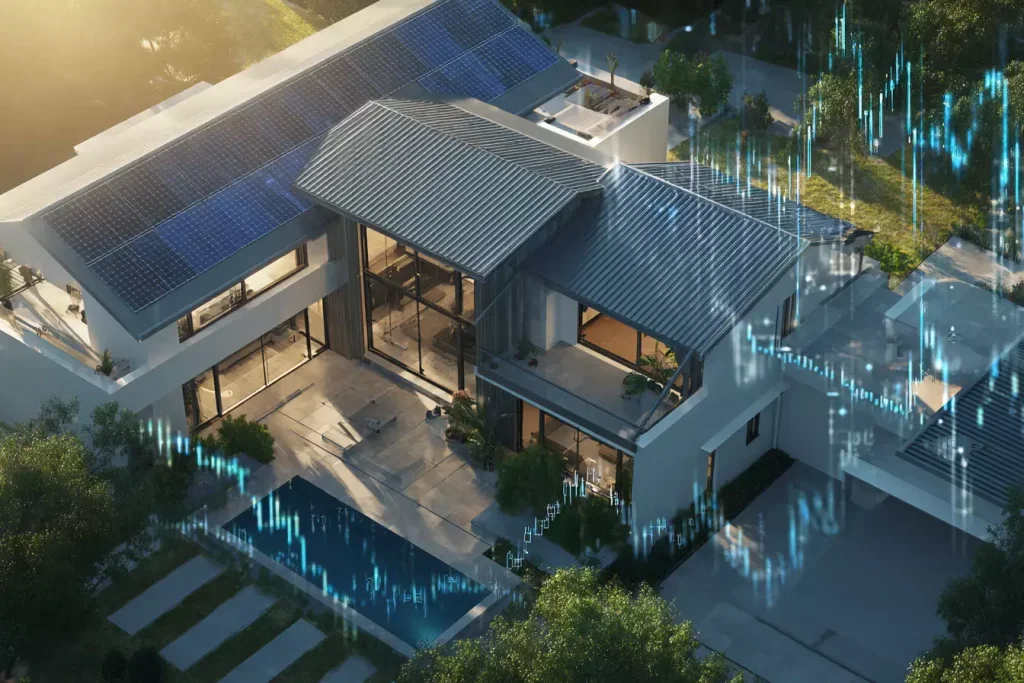
Modern solar‑integrated roofing systems come with sophisticated monitoring technology that provides real-time performance data and alerts for any issues.
Key Monitoring Features:
- Per-Tile Monitoring: Identifies underperforming sections
- Mobile Apps: Track generation and consumption on your smartphone
- Predictive Maintenance: AI-powered systems that predict potential issues
- Weather Integration: Adjusts expectations based on forecast conditions
- Export Management: Optimizes grid export to maximize feed-in tariff benefits
Frequently Asked Questions
How do solar roof tiles compare to traditional solar panels in efficiency?
Solar roof tiles typically have efficiency ratings of 15-20%, while premium traditional solar panels can reach 20-22%. This slight efficiency gap is narrowing with each new generation of integrated products. However, because solar roof tiles replace your entire roofing material, you can often install them across a larger surface area than you might with traditional panels, potentially generating more total energy despite the slightly lower efficiency rating.
Can solar‑integrated roofing be installed on any roof type?
Most solar‑integrated roofing systems require specific roof pitches, typically between 15-45 degrees. They work best with standard roof framing but may require additional structural support in some cases. While they can replace most conventional roofing materials, they’re not suitable for flat roofs or extremely complex roof designs with multiple small sections. A professional assessment is recommended to determine compatibility with your specific roof.
What happens if a solar tile gets damaged?
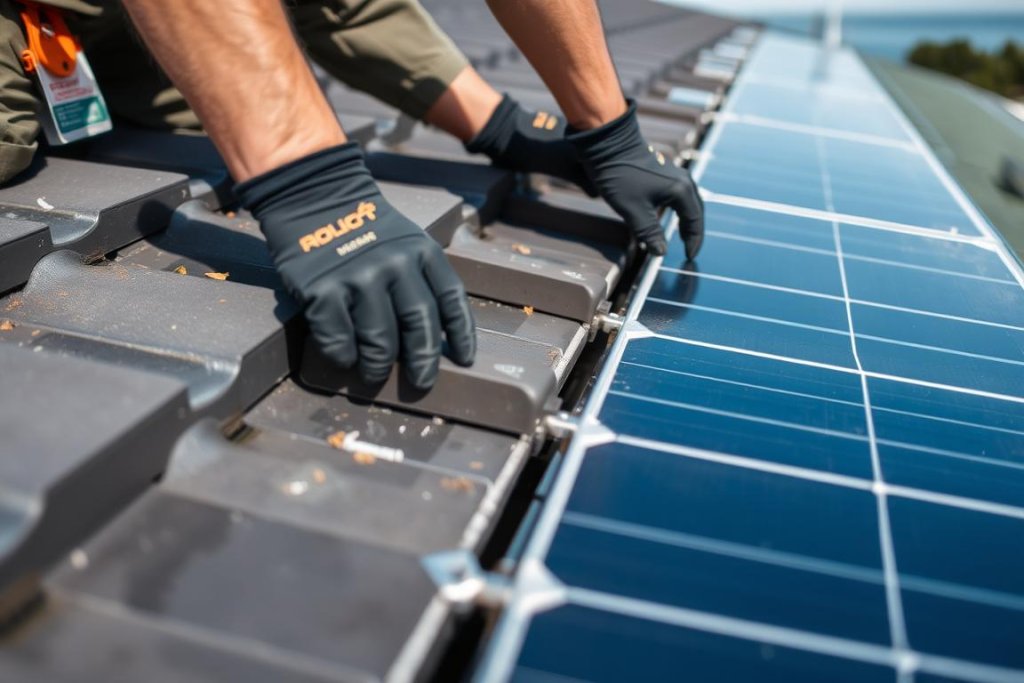
Individual solar tiles or sections can be replaced without affecting the entire system. Most manufacturers design their systems with this serviceability in mind. The replacement process is similar to replacing conventional roof tiles but should be performed by a qualified installer to ensure proper electrical disconnection and reconnection. Many premium systems also feature bypass technology that allows the rest of the roof to continue generating power even if one section is damaged.
Are solar roof tiles compatible with battery storage?
Yes, solar‑integrated roofing systems work with all standard battery storage solutions available in Australia. The DC electricity generated by solar roof tiles is converted to AC by an inverter, just like traditional solar panels. This makes them compatible with popular battery systems from manufacturers like Tesla, LG, and Sonnen. Many homeowners pair their solar roof with battery storage to maximize self-consumption and provide backup power during outages.
Do solar roof tiles increase home insurance premiums?
Most standard home insurance policies cover solar‑integrated roofing as part of the home’s structure, often without significant premium increases. However, you should notify your insurer when installing any solar system. Some insurers may actually offer discounts for homes with premium roofing materials that offer better durability and weather resistance. Always check with your specific insurance provider before installation to understand any policy implications or coverage requirements.
Is Solar‑Integrated Roofing Right for Your Australian Home?
Solar‑integrated roofing represents a significant advancement in how Australian homes can generate clean energy while maintaining aesthetic appeal. While the upfront investment is higher than traditional solar panels, the dual functionality, enhanced durability, and superior appearance make it an attractive option for new builds, major renovations, and premium properties.
As technology continues to advance and production scales up, we can expect costs to decrease and efficiency to improve further. For homeowners planning a roof replacement or new construction in the next few years, solar‑integrated roofing offers an opportunity to future-proof your home while contributing to Australia’s renewable energy transition.
Ready to explore solar‑integrated roofing for your home?
Our expert team provides comprehensive assessments to help you determine if a solar roof is right for your property. We’ll analyze your energy needs, roof condition, local climate factors, and budget to recommend the optimal solution.
Book Your Free Solar Roof Assessment Today
Slate Roofing Maintenance Australia: A Comprehensive Care Guide
Read More »7 Early Warning Signs Your Roof Needs Attention (Before It Leaks)
Read More »🏠 Essential Roof Maintenance Tips for Australian Homeowners
Read More »At Roofs.com.au, we are dedicated to providing top-quality roofing services across Australia. With years of experience in the roofing industry, we have earned a reputation for delivering reliable, efficient, and high-quality roofing solutions.
Navigation
Get in Touch
We’d love to hear from you! Whether you need a roof inspection, a free quote, or emergency roof repairs, our team is ready to assist you. Please visit our Contact Page to get in touch with us.
Contact Us Copyright © Roofs.com.au. All Rights Reserved.Roofs.com.au
REQUEST A QUOTE
At Roofs.com.au, we take pride in being responsive, reliable, and ready to solve all your roofing needs. Simply complete the form & one of our team member will be in contact with you shortly.
Request a QuoteRoofs.com.au
Submit your interest
Submit your interest using the form below. We will review your details and get back to you.
Images on This Page
-
https://roofs.com.au/wp-content/uploads/2025/05/roofs.com_.au-logo.png
(no alt text)
-
https://roofs.com.au/wp-content/uploads/2025/07/image-1024x683.webp
(no alt text)
-
https://roofs.com.au/wp-content/uploads/2025/07/Australian-home-with-solar‑integrated-roofing-showing-aesthetic-benefits.jpeg
Australian home with solar‑integrated roofing showing aesthetic benefits
-
https://roofs.com.au/wp-content/uploads/2025/07/image-1-1024x683.webp
(no alt text)
-
https://roofs.com.au/wp-content/uploads/2025/07/image-2-1024x683.webp
(no alt text)
-
https://roofs.com.au/wp-content/uploads/2025/07/Tractile-solar‑integrated-roofing-Australia-premium-installation.jpeg
Tractile solar‑integrated roofing Australia premium installation
-
https://roofs.com.au/wp-content/uploads/2025/07/Cyclone-resistant-solar‑integrated-roofing-Australia-installation-1024x683.jpeg
Cyclone-resistant solar‑integrated roofing Australia installation
-
https://roofs.com.au/wp-content/uploads/2025/07/image-3-1024x683.webp
(no alt text)
-
https://roofs.com.au/wp-content/uploads/2025/07/Coastal-solar‑integrated-roofing-Australia-installation-resistant-to-salt-spray-1024x683.jpeg
Coastal solar‑integrated roofing Australia installation resistant to salt spray
-
https://roofs.com.au/wp-content/uploads/2025/07/image-4-1024x683.webp
(no alt text)
-
https://roofs.com.au/wp-content/uploads/2025/07/image-5-1024x683.webp
(no alt text)
-
https://roofs.com.au/wp-content/uploads/2025/07/Australian-home-with-completed-solar‑integrated-roofing-installation-1024x585.jpeg
Australian home with completed solar‑integrated roofing installation
-
https://roofs.com.au/wp-content/uploads/2025/12/image-19.webp
(no alt text)
-
https://roofs.com.au/wp-content/uploads/2025/06/House-with-visible-early-warning-signs-of-roof-damage-including-missing-shingles-and-sagging.jpeg
House with visible early warning signs of roof damage including missing shingles and sagging sections
-
https://roofs.com.au/wp-content/uploads/2025/05/Essential-Roof-Maintenance-Tips.jpeg
(no alt text)
-
https://roofs.com.au/wp-content/uploads/2024/07/roofs.com_.au-logo-2.png
(no alt text)