How Green Roofs Reduce Urban Heat: A Sustainable Solution for Australian Cities
- July 30, 2025
As Australian cities continue to expand, the urban heat island effect intensifies, with concrete jungles trapping heat and raising temperatures significantly above surrounding rural areas. In Sydney, Melbourne, and Brisbane, summer temperatures in city centers can soar up to 10°C higher than in nearby suburbs. Green roofs—living vegetation systems installed atop buildings—offer a promising solution to this growing challenge, providing natural cooling through evaporation and shading while delivering numerous additional benefits for our increasingly warm urban environments.
What is a Green Roof?
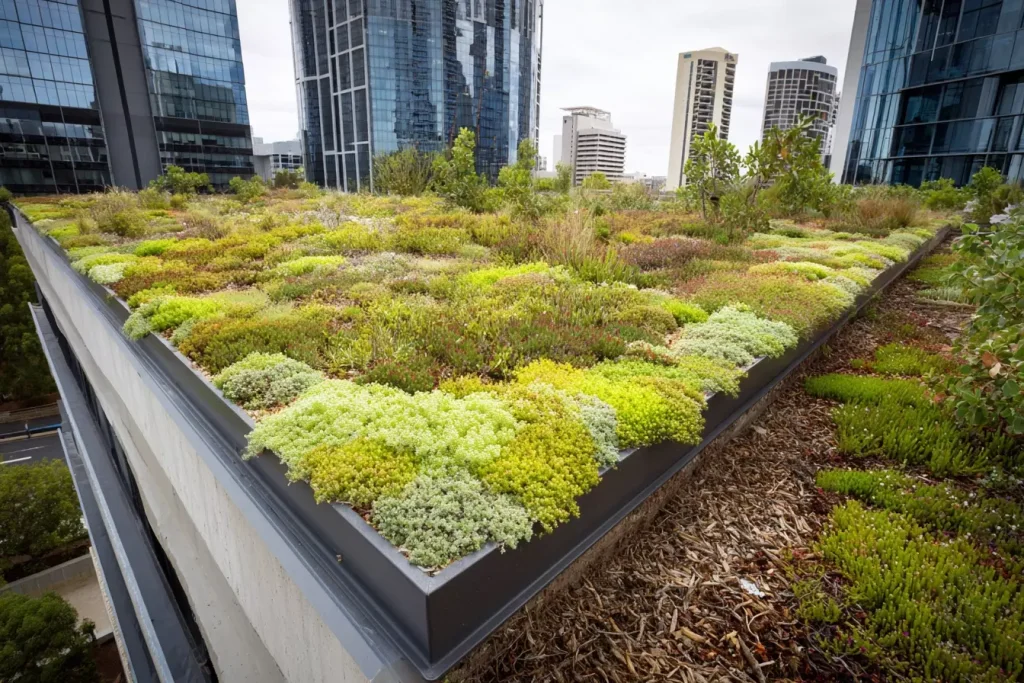
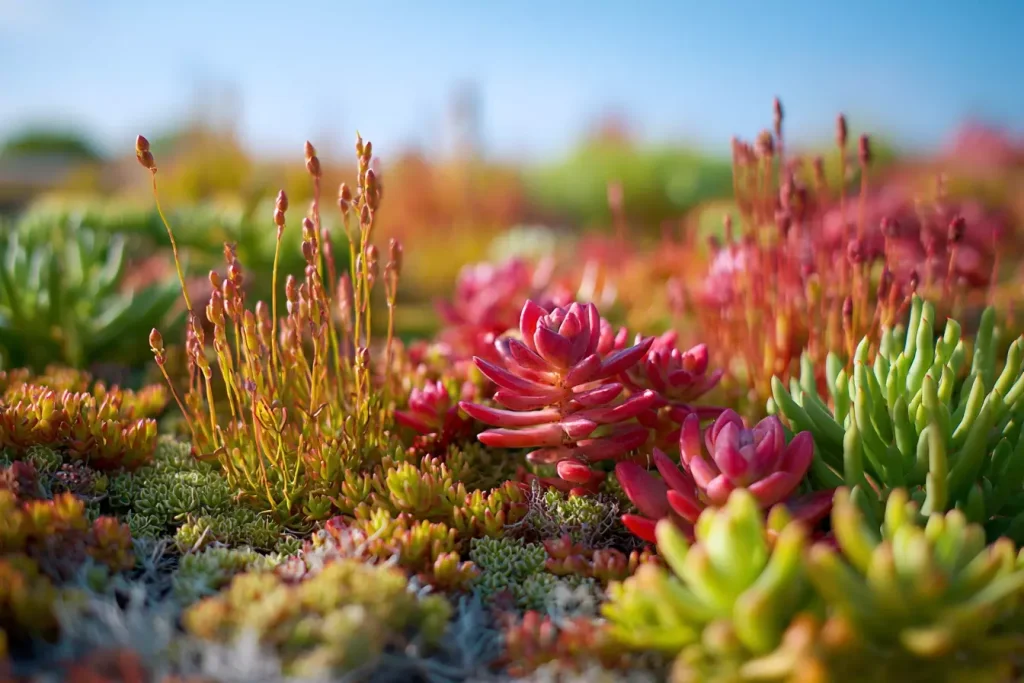
Extensive green roof featuring native Australian plants on a commercial building
Green roofs are specially designed roofing systems that support living vegetation on top of a waterproof membrane. Unlike traditional dark-coloured roofs that absorb and retain heat, green roofs actively cool buildings and their surroundings through natural processes. They’re increasingly being adopted across Australia as a sustainable approach to combating urban heat.
Types of Green Roofs
Extensive Green Roofs
Extensive green roofs feature a shallow growing medium (typically 50-150mm deep) and support hardy, low-maintenance vegetation like succulents and native grasses. These lightweight systems require minimal irrigation and maintenance, making them ideal for retrofitting existing buildings. They’re the most common type in Australia due to their practicality in our often harsh climate.
Intensive Green Roofs
Intensive green roofs have deeper soil profiles (200mm or more) and can support a wider variety of plants, including small trees and shrubs. These systems create more garden-like environments but require stronger structural support, regular maintenance, and irrigation systems. They’re often found on commercial buildings, apartment complexes, and public spaces in Australian cities.
Green Roof Structure
Cross-section of a typical green roof system showing all essential layers
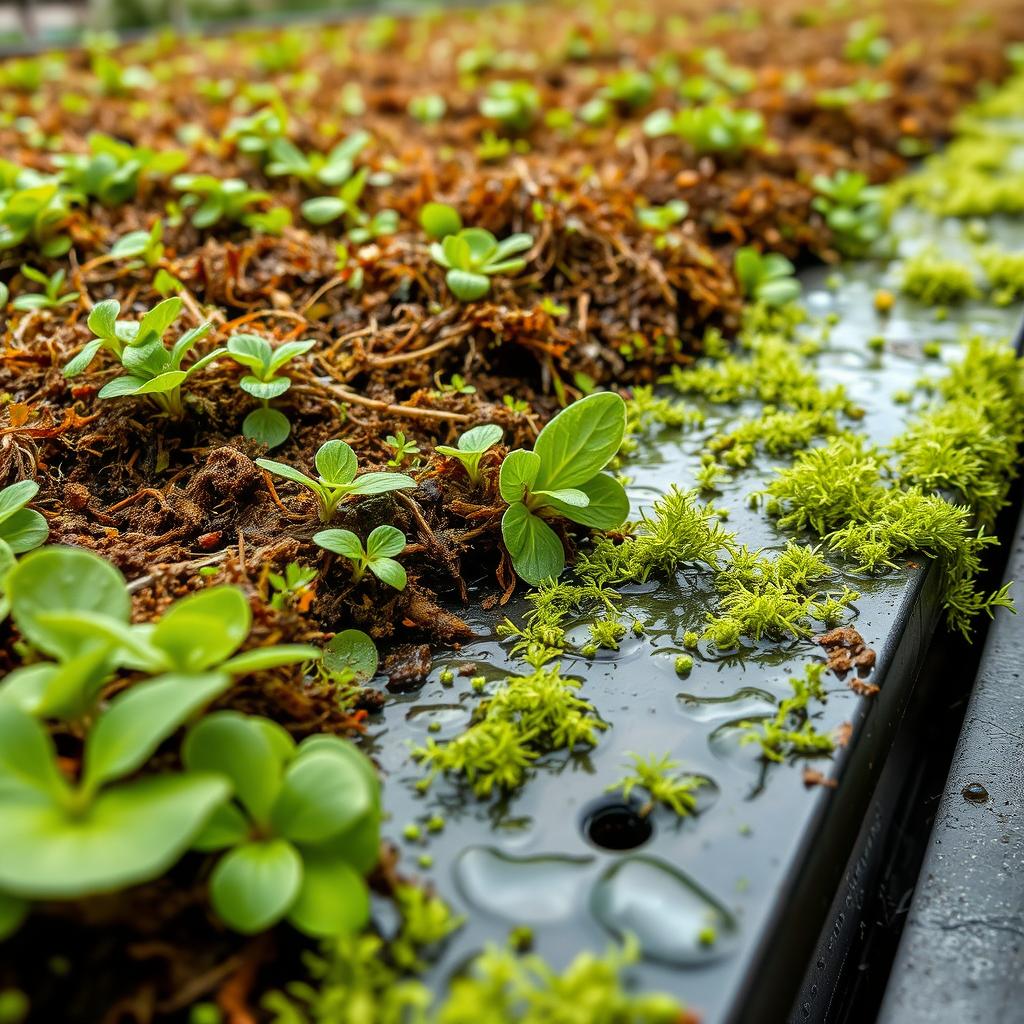
A properly designed green roof consists of several critical layers:
- Waterproofing membrane to protect the building structure
- Root barrier to prevent plant roots from damaging the waterproofing
- Drainage layer to manage excess water
- Filter fabric to prevent soil from clogging the drainage system
- Growing medium (engineered soil) tailored to support selected vegetation
- Carefully selected plants suited to the local climate
How Green Roofs Combat Urban Heat
Thermal imaging showing temperature differences between conventional and green roofs in Melbourne
Green roofs reduce urban heat through several natural mechanisms that conventional roofing materials simply cannot match. Understanding these processes helps explain why they’re so effective at cooling our cities.
Evaporative Cooling and Thermal Mass
Plants on green roofs naturally release moisture through a process called evapotranspiration. As water evaporates from plant leaves and the soil surface, it absorbs heat energy from the surrounding air, creating a natural cooling effect. Research from the University of Melbourne has shown that green roofs can reduce surface temperatures by 20-30°C compared to conventional roofing materials during summer heatwaves.
Additionally, the soil layer in green roofs provides thermal mass that slows heat transfer into buildings. Unlike concrete or asphalt that quickly absorb and radiate heat, the growing medium absorbs heat more slowly and releases it gradually, helping to moderate temperature fluctuations.
Surface Temperature Comparison
| Roof Type | Average Summer Surface Temperature (°C) | Temperature Reduction | Building Cooling Effect |
| Dark Bitumen/Asphalt | 65-80 | Baseline | None (heat absorption) |
| Light-Coloured/Cool Roof | 45-60 | 15-25°C | Moderate |
| Extensive Green Roof | 30-45 | 25-40°C | Significant |
| Intensive Green Roof | 25-35 | 30-45°C | Maximum |
Data based on studies conducted in Australian cities by CSIRO and the University of Melbourne
Australian Research and Examples
The City of Melbourne’s Green Roofs initiative has been at the forefront of researching and promoting green roof technology in Australia. Their demonstration site at The University of Melbourne’s Burnley Campus has shown that green roofs can reduce indoor temperatures by up to 4°C during heatwaves, potentially cutting cooling energy use by 30%.
City of Melbourne’s green roof demonstration project at Burnley Campus
Similarly, research from the University of South Australia has demonstrated that green roofs reduce urban heat island effects not just for individual buildings but for entire neighbourhoods. Their studies in Adelaide showed temperature reductions of 1-2°C in surrounding streets when multiple buildings implemented green roofs.
Benefits Beyond Heat Reduction
While cooling is a primary benefit, green roofs offer numerous additional advantages that make them an attractive investment for Australian property owners and communities.
Energy Efficiency
Green roofs provide natural insulation, reducing the need for air conditioning in summer and heating in winter. Studies in Brisbane have shown energy savings of 25-30% in buildings with green roofs compared to those with conventional roofing. For commercial buildings, this can translate to thousands of dollars saved annually in energy costs.
Stormwater Management
Australia’s increasingly intense rainfall events put pressure on urban drainage systems. Green roofs can retain 50-90% of rainfall, depending on their design, releasing it slowly or using it for plant growth. This reduces stormwater runoff and helps prevent urban flooding—a growing concern in cities like Sydney and Brisbane.
Biodiversity and Wellbeing
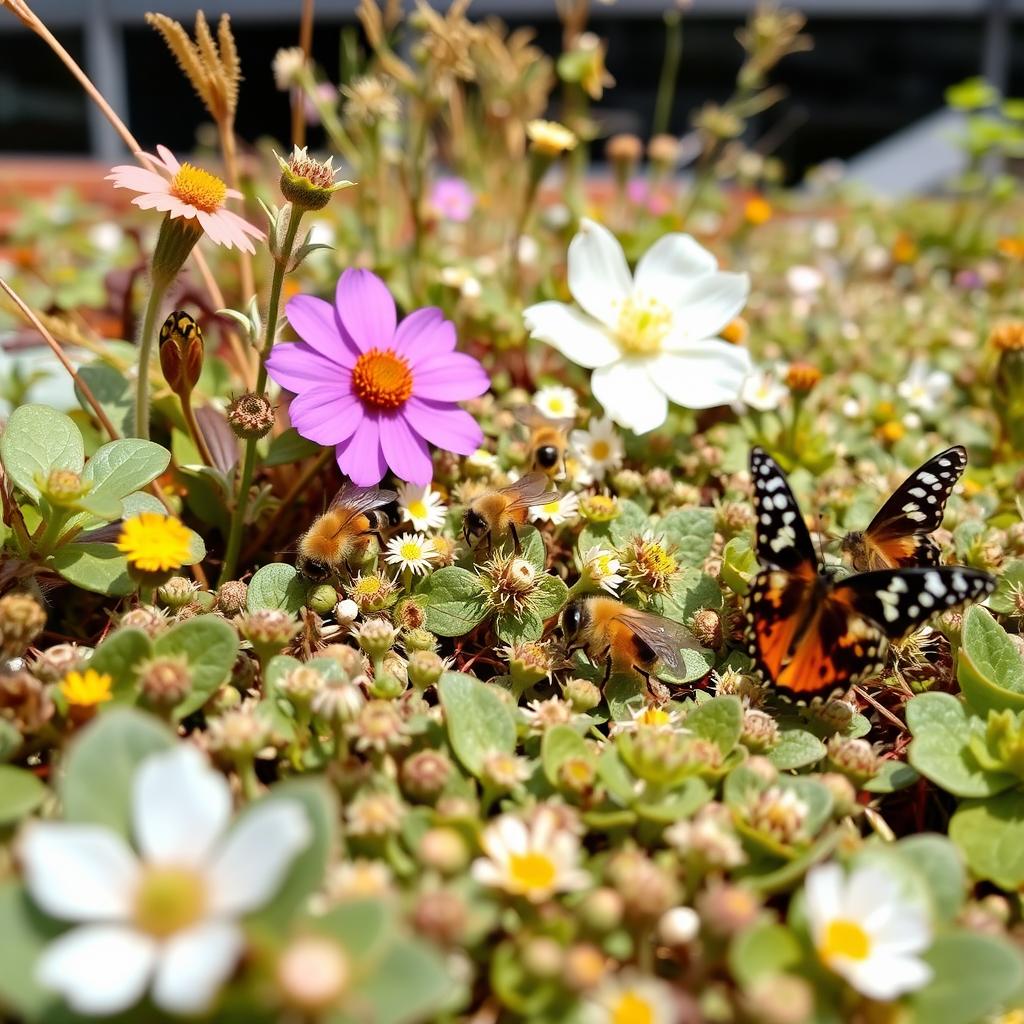
Green roofs create valuable habitat for native plants, insects, and birds in urban areas. Using indigenous plant species can support local biodiversity and create stepping-stone habitats across cities. Additionally, accessible green roofs provide valuable green space for building occupants, improving mental wellbeing and productivity.
“Green roofs represent one of the most effective interventions we can make in existing urban infrastructure to address both climate adaptation and mitigation simultaneously.”
— Dr. Sarah Jenkins, Sustainable Cities Research Centre, University of Melbourne
Accessible green roof garden on a commercial building in Brisbane
Adoption of Green Roofs in Australia
While green roofs have been widely embraced in Europe and North America for decades, Australia has been slower to adopt this technology. However, recent years have seen significant growth in implementation across major cities.
Current Status and Notable Projects
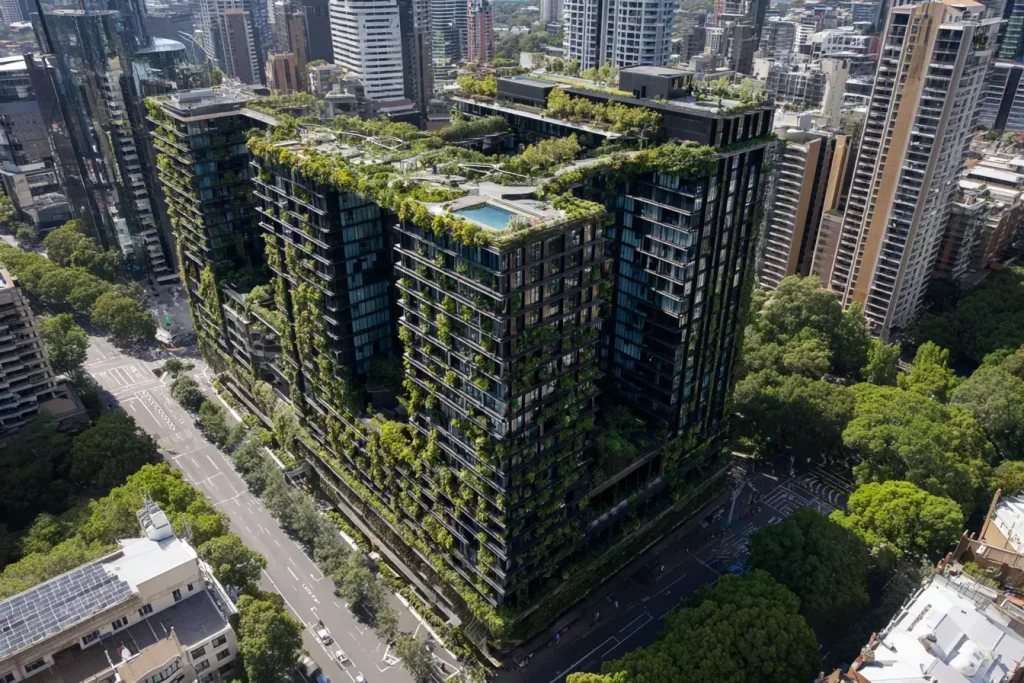
One Central Park in Sydney features one of Australia’s most prominent green roof and wall systems
Several landmark projects showcase the potential of green roofs in Australian cities:
- One Central Park, Sydney — This award-winning development features extensive green walls and roof gardens, demonstrating how vegetation can be integrated into high-rise architecture.
- Pixel Building, Melbourne — Australia’s first carbon-neutral office building incorporates green roofs as part of its sustainable design strategy.
- Brisbane City Council’s Green Roof Initiative — The council has implemented green roofs on several public buildings and offers incentives for private developments that incorporate them.
Barriers to Wider Adoption
Despite their benefits, several factors have limited the widespread adoption of green roofs in Australia:
Drivers
- Increasing urban temperatures
- Rising energy costs
- Growing environmental awareness
- Stormwater management requirements
- Corporate sustainability goals
Barriers
- Higher initial installation costs
- Limited technical expertise
- Concerns about waterproofing
- Maintenance requirements
- Lack of specific building codes
Incentives and Support
Several Australian councils and governments now offer incentives to encourage green roof installation:
- City of Sydney — Offers floor space ratio bonuses for buildings that incorporate green roofs in their design.
- Melbourne City Council — Provides grants of up to $20,000 for green roof projects through their Urban Forest Fund.
- Victorian Energy Upgrades Program — Offers rebates for energy efficiency improvements, which can include green roofs when they demonstrably reduce cooling loads.
If you’re considering a green roof project, check with your local council about potential incentives or requirements that might apply to your property.
Green Roof Design Considerations for Australian Conditions
Australia’s diverse and often harsh climate presents unique challenges for green roof design. Careful planning is essential to ensure your green roof thrives while delivering maximum benefits.
Drought-resistant native Australian plants thriving on a green roof in Perth
Structural Requirements
Before installing a green roof, a structural engineer must assess your building’s load-bearing capacity. Different green roof types have different weight requirements:
- Extensive green roofs — Typically add 60-150kg/m² when saturated
- Intensive green roofs — Can add 200-500kg/m² or more, depending on design
Existing buildings may require structural reinforcement to support a green roof, while new constructions can incorporate the necessary support from the design stage.
Plant Selection for Australian Climates
Suitable Plants for Different Regions
- Tropical North — Native grasses, succulents, and low-growing shrubs that can withstand both heavy rainfall and dry periods
- Mediterranean South — Drought-tolerant natives like pigface, native grasses, and small shrubs
- Temperate East Coast — Mix of native grasses, groundcovers, and small flowering plants
- Arid Interior — Extremely drought-tolerant succulents and desert-adapted species
Irrigation and Maintenance
Even drought-tolerant green roofs typically require some irrigation, especially during establishment and extended dry periods. Consider:
- Drip irrigation systems with moisture sensors to minimize water use
- Rainwater harvesting systems to supply irrigation needs
- Regular maintenance schedule for weeding and plant health checks
- Annual inspections of drainage systems and waterproofing integrity
Expert Tip: In Australia’s harsh sun, the waterproofing membrane needs special attention. Choose UV-resistant membranes and ensure they’re properly protected by the growing medium to prevent degradation and extend the life of your green roof system.
Frequently Asked Questions About Green Roofs
How much does a green roof cost in Australia?
Costs vary widely depending on the type and complexity. Extensive green roofs typically range from 0-0 per square meter, while intensive green roofs can cost 0-
Frequently Asked Questions About Green Roofs
How much does a green roof cost in Australia?
Costs vary widely depending on the type and complexity. Extensive green roofs typically range from $150-$400 per square meter, while intensive green roofs can cost $500-$1,200+ per square meter. These figures include waterproofing, drainage systems, growing medium, and plants. Retrofitting existing buildings usually costs more than incorporating green roofs into new construction.
How long do green roofs last?
A properly installed and maintained green roof can last 40-50 years, significantly longer than conventional roofing. The vegetation actually protects the waterproofing membrane from UV degradation and temperature fluctuations, extending its lifespan compared to exposed membranes.
Can I install a green roof on my existing home?
Many existing homes can support lightweight extensive green roof systems, but a structural assessment is essential first. Pitched roofs (up to about 30 degrees) can accommodate green roofs with special retention systems. For older homes, partial green roofs covering a portion of the roof area might be more feasible than full coverage.
Before and after: Residential green roof installation in Brisbane
,200+ per square meter. These figures include waterproofing, drainage systems, growing medium, and plants. Retrofitting existing buildings usually costs more than incorporating green roofs into new construction.
How long do green roofs last?
A properly installed and maintained green roof can last 40-50 years, significantly longer than conventional roofing. The vegetation actually protects the waterproofing membrane from UV degradation and temperature fluctuations, extending its lifespan compared to exposed membranes.
Can I install a green roof on my existing home?
Many existing homes can support lightweight extensive green roof systems, but a structural assessment is essential first. Pitched roofs (up to about 30 degrees) can accommodate green roofs with special retention systems. For older homes, partial green roofs covering a portion of the roof area might be more feasible than full coverage.
Before and after: Residential green roof installation in Brisbane
Conclusion: A Cooler Future for Australian Cities
Green roofs represent one of the most effective strategies for reducing urban heat while delivering multiple additional benefits to buildings, occupants, and the broader environment. As Australian cities continue to warm due to climate change and urban development, these living systems offer a nature-based solution that works with our environment rather than against it.
From reducing cooling costs and managing stormwater to creating biodiversity havens and beautiful spaces, green roofs are a multifunctional approach to sustainable urban design. While challenges remain in terms of cost and technical expertise, growing support from local governments and increasing awareness of their benefits are helping to accelerate adoption across Australia.
Whether you’re a homeowner looking to improve your property’s sustainability, a builder seeking innovative design solutions, or a business owner wanting to reduce operating costs, green roofs offer compelling advantages worth exploring.
Ready to Explore Green Roofing Options?
Discover how green roof solutions can be tailored to your specific needs, climate conditions, and budget. Our sustainable roofing experts can help you understand the options available for your property.
Learn More About Green Roof Solutions
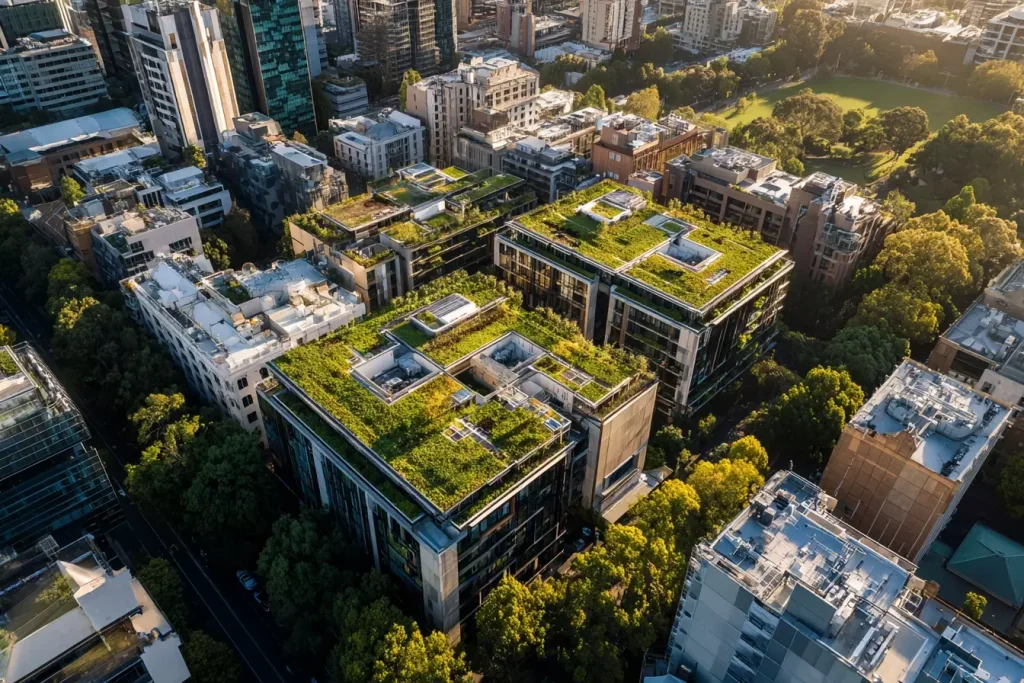
Aerial view showing the collective cooling impact of multiple green roofs in an urban Australian setting
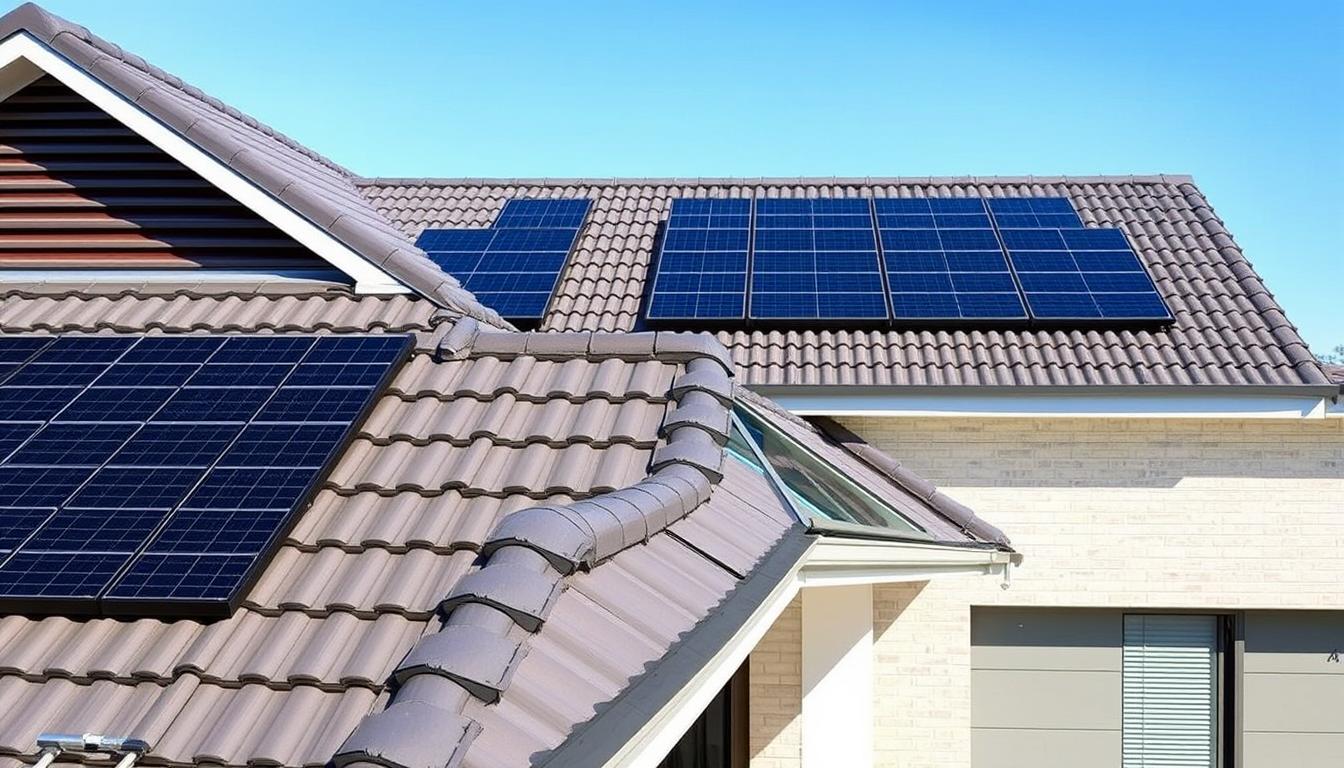
Solar‑Integrated Roofing in Australia: The Complete 2025 Guide for Homeowners, Builders & Roofing Pros
Read More »Roof Fasteners in Coastal Zones: Coatings, Corrosion Categories & Failure Modes
Read More »Roof Replacement Timeline: What to Expect in Australia
Read More »At Roofs.com.au, we are dedicated to providing top-quality roofing services across Australia. With years of experience in the roofing industry, we have earned a reputation for delivering reliable, efficient, and high-quality roofing solutions.
Navigation
Get in Touch
We’d love to hear from you! Whether you need a roof inspection, a free quote, or emergency roof repairs, our team is ready to assist you. Please visit our Contact Page to get in touch with us.
Contact Us Copyright © Roofs.com.au. All Rights Reserved.Roofs.com.au
REQUEST A QUOTE
At Roofs.com.au, we take pride in being responsive, reliable, and ready to solve all your roofing needs. Simply complete the form & one of our team member will be in contact with you shortly.
Request a QuoteRoofs.com.au
Submit your interest
Submit your interest using the form below. We will review your details and get back to you.
Images on This Page
-
https://roofs.com.au/wp-content/uploads/2025/05/roofs.com_.au-logo.png
(no alt text)
-
https://roofs.com.au/wp-content/uploads/2025/07/image-98-1024x683.webp
(no alt text)
-
https://roofs.com.au/wp-content/uploads/2025/07/image-99-1024x683.webp
(no alt text)
-
https://roofs.com.au/wp-content/uploads/2025/07/image-100-1024x683.webp
(no alt text)
-
https://roofs.com.au/wp-content/uploads/2025/07/image-101.webp
(no alt text)
-
https://roofs.com.au/wp-content/uploads/2025/07/Stormwater-management-system-on-a-green-roof-in-Sydney-during-rainfall.jpeg
Stormwater management system on a green roof in Sydney during rainfall
-
https://roofs.com.au/wp-content/uploads/2025/07/Biodiversity-on-an-Australian-green-roof-showing-native-plants-and-local-insect-species.jpeg
Biodiversity on an Australian green roof showing native plants and local insect species
-
https://roofs.com.au/wp-content/uploads/2025/07/Accessible-intensive-green-roof-garden-on-a-commercial-building-in-Brisbane-being-enjoyed-by-1024x585.jpeg
Accessible intensive green roof garden on a commercial building in Brisbane being enjoyed by office workers
-
https://roofs.com.au/wp-content/uploads/2025/07/image-102-1024x683.webp
(no alt text)
-
https://roofs.com.au/wp-content/uploads/2025/07/Drought-resistant-native-Australian-plants-on-a-green-roof-in-Perth-1024x585.jpeg
Drought-resistant native Australian plants on a green roof in Perth
-
https://roofs.com.au/wp-content/uploads/2025/07/image-103-1024x683.webp
(no alt text)
-
https://roofs.com.au/wp-content/uploads/2025/07/image-104-1024x683.webp
(no alt text)
-
https://roofs.com.au/wp-content/uploads/2025/07/Solar‑integrated-roofing-Australia-installation-on-a-modern-home.jpeg
Solar‑integrated roofing Australia installation on a modern home
-
https://roofs.com.au/wp-content/uploads/2025/09/image-38.webp
(no alt text)
-
https://roofs.com.au/wp-content/uploads/2025/05/About-Us.jpg
(no alt text)
-
https://roofs.com.au/wp-content/uploads/2024/07/roofs.com_.au-logo-2.png
(no alt text)