Cyclone‑Resilient Roof Design in Northern Australia: 2025 Best‑Practice Guide
- July 11, 2025
Northern Australia faces some of the world’s most extreme weather conditions, with tropical cyclones posing a significant threat to homes and buildings. Implementing proper cyclone‑resilient roof design in Northern Australia is crucial for protecting your property against these devastating forces. According to the Bureau of Meteorology, an average of 11 tropical cyclones form in the Australian region each year, with approximately four crossing the coastline. Understanding the AS 4055 wind classification system is the first step toward ensuring your roof can withstand these powerful weather events.
Understanding Cyclone Risks in Northern Australia
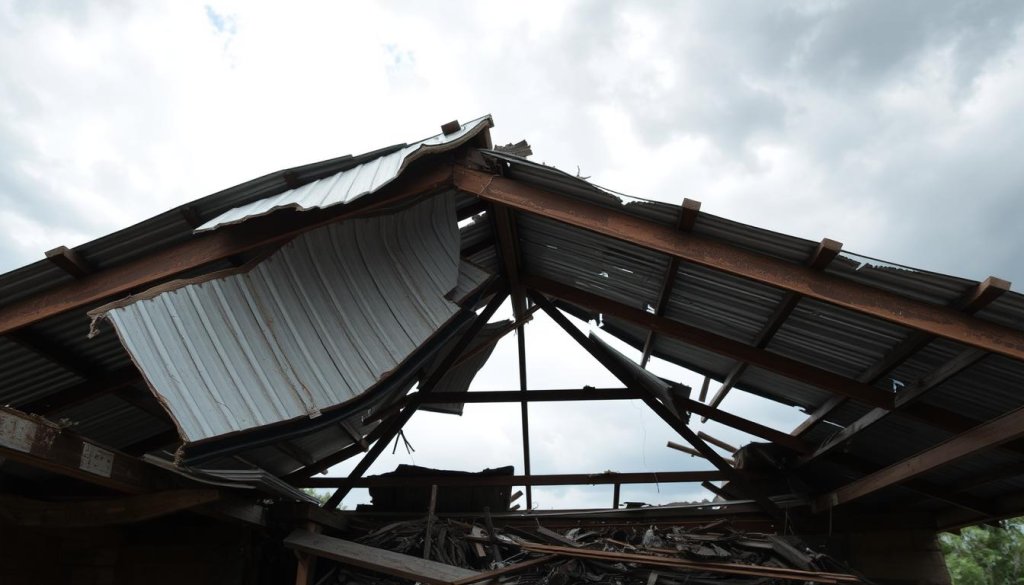
The 2025 Bureau of Meteorology cyclone outlook indicates that Northern Australia continues to face significant threats from tropical cyclones. When these powerful storms make landfall, they can generate wind speeds exceeding 280 km/h in Category 5 events, creating enormous uplift pressures that can literally tear roofs from buildings.
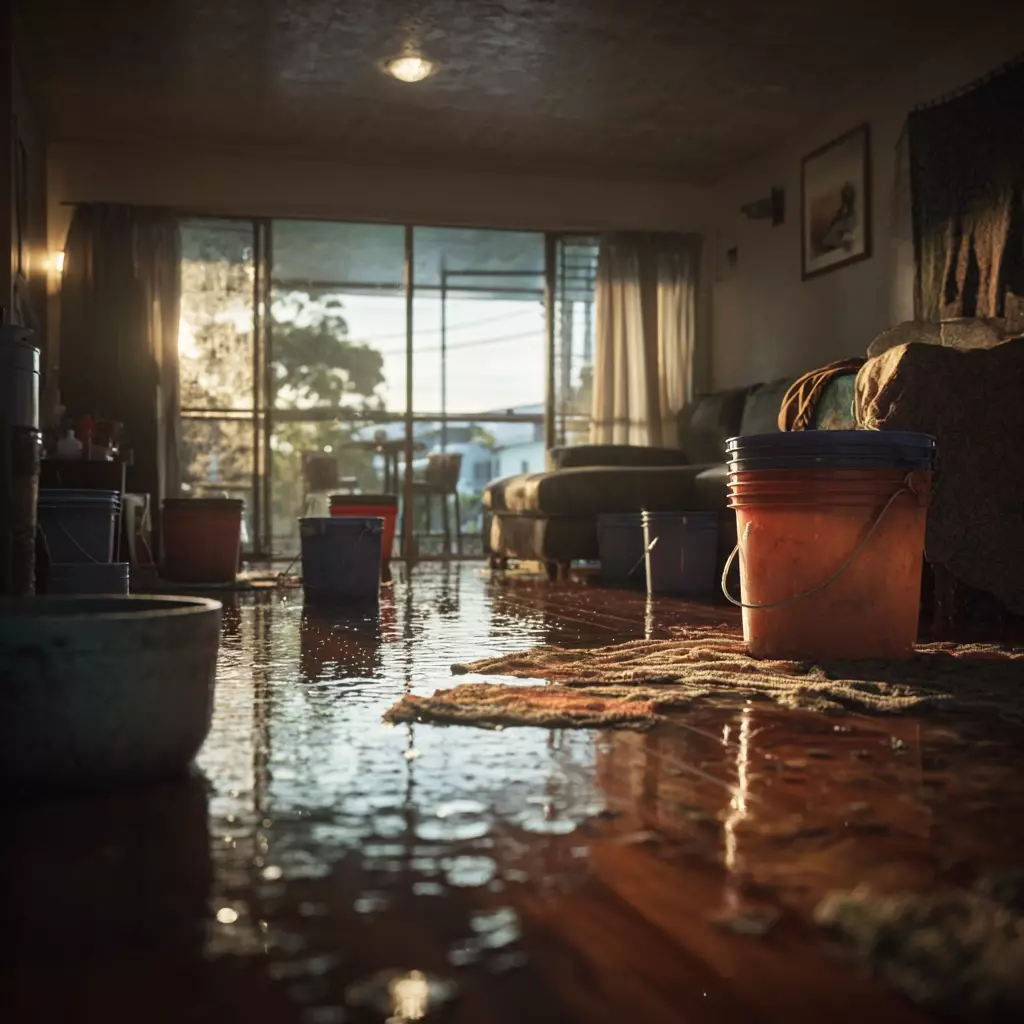
The consequences of roof failure during a cyclone extend far beyond the immediate structural damage. Once a roof is compromised, the entire building becomes vulnerable to water ingress, which can lead to extensive internal damage, mould growth, and electrical hazards. According to Suncorp insurance data, the average cyclone damage claim involving roof failure exceeds $27,000—more than triple the cost of claims where the roof remains intact.
Did you know? During 2011’s Cyclone Yasi, homes built to post-1980s cyclone-resistant standards were 4.5 times less likely to suffer major roof damage than older properties.
Current Code Requirements for Cyclone‑Resilient Roofs
Building a cyclone-resilient roof in Northern Australia requires strict adherence to current building codes and standards. The National Construction Code (NCC) 2022 establishes the minimum requirements for structural performance, while several Australian Standards provide specific technical guidance:
- AS 4055 Wind Loads for Housing – Classifies properties into wind regions and terrain categories, with Northern Australia primarily falling into Regions C (Cyclonic) and D (Severe Cyclonic)
- AS 1170.2:2021 – Provides detailed wind actions calculations for structural design
- AS 1684.3 – Covers residential timber-framed construction in cyclonic areas
- AS 1562.1 – Specifies requirements for metal roof and wall cladding
The Queensland Building and Construction Commission (QBCC) provides additional guidelines specific to cyclone-prone regions, including detailed tie-down specifications that connect your roof securely to the foundation. Similarly, the NT Building Advisory Services offers region-specific guidance for Darwin and surrounding areas.
Optimal Roof Shapes for Cyclone Resistance
The shape of your roof significantly impacts its ability to withstand cyclonic winds. James Cook University’s Cyclone Testing Station has conducted extensive research showing that certain roof configurations perform substantially better during extreme wind events.
| Feature | Hip Roof | Gable Roof | Skillion Roof |
| Wind Resistance | Excellent – Aerodynamic shape reduces uplift | Fair – End walls vulnerable to pressure | Good – When pitched away from prevailing winds |
| Optimal Pitch | 23°-30° | 22°-26° with bracing | 5°-15° |
| Relative Cost | Higher (10-15% premium) | Standard | Lower |
| Max AS 4055 Rating | C4 (with proper tie-downs) | C2-C3 (requires additional bracing) | C3 (orientation dependent) |
Hip roofs with a 30° pitch provide the best performance in cyclonic conditions due to their aerodynamic shape and reduced wind-catching surfaces. The CSIRO’s wind engineering research confirms that hip roofs experience approximately 40% less uplift force compared to gable designs of similar dimensions.
Materials and Fixings for Cyclone-Rated Roofs
Selecting appropriate materials and fixings is critical for cyclone-resilient roof design. Metal roofing systems have proven particularly effective in cyclone-prone regions due to their strength-to-weight ratio and superior wind resistance when properly installed.
Recommended Materials
- High-tensile steel sheets (minimum 0.42mm BMT)
- Cyclone-rated COLORBOND® steel with marine-grade coating for coastal areas
- Structural-grade timber or steel roof battens (never pine in cyclone regions)
- Galvanized or stainless steel connectors (region-appropriate corrosion resistance)
- Anti-cyclonic roof sarking with reinforced edges
Critical Fixing Systems
- 10/10/10 screw pattern for sheet edges and overlaps
- Cyclone washers under all roofing screws
- M12 galvanized tie-down rods connecting to foundations
- Metal strapping at 900mm intervals
- Truss-to-top-plate connections with engineered brackets
“The weakest link determines the strength of your entire roof system. A single inadequate connection can compromise even the most robust materials.”
— Dr. David Henderson, Cyclone Testing Station, James Cook University
Installation Workflow and Retrofit Strengthening
New Build Installation Process
- Engineering certification – Obtain site-specific wind classification and engineering plans
- Truss installation – Use factory-built trusses with cyclone rods pre-installed
- Bracing application – Install diagonal and lateral bracing per engineering specifications
- Batten fixing – Secure battens at maximum 600mm centers with specified fasteners
- Sarking installation – Apply reinforced roof sarking with 150mm overlaps, taped at all joins
- Sheet installation – Fix sheets using 10/10/10 pattern with calibrated torque drivers
- Ridge capping – Secure ridge and hip capping with additional fixings
- Final inspection – Complete professional roof inspection and certification
Retrofit Strengthening Checklist
Existing homes can be upgraded to improve cyclone resilience. The Queensland Reconstruction Authority recommends these key retrofit measures:
Roof Structure Upgrades
- Install over-batten strapping systems
- Add collar ties to rafters at 1.2m intervals
- Retrofit metal brackets at all truss-to-wall connections
- Install additional diagonal bracing in roof cavity
- Upgrade to cyclone rods where access permits
Roofing Material Upgrades
- Replace standard roofing screws with cyclone-rated screws
- Add cyclone washers to all existing screws
- Increase screw frequency at sheet edges and overlaps
- Replace damaged or corroded sheets with cyclone-rated profiles
- Upgrade ridge capping with additional fixings
Regional Considerations for Northern Australia
Different regions within Northern Australia present unique challenges for cyclone-resilient roof design:
Coastal Corrosion Protection
Properties within 1km of the coastline require marine-grade materials due to salt spray exposure. The BlueScope technical bulletin recommends:
- COLORBOND® Ultra steel for severe marine environments
- 316-grade stainless steel fasteners
- Regular freshwater washing of roof surfaces
- Sacrificial anodes for metal components
Bushfire Area Considerations
Many cyclone-prone areas also face bushfire risks. When designing for both hazards:
- Ensure compliance with both AS 3959 (bushfire) and AS 4055 (wind)
- Install non-combustible gutter guards
- Seal all roof penetrations against ember attack
- Choose metal roof sheeting with BAL-rated insulation
Tropical Condensation Management
High humidity in tropical regions creates condensation challenges:
- Install anti-condensation blankets under metal roofing
- Ensure proper roof ventilation with sealed ridge vents
- Use breathable sarking materials
- Consider above-sheathing ventilation systems
Costs and Return on Investment
Investing in cyclone-resilient roof design represents significant value when compared to potential repair costs. According to Insurance Council of Australia data, properties with cyclone-resilient features experience 72% lower claim costs following severe weather events.
| Upgrade Type | Approximate Cost (AUD) | Potential Savings | ROI Timeframe |
| New cyclone-rated metal roof (full system) | $18,000 – $25,000 | $15,000 – $40,000 in avoided repairs | 7-12 years (including insurance discounts) |
| Retrofit strapping and tie-downs | $5,000 – $8,000 | $10,000 – $25,000 in avoided repairs | 5-8 years |
| Roofing screw and washer upgrade | $2,500 – $4,000 | $8,000 – $15,000 in avoided repairs | 3-5 years |
| Ridge capping reinforcement | $1,200 – $2,500 | $5,000 – $12,000 in avoided repairs | 2-4 years |
Many insurance providers now offer premium discounts of 10-25% for homes with certified cyclone-resilient features. The Queensland Household Resilience Program also provides grants of up to $11,250 for eligible homeowners to upgrade their properties against cyclone damage.
Maintenance and Pre-Season Inspection
Regular maintenance is essential for ensuring your cyclone-resilient roof remains effective. The QBCC recommends a comprehensive inspection at least 8 weeks before cyclone season begins.
Pre-Cyclone Season Checklist
- Check and tighten all visible roofing screws
- Inspect for and replace corroded fasteners
- Ensure gutter cleaning is complete and downpipes clear
- Trim overhanging branches away from roof
- Check roof sheeting for signs of movement or wear
- Inspect and repair ridge capping and flashings
- Check sarking condition in accessible roof spaces
Modern Inspection Methods
New technologies are making roof inspections more thorough and accessible:
- Drone inspections with high-resolution imaging
- Thermal scanning to detect water ingress
- 3D mapping for comparison to original specifications
- Digital reporting with georeferenced images
- Screw tension testing with calibrated tools
Frequently Asked Questions
How much more does a cyclone-resilient roof cost compared to standard construction?
A fully cyclone-resilient roof system typically costs 15-25% more than standard construction in non-cyclonic regions. However, this premium varies based on your specific wind classification, with C4 regions requiring the most substantial upgrades. The additional cost primarily comes from heavier gauge materials, increased fixing density, and additional structural bracing. This investment is offset by insurance premium reductions and significantly lower repair costs following cyclonic events.Can my existing roof be upgraded to meet cyclone standards, or do I need a complete replacement?
Many existing roofs can be retrofitted to improve cyclone resilience without complete replacement. Key upgrades include adding over-batten strapping systems, replacing standard fasteners with cyclone-rated screws and washers, reinforcing connections between trusses and walls, and adding supplementary tie-downs. However, if your roof has a problematic design (like extended gables) or significant deterioration, a complete replacement might be more cost-effective and reliable in the long term.How often should cyclone-resilient roofs be professionally inspected?
Cyclone-resilient roofs in Northern Australia should receive a professional inspection at least annually, ideally 2-3 months before cyclone season begins (around August-September). Additionally, inspections should be conducted after any severe weather event, even if no obvious damage is visible. Coastal properties may require more frequent inspections due to accelerated corrosion from salt exposure. Many insurance policies now require documented annual inspections to maintain coverage.Do hip roofs really perform better than gable roofs in cyclones?
Yes, research from the Cyclone Testing Station at James Cook University consistently shows that hip roofs outperform gable roofs during cyclonic events. Hip roofs experience approximately 40% less uplift force due to their aerodynamic shape and absence of large, flat surfaces that can catch wind. While properly constructed gable roofs with adequate bracing can meet cyclone standards, hip roofs provide an inherent structural advantage that makes them the preferred choice for high wind regions.Are there specific maintenance requirements for cyclone-resilient roofs in coastal areas?
Coastal properties require additional maintenance due to salt exposure. Metal roofing in coastal areas should be washed with fresh water at least quarterly to remove salt deposits. Fasteners should be inspected twice yearly for signs of corrosion, with immediate replacement of any compromised components. Sacrificial anodes may be recommended for some metal components, and more frequent reapplication of protective coatings is typically necessary. Marine-grade materials should always be specified for properties within 1km of saltwater.Conclusion: Investing in Peace of Mind
Implementing cyclone‑resilient roof design in Northern Australia is not just about meeting building codes—it’s about protecting your most valuable asset and ensuring your family’s safety during extreme weather events. The upfront investment in proper materials, fixings, and installation techniques pays dividends through reduced repair costs, lower insurance premiums, and most importantly, peace of mind when cyclone warnings are issued.
By following the guidelines in this article and working with qualified professionals, you can significantly enhance your home’s resilience against the destructive forces of tropical cyclones. Remember that cyclone preparation is not a one-time effort but an ongoing commitment to maintenance and periodic upgrades as technologies and best practices evolve.
Protect Your Home Before Cyclone Season
Don’t wait until a cyclone warning is issued. Our certified roof inspectors can assess your roof’s cyclone resilience and provide a detailed report with recommended upgrades. Book your free cyclone roof audit today and ensure your home is prepared for whatever the weather brings.
Book Your Free Cyclone Roof Audit
Or call us directly: 1800 ROOF SAFE (1800 766 372)
Emergency Roof Leak Quick-Fix Guide: Immediate Solutions for Homeowners
Read More »How Roof Ventilation Reduces Mould and Lowers Energy Bills
Read More »Best Roof Insulation and Ventilation Products: Top Picks for Energy Efficiency and Comfort
Read More »At Roofs.com.au, we are dedicated to providing top-quality roofing services across Australia. With years of experience in the roofing industry, we have earned a reputation for delivering reliable, efficient, and high-quality roofing solutions.
Navigation
Get in Touch
We’d love to hear from you! Whether you need a roof inspection, a free quote, or emergency roof repairs, our team is ready to assist you. Please visit our Contact Page to get in touch with us.
Contact Us Copyright © Roofs.com.au. All Rights Reserved.Roofs.com.au
REQUEST A QUOTE
At Roofs.com.au, we take pride in being responsive, reliable, and ready to solve all your roofing needs. Simply complete the form & one of our team member will be in contact with you shortly.
Request a QuoteRoofs.com.au
Submit your interest
Submit your interest using the form below. We will review your details and get back to you.
Images on This Page
-
https://roofs.com.au/wp-content/uploads/2025/05/roofs.com_.au-logo.png
(no alt text)
-
https://roofs.com.au/wp-content/uploads/2025/07/Cyclone-damage-to-a-non-compliant-roof-in-Northern-Australia-1024x585.jpeg
Cyclone damage to a non-compliant roof in Northern Australia
-
https://roofs.com.au/wp-content/uploads/2025/07/image-6-1024x683.webp
(no alt text)
-
https://roofs.com.au/wp-content/uploads/2025/07/image-7-1024x683.webp
(no alt text)
-
https://roofs.com.au/wp-content/uploads/2025/07/Close-up-of-cyclone-rated-roof-fixings-showing-screws-and-tie-downs.jpeg
Close-up of cyclone-rated roof fixings showing screws and tie-downs
-
https://roofs.com.au/wp-content/uploads/2025/07/image-8-1024x683.webp
(no alt text)
-
https://roofs.com.au/wp-content/uploads/2025/07/image-9-1024x683.webp
(no alt text)
-
https://roofs.com.au/wp-content/uploads/2025/07/image-10-1024x683.webp
(no alt text)
-
https://roofs.com.au/wp-content/uploads/2025/07/image-11-1024x683.webp
(no alt text)
-
https://roofs.com.au/wp-content/uploads/2025/07/image-12-1024x683.webp
(no alt text)
-
https://roofs.com.au/wp-content/uploads/2025/07/Completed-cyclone-resilient-roof-on-Northern-Australian-home-1024x585.jpeg
Completed cyclone-resilient roof on Northern Australian home
-
https://roofs.com.au/wp-content/uploads/2025/10/image-6.webp
(no alt text)
-
https://roofs.com.au/wp-content/uploads/2025/06/Roof-ventilation-system-installed-on-a-residential-roof-preventing-mould-and-reducing-energy.jpeg
Roof ventilation system installed on a residential roof preventing mould and reducing energy costs
-
https://roofs.com.au/wp-content/uploads/2025/08/image-14.webp
(no alt text)
-
https://roofs.com.au/wp-content/uploads/2024/07/roofs.com_.au-logo-2.png
(no alt text)