Preventing and Repairing Hail Damage: Best Roofing Solutions for Storm-Prone Areas
- December 18, 2025
When severe storms roll through, hail can transform from a weather curiosity into a serious threat to your home. Each year, hail damage costs Australian homeowners millions in repairs, with roofs taking the brunt of the impact. The good news? With the right preventative measures and prompt repairs, you can significantly reduce your risk and protect your investment.
This guide explores proven strategies to shield your roof from hail damage and effective repair solutions when nature inevitably leaves its mark. Whether you’re preparing for storm season or dealing with the aftermath, these expert insights will help you make informed decisions about your roof’s protection.
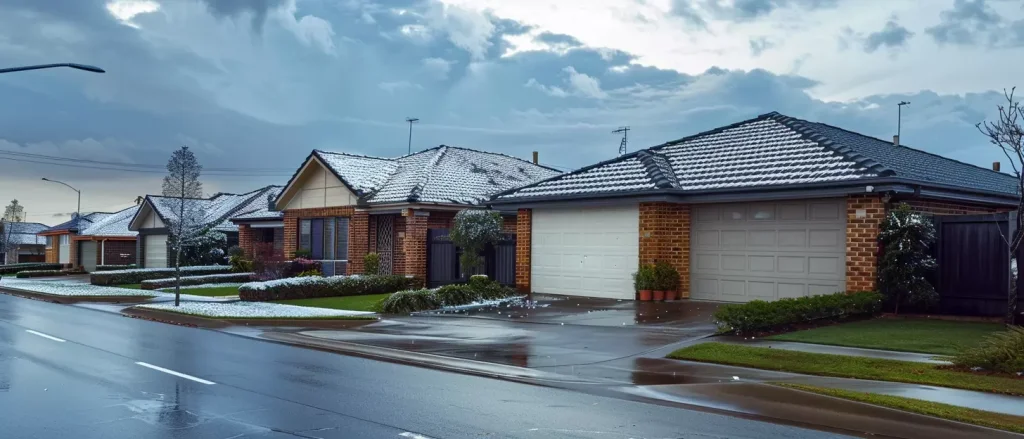
Severe hail damage can compromise your roof’s integrity and lead to costly repairs if not addressed promptly.
Understanding the Impact of Hail Damage on Roofs
Hail damage is more than just a cosmetic concern. When hailstones strike your roof, they can create vulnerabilities that compromise its entire protective function. Understanding how hail affects different roofing materials helps you better assess potential damage and make informed decisions about repairs.
Immediate Effects of Hail Impact
When hail hits your roof, it can cause immediate visible damage such as dents in metal roofing, cracked or chipped tiles, and granule loss on asphalt shingles. These impacts weaken your roof’s protective barrier and create entry points for water. Even small hailstones can cause significant damage when driven by strong winds.
Long-term Consequences
The true cost of hail damage often reveals itself over time. What starts as minor dents or granule loss can lead to water infiltration, insulation damage, mould growth, and even structural issues. Studies show that unaddressed hail damage can reduce a roof’s lifespan by 5-10 years and increase energy costs by up to 15% due to compromised insulation.
Worried about hidden hail damage?
Not all hail damage is immediately visible. Our experts can identify hidden issues before they become costly problems.
Book a Free Roof Inspection
Preventative Measures: Hail Damage Roofing Solutions
The best defense against hail damage is a proactive approach. By investing in impact-resistant materials and proper installation techniques, you can significantly reduce your roof’s vulnerability to hail damage and extend its lifespan, even in storm-prone areas.
Impact-Resistant Roofing Materials
| Roofing Material | Impact Resistance Rating | Lifespan | Cost Range (per m²) | Best For |
| Class 4 Asphalt Shingles | Highest (Class 4) | 25-30 years | $65-$120 | Homeowners seeking balance of protection and affordability |
| Metal Roofing (Colorbond) | High | 40-70 years | $85-$150 | Long-term durability in severe hail regions |
| Rubber Slate | Very High | 30-50 years | $120-$200 | Premium appearance with excellent impact resistance |
| Concrete Tiles | Moderate to High | 50+ years | $60-$100 | Traditional aesthetics with good durability |
| Stone-Coated Steel | High | 40-70 years | $90-$160 | Combining aesthetic variety with excellent protection |
Proper Installation Techniques
Even the most impact-resistant materials can fail if installed incorrectly. Professional installation that follows these best practices is crucial for maximizing your roof’s hail resistance:
- Proper underlayment installation with ice and water shield in vulnerable areas
- Correct fastening patterns and techniques specific to your roofing material
- Reinforced ridge caps and roof edges where damage often begins
- Proper flashing installation around all roof penetrations
- Adequate ventilation to prevent moisture buildup and maintain material integrity
Regular Maintenance Practices
Ongoing maintenance significantly improves your roof’s resilience against hail damage. Implement these practices to keep your roof in optimal condition:
- Schedule professional roof inspections twice yearly (before and after storm season)
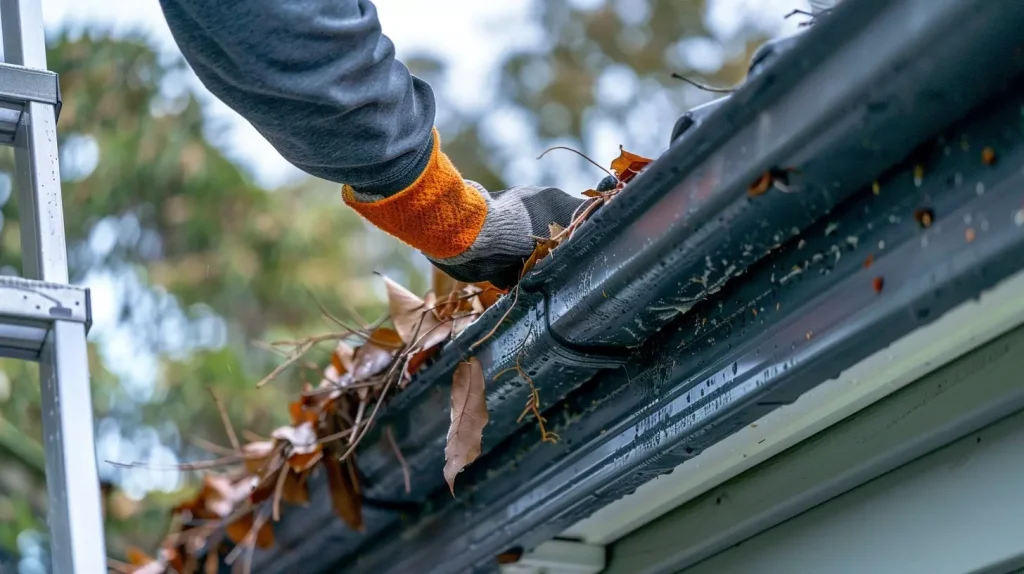
- Keep gutters and downpipes clear to prevent water backup
- Trim overhanging branches that could fall during storms
- Replace damaged or worn shingles promptly
- Check and maintain roof flashing and sealants around penetrations
Did you know? Homes with impact-resistant roofing materials can qualify for insurance premium discounts of up to 30% in many Australian regions. Ask your insurance provider about potential savings.
Identifying and Assessing Hail Damage
Recognizing hail damage early is crucial for preventing minor issues from becoming major problems. While some damage is obvious, other types can be subtle and require a trained eye to detect. Here’s how to conduct a preliminary assessment and know when to call in professionals.
Signs on Asphalt Shingles
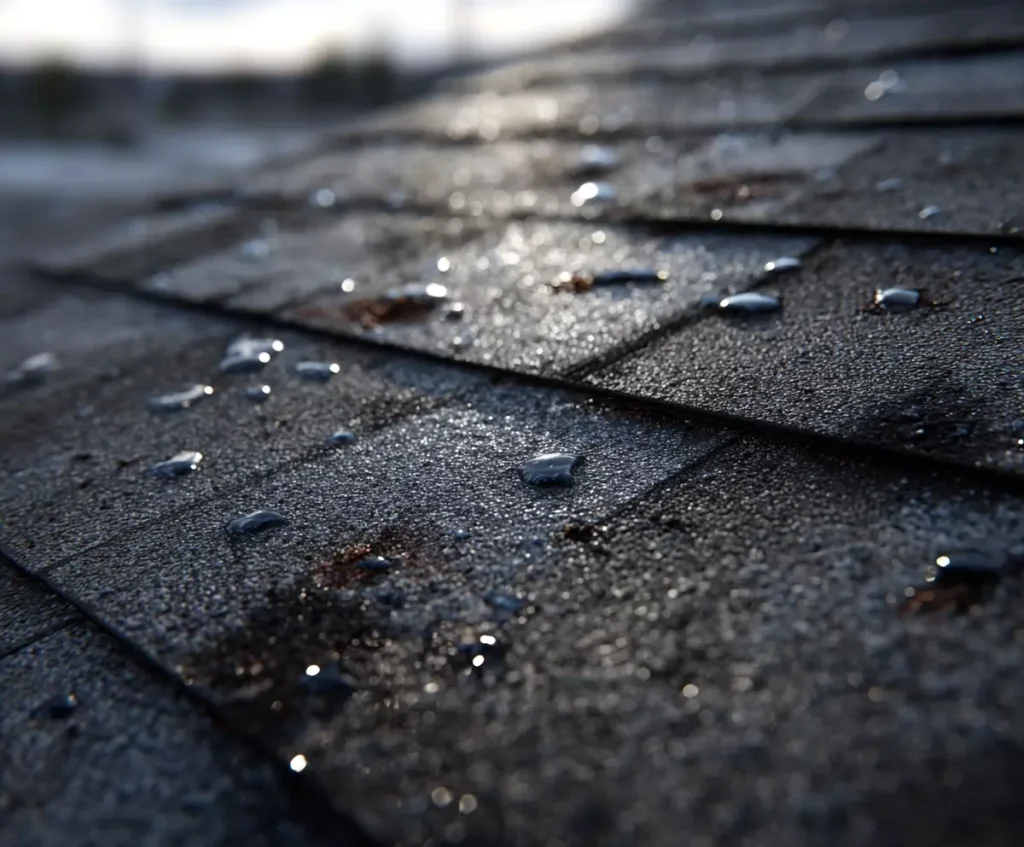
- Black spots where granules are missing
- Soft spots that feel like bruises
- Shiny asphalt where granules have been knocked away
- Cracks or splits radiating from impact points
Signs on Metal Roofing
- Dents and dings of various sizes
- Scratched or damaged protective coating
- Loosened fasteners or seams
- Bent or damaged flashing
Signs on Tile Roofing
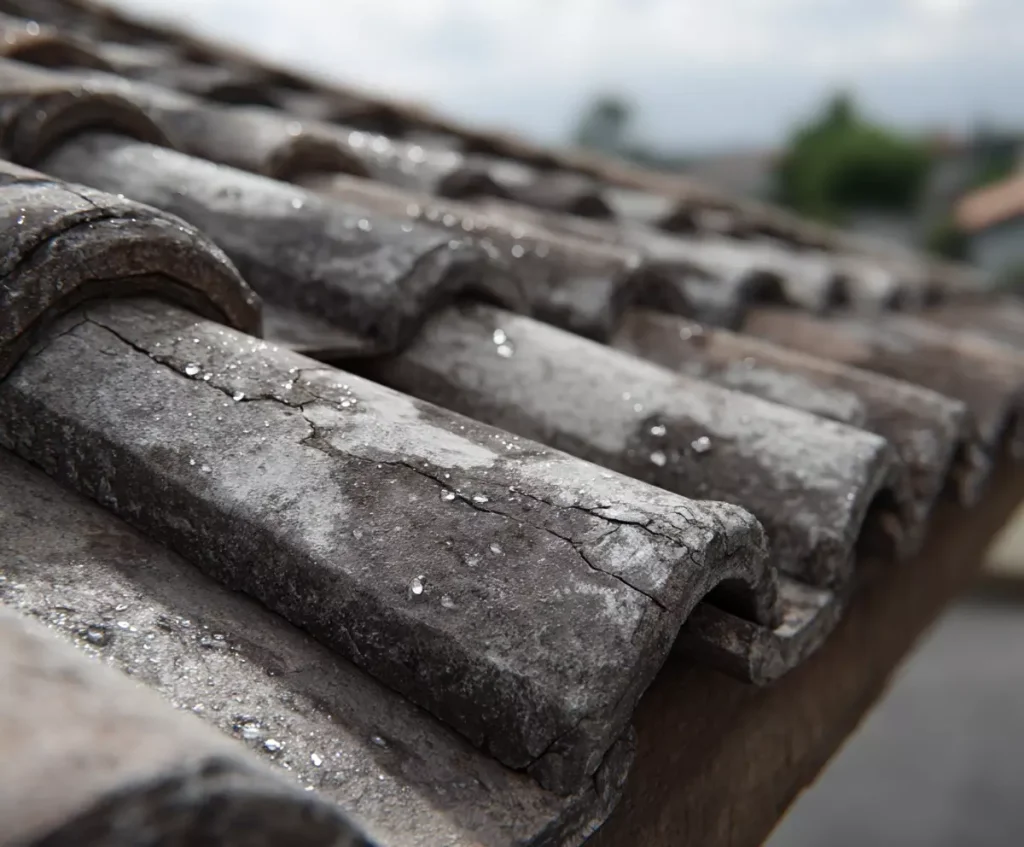
- Cracks and fractures in tiles
- Chipped corners or edges
- Broken or displaced tiles
- Impact marks on ridge capping
When to Call Professional Inspectors
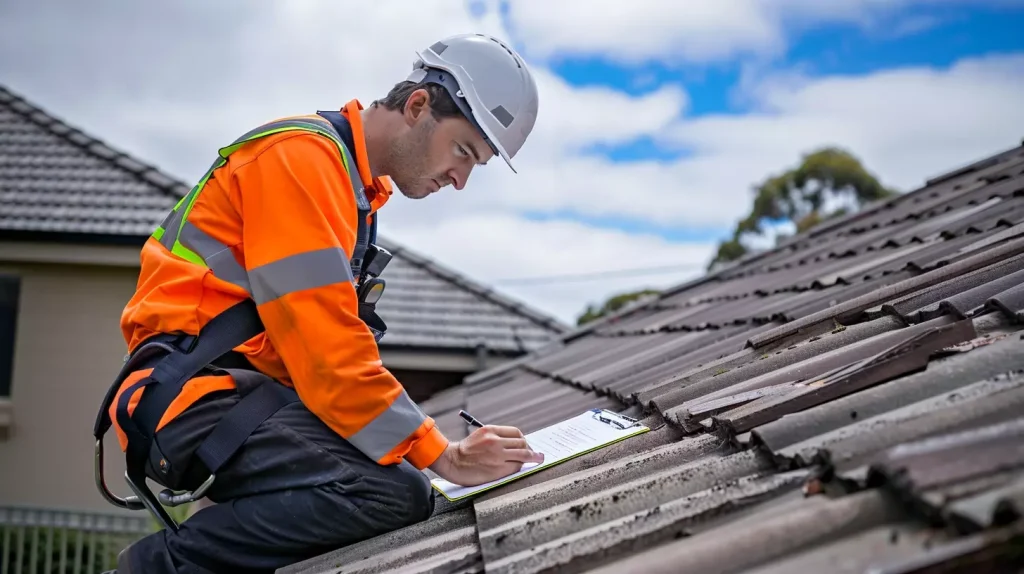
While some damage is visible from the ground, a professional inspection is essential for a complete assessment. Contact a professional roof inspector if:
Signs You Need a Professional Inspection
- You notice granules in gutters or downpipes
- Neighbors have confirmed hail damage to their roofs
- You spot visible dents, cracks, or missing materials
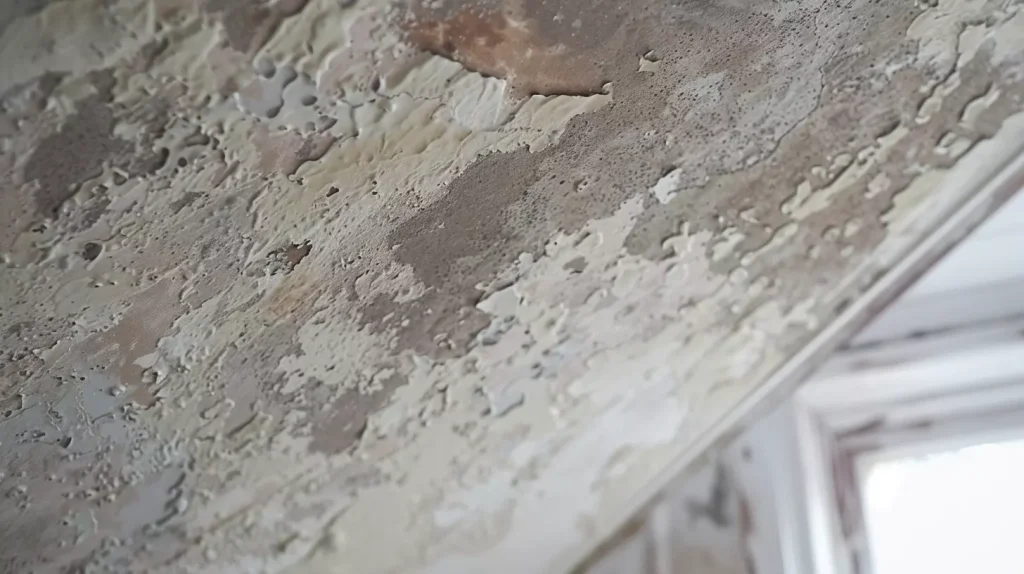
- Water stains appear on ceilings or walls after a storm
- Your roof is more than 10 years old and experienced a severe hailstorm
- You’re planning to file an insurance claim
Risks of Delaying Inspection
- Hidden water damage can lead to mould and rot
- Minor damage can worsen with subsequent storms
- Insurance claim time limits may expire
- Repair costs typically increase with delayed action
- Energy efficiency decreases due to compromised insulation
- Structural integrity may be compromised over time
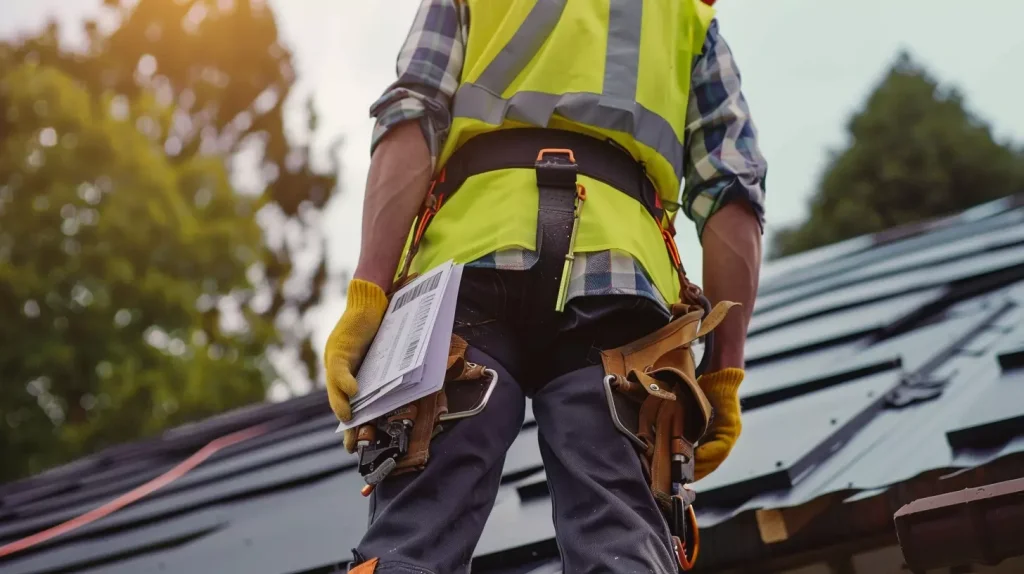
Professional inspectors have the expertise and tools to identify hidden damage that might not be visible to the untrained eye.
Don’t risk overlooking hidden damage
Our experienced inspectors use advanced techniques to identify all forms of hail damage, helping you make informed decisions about repairs.
Schedule a Professional Inspection
Effective Repair Solutions for Hail-Damaged Roofs
Once you’ve identified hail damage, taking prompt action is crucial. The appropriate repair approach depends on the extent of damage, roofing material, and budget considerations. Here are the most effective repair solutions for different scenarios.
Material-Specific Repair Techniques
Asphalt Shingle Repairs
For asphalt shingles, repair approaches range from individual shingle replacement to partial or complete re-roofing:
- Spot Repairs: For isolated damage, individual shingles can be carefully removed and replaced. This works best when damage is limited to a few areas.
- Partial Re-roofing: If damage is concentrated on one slope or section, replacing that entire section ensures better material matching and water resistance.
- Complete Replacement: When damage is widespread or the roof is aging, full replacement provides the most comprehensive solution and often the best long-term value.
Metal Roofing Repairs
Metal roofing repairs focus on addressing dents, coating damage, and seam integrity:
- Panel Replacement: Severely dented panels can be individually replaced without disturbing the entire roof.
- Protective Coating: For minor cosmetic damage, applying a new protective coating can prevent corrosion and extend roof life.
- Seam Repairs: Hail can compromise seams and fasteners, requiring resealing or reinforcement to prevent leaks.
Tile Roofing Repairs
Concrete and clay tile repairs typically involve replacing damaged tiles and addressing underlayment issues:
- Individual Tile Replacement: Cracked or broken tiles can be carefully removed and replaced with matching tiles.
- Ridge Cap Repairs: Damaged ridge capping often requires complete replacement to ensure water tightness.
- Underlayment Inspection: Even with minor visible damage, underlayment should be inspected as hail impacts can compromise its integrity.
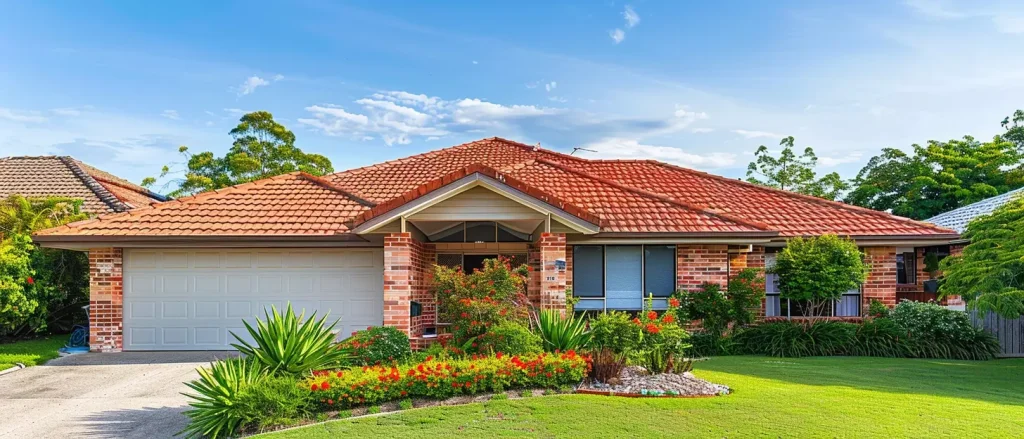
Professional repairs ensure proper techniques and materials are used to restore your roof’s integrity and appearance.
When to Patch vs. When to Replace
Deciding between repairs and replacement depends on several factors. Use this decision guide to determine the most appropriate approach for your situation:
| Factor | Consider Repairs When | Consider Replacement When |
| Damage Extent | Less than 30% of roof affected | More than 30% of roof shows damage |
| Roof Age | Roof is less than 10 years old | Roof is approaching end of expected lifespan |
| Leak Presence | No leaks or isolated minor leaks | Multiple leak points or significant water intrusion |
| Material Matching | Matching materials readily available | Original materials discontinued or significantly faded |
| Budget Considerations | Limited budget with no insurance coverage | Insurance covering significant portion of replacement |
| Future Plans | Planning to sell home within 5 years | Planning to stay in home long-term |
Working with Insurance Claims
Navigating insurance claims for hail damage can be complex. Follow these steps to maximize your coverage and ensure a smooth claims process:
- Document Everything: Take dated photos of all visible damage immediately after the storm. Include wide shots and close-ups of damaged areas.
- Contact Your Insurer Promptly: Report the damage as soon as possible, as many policies have time limits for hail damage claims.
- Get a Professional Assessment: Have a licensed roofing contractor inspect the damage and provide a detailed report.
- Meet with the Insurance Adjuster: Schedule the inspection when your roofing contractor can be present to point out all damage.
- Review the Settlement Offer: Carefully review the insurer’s damage assessment and settlement offer. Don’t hesitate to question discrepancies.
- Understand Depreciation: Be aware that many policies initially pay the actual cash value (replacement cost minus depreciation), with the remainder paid after repairs are completed.
- Choose Quality Contractors: Select reputable contractors who have experience working with insurance claims and can provide proper documentation.
Insurance Tip: Many policies have a limited window (typically 12-24 months) to complete repairs and claim the full replacement cost. Check your policy details and plan accordingly.
Cost Comparison: Investing in Hail-Resistant Roofing
While hail-resistant roofing materials often have higher upfront costs, they can provide significant long-term savings through reduced repair needs, lower insurance premiums, and extended roof lifespan. This comparison helps you understand the true cost-benefit analysis of different roofing options.
Long-Term Value Analysis
This 30-year cost analysis compares standard materials with impact-resistant alternatives, factoring in initial installation, expected repairs, insurance savings, and replacement cycles.
| Cost Factor | Standard Asphalt Shingles | Class 4 Impact-Resistant Shingles | Standard Metal Roofing | Premium Metal Roofing |
| Initial Installation (200m²) | $10,000 | $16,000 | $17,000 | $25,000 |
| Expected Lifespan | 15-20 years | 25-30 years | 30-40 years | 40-70 years |
| Estimated Hail Repairs (30 years) | $8,000 | $2,000 | $4,000 | $1,000 |
| Insurance Premium Savings (30 years) | $0 | -$4,500 | -$3,000 | -$6,000 |
| Replacement Costs (30 years) | $12,000 | $0 | $0 | $0 |
| Total 30-Year Cost | $30,000 | $13,500 | $18,000 | $20,000 |
“The most expensive roof is the one you have to replace twice. Investing in quality, hail-resistant materials often pays for itself within the first decade through avoided repairs and insurance savings.”
– Australian Roofing Industry Association
Choosing the Right Contractor for Hail Damage Repairs
Selecting a qualified roofing contractor is crucial for ensuring quality repairs that restore your roof’s integrity and appearance. Look for these key qualifications when evaluating potential contractors:
Essential Qualifications
- Current roofing license and proper insurance coverage
- Specialization in hail damage repairs with verifiable experience
- Manufacturer certifications for your specific roofing material
- Positive reviews and references from previous hail damage projects
- Detailed written estimates and contracts
- Experience working with insurance claims
- Warranty coverage for both materials and workmanship
Warning Signs to Watch For: Be cautious of contractors who appear only after storms, demand large upfront payments, pressure you to sign immediately, or offer to pay your insurance deductible (which is illegal in many jurisdictions).
Questions to Ask Potential Contractors
Use this checklist when interviewing roofing contractors to ensure you’re hiring a qualified professional:
- How long have you specialized in hail damage repairs?
- Can you provide your license number and insurance certificates?
- What manufacturer certifications do you hold?
- Do you have experience with my specific roofing material?
- Can you provide references for similar hail damage projects?
Experience & Credentials
- Will you provide a detailed written estimate?
- What is your projected timeline for completion?
- Who will supervise the project on-site?
- How will you protect my property during repairs?
- What steps do you take to ensure quality control?
Project Specifics
- Do you have experience working with insurance claims?
- Will you work directly with my insurance company?
- What warranties do you offer on materials and labor?
- Are you using insurance-approved materials?
- How do you handle supplemental claims if additional damage is found?
Insurance & Warranties
Professional installation by qualified contractors ensures your roof will provide lasting protection against future storms.
Protecting Your Home for the Long Term
Hail damage is a serious threat to your roof’s integrity and your home’s protection, but with the right preventative measures and prompt repairs, you can minimize its impact. By investing in quality materials, regular maintenance, and professional expertise, you’re not just fixing current damage—you’re protecting your home for years to come.
Remember these key takeaways as you address hail damage and plan for future protection:
- Invest in impact-resistant materials appropriate for your region’s hail risk
- Schedule regular professional inspections, especially after severe storms
- Document damage thoroughly for insurance purposes
- Address repairs promptly to prevent secondary damage
- Work with qualified, experienced contractors who specialize in hail damage
- Consider the long-term value rather than just the initial cost when choosing materials
Ready to protect your home from hail damage?
Our experts can assess your current roof condition, recommend the best hail damage roofing solutions for your home, and provide a free, no-obligation quote.
Request Your Free Roof Consultation Today
Understanding and Managing Hail Storm Roof Damage in Australia
Read More »Smart & Innovative Roofing Technology in Australia: 2025 Complete Guide
Read More »Roof Sarking, Vapour Control, Permeable vs. Non-Permeable Membranes, Australia Climate Zones
Read More »At Roofs.com.au, we are dedicated to providing top-quality roofing services across Australia. With years of experience in the roofing industry, we have earned a reputation for delivering reliable, efficient, and high-quality roofing solutions.
Navigation
Get in Touch
We’d love to hear from you! Whether you need a roof inspection, a free quote, or emergency roof repairs, our team is ready to assist you. Please visit our Contact Page to get in touch with us.
Contact Us Copyright © Roofs.com.au. All Rights Reserved.Roofs.com.au
REQUEST A QUOTE
At Roofs.com.au, we take pride in being responsive, reliable, and ready to solve all your roofing needs. Simply complete the form & one of our team member will be in contact with you shortly.
Request a QuoteRoofs.com.au
Submit your interest
Submit your interest using the form below. We will review your details and get back to you.
Images on This Page
-
https://roofs.com.au/wp-content/uploads/2025/05/roofs.com_.au-logo.png
(no alt text)
-
https://roofs.com.au/wp-content/uploads/2025/12/image-1-1024x574.webp
(no alt text)
-
https://roofs.com.au/wp-content/uploads/2025/12/image-2-1024x683.webp
(no alt text)
-
https://roofs.com.au/wp-content/uploads/2025/12/image-3-1024x574.webp
(no alt text)
-
https://roofs.com.au/wp-content/uploads/2025/12/image-4-1024x847.webp
(no alt text)
-
https://roofs.com.au/wp-content/uploads/2025/12/image-5-1024x847.webp
(no alt text)
-
https://roofs.com.au/wp-content/uploads/2025/12/image-6-1024x847.webp
(no alt text)
-
https://roofs.com.au/wp-content/uploads/2025/12/image-7-1024x574.webp
(no alt text)
-
https://roofs.com.au/wp-content/uploads/2025/12/image-8-1024x574.webp
(no alt text)
-
https://roofs.com.au/wp-content/uploads/2025/12/image-9-1024x439.webp
(no alt text)
-
https://roofs.com.au/wp-content/uploads/2025/12/image-10-1024x574.webp
(no alt text)
-
https://roofs.com.au/wp-content/uploads/2025/12/image-11-1024x439.webp
(no alt text)
-
https://roofs.com.au/wp-content/uploads/2025/05/Understanding-and-Managing-Hail-Storm-Roof-Damage.jpeg
(no alt text)
-
https://roofs.com.au/wp-content/uploads/2025/07/image-35.webp
(no alt text)
-
https://roofs.com.au/wp-content/uploads/2025/09/image-10.webp
(no alt text)
-
https://roofs.com.au/wp-content/uploads/2024/07/roofs.com_.au-logo-2.png
(no alt text)