DIY Roof Inspection Tips & Safety for Australian Homeowners: 2025 Step‑by‑Step Guide
- July 11, 2025
Spotting roof issues early can save you thousands in repairs, but safety must always come first. This comprehensive guide to DIY roof inspection tips Australia combines the latest work-at-heights safety regulations with a practical roof safety checklist designed specifically for Australian conditions. Whether you’re a hands-on homeowner or managing investment properties, learning to identify early warning signs can protect your investment and prevent costly emergency repairs.
Australian Roof Inspection Safety Rules You Can’t Ignore
Before climbing anywhere near your roof, understanding Australia’s strict work-at-heights regulations is essential. According to Safe Work Australia, falls remain a leading cause of serious injuries and fatalities in residential settings, with 37% of fall injuries occurring during DIY home maintenance activities.
Legal Requirements for Working at Heights
In Australia, any work conducted at heights of 2 metres or more requires proper safety equipment and training. For homeowners, this means you should never attempt to walk on your roof without appropriate fall protection systems. The Queensland WHS guidelines specifically mandate maintaining three points of contact on ladders at all times.
Safety First: If your roof has a steep pitch (more than 22 degrees), is wet, or shows signs of structural weakness, do not attempt to walk on it under any circumstances. These situations require professional roof inspection services.
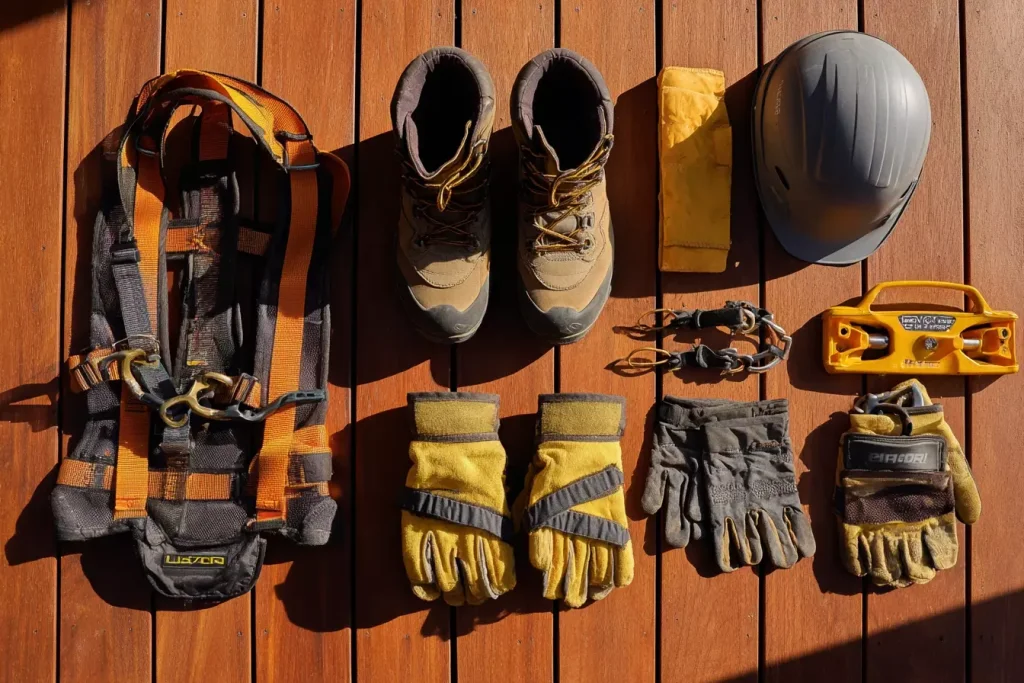
Essential Safety Equipment
- Non-slip footwear with rubber soles
- Safety harness and anchor points for roofs higher than 2 metres
- Sturdy extension ladder with stabilizers
- Safety helmet or hard hat
- Gloves for protection against sharp edges
- Mobile phone to call for help if needed
Pre-Inspection Checklist: Weather, Gear & Tools
Proper preparation is crucial for a safe and effective roof inspection. This pre-inspection checklist ensures you have everything needed before you begin.
Weather Conditions Assessment
Never inspect your roof during adverse weather conditions. Check the Bureau of Meteorology forecast before planning your inspection. Ideal conditions include:
- Clear, dry day with good visibility
- Moderate temperature (avoid extreme heat)
- Low wind conditions (under 20 km/h)
- No forecast for rain within 24 hours
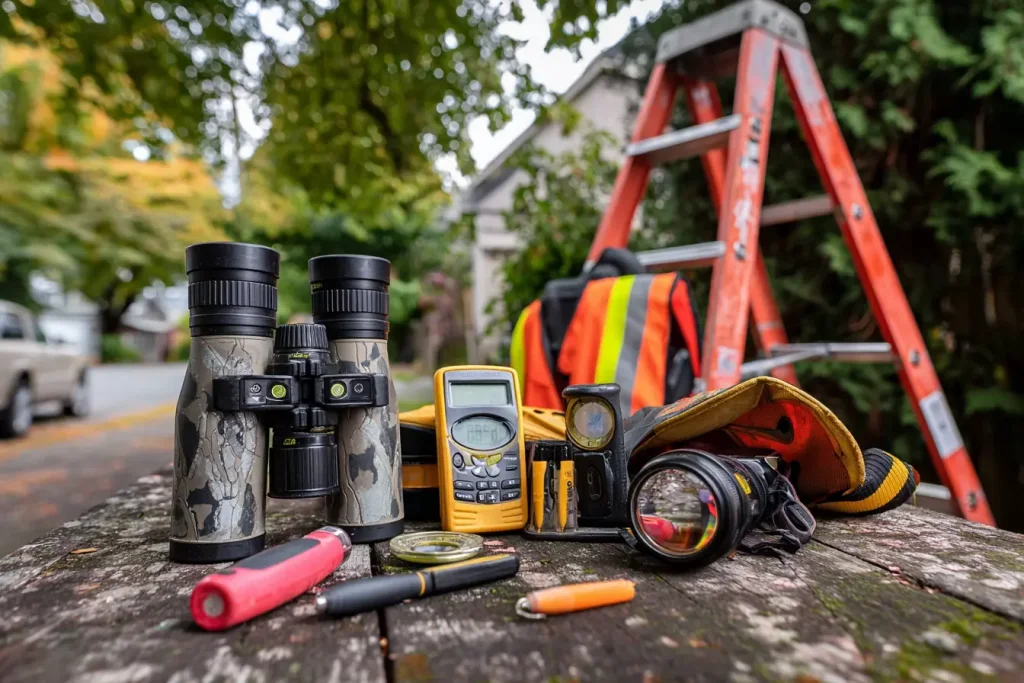
Essential Inspection Tools
Basic Tools
- Binoculars for ground-level inspection
- Digital camera or smartphone for documentation
- Flashlight with fresh batteries
- Measuring tape
- Garden hose for testing drainage
Advanced Tools (If Accessing Roof)
- Roof safety harness system
- Moisture meter for detecting hidden water damage
- Screwdriver for testing wood rot
- Small mirror on extendable pole for checking under eaves
- Drone with camera (if available)
Ground-Level Checks: Binoculars, Drones & What to Look For
The safest way to begin your roof inspection is from ground level. According to WorkSafe WA, nearly 60% of serious roof-related injuries could be prevented by conducting thorough ground assessments before climbing.
Using Binoculars Effectively
A good pair of binoculars allows you to spot many roof issues without climbing. Walk around your property’s perimeter, systematically examining each section of the roof. Focus on:
- Missing, cracked, or curling roof tiles
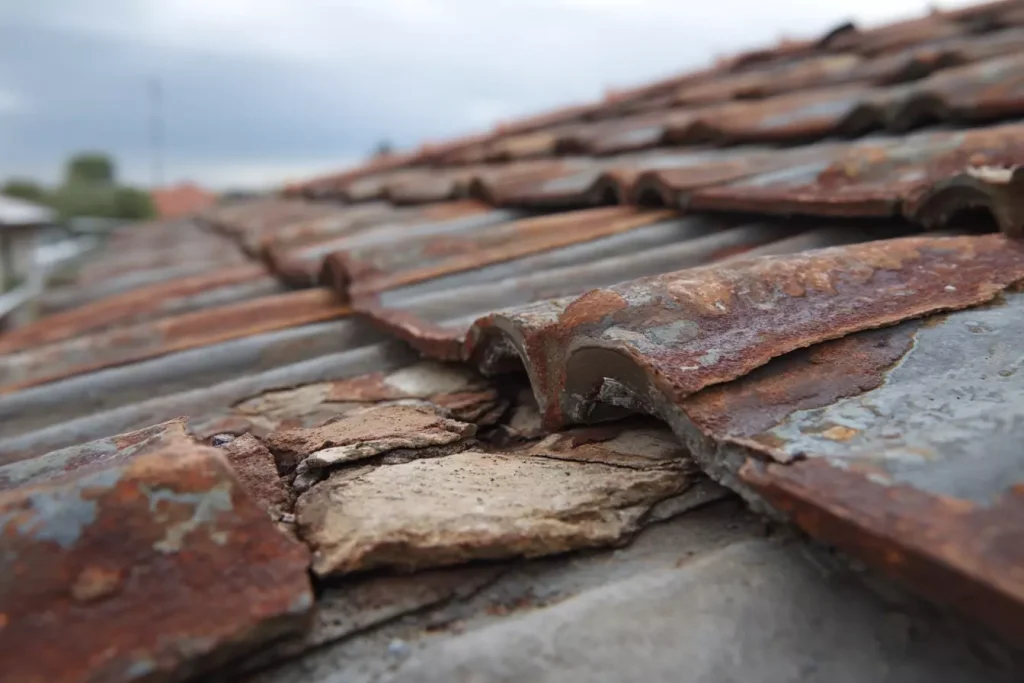
- Damaged or rusted metal sheets
- Sagging roof sections
- Moss or algae growth
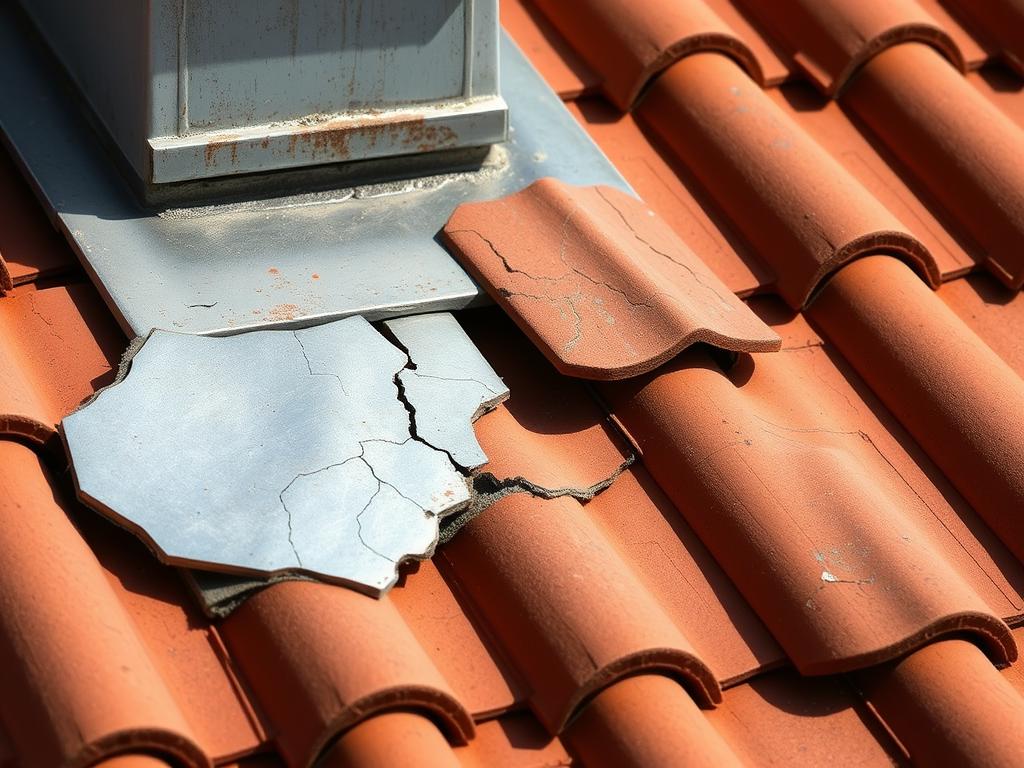
- Damaged flashing around chimneys and vents
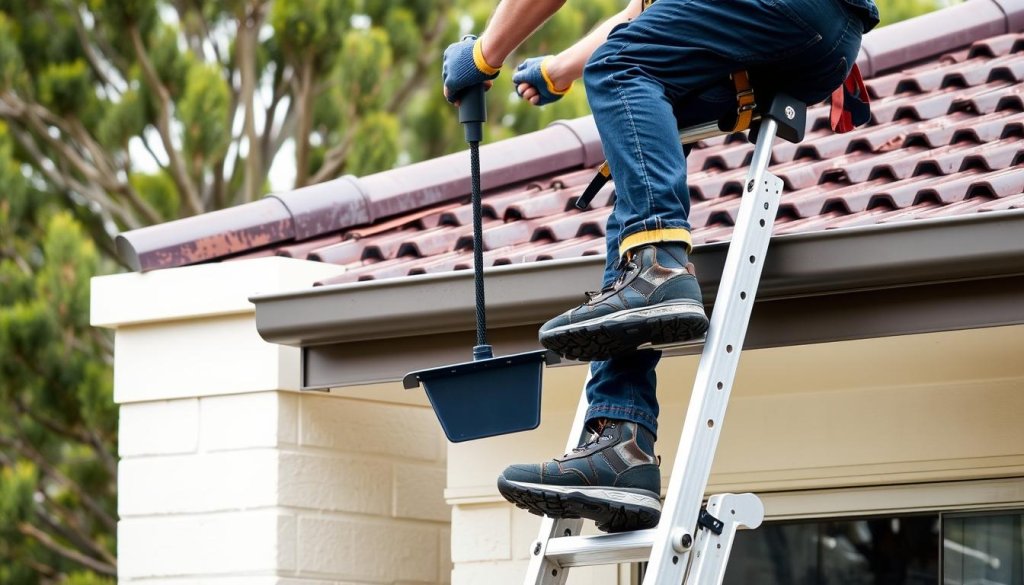
- Blocked gutters or downspouts
Drone Inspection Techniques
Modern technology offers safer alternatives to climbing. A drone with a camera can provide detailed images of your roof’s condition. When using a drone:
- Check local regulations regarding drone usage
- Maintain visual line of sight with the drone at all times
- Fly on days with minimal wind
- Take photos from multiple angles for comprehensive documentation
- Review footage carefully for signs of damage
Pro Tip: Create a simple roof map and mark problem areas as you spot them. This documentation helps track issues over time and provides valuable information if you eventually need roof restoration services.
Safe Ladder Setup & Roof Access (4:1 Ratio Explained)
If ground-level inspection reveals issues requiring closer examination, proper ladder setup becomes critical. The Australian Standard AS/NZS 1892 provides comprehensive guidelines for ladder safety that every homeowner should follow.
The 4:1 Positioning Rule
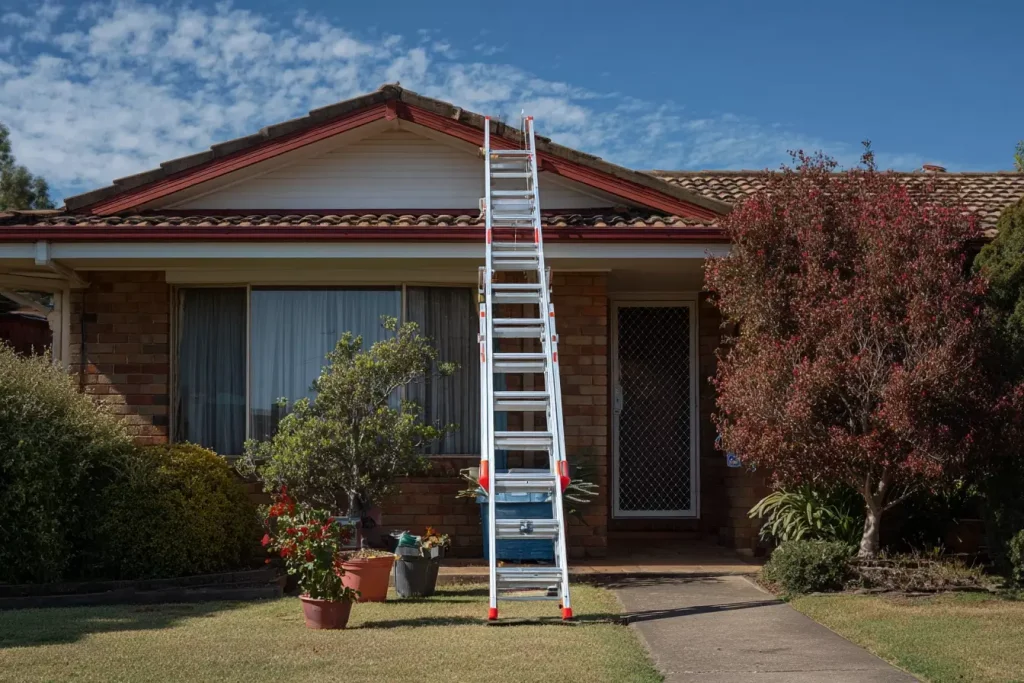
The 4:1 ratio is a fundamental safety principle for ladder placement. For every 4 units of height, position the ladder base 1 unit away from the wall. For example, to reach a 4-metre roof edge, place the ladder base 1 metre from the wall. This creates the optimal 75-degree angle for stability and safety.
Securing Your Ladder
- Place ladder on firm, level ground (never on soft soil or gravel)
- Extend ladder at least 1 metre above the roof edge
- Secure the base with ladder stabilizers or have someone hold it
- Tie off the top of the ladder to a secure point if possible
- Always maintain three points of contact when climbing
- Never lean to the side while on a ladder – reposition instead
Warning: According to Safe Work Australia, improper ladder use contributes to over 1,600 hospitalizations annually. Never use a ladder during wet or windy conditions, and always inspect it for damage before use.
Roof Access Technique
When transitioning from ladder to roof:
- Step onto the roof at the strongest points (near rafters)
- Wear a properly secured safety harness connected to an anchor point
- Walk on the lower third of tiles to avoid breakage
- Step on the flat part of metal roofing, never on raised seams
- Move slowly and deliberately, distributing weight evenly
Attic Inspection: Finding Leaks, Mould & Insulation Issues
Before venturing onto your roof, inspect your attic or roof cavity. This interior check can reveal many problems without the risks of exterior inspection. According to CSIRO research, up to 35% of Australian homes have some form of mould growth, often starting in poorly ventilated roof spaces.
Signs of Water Intrusion
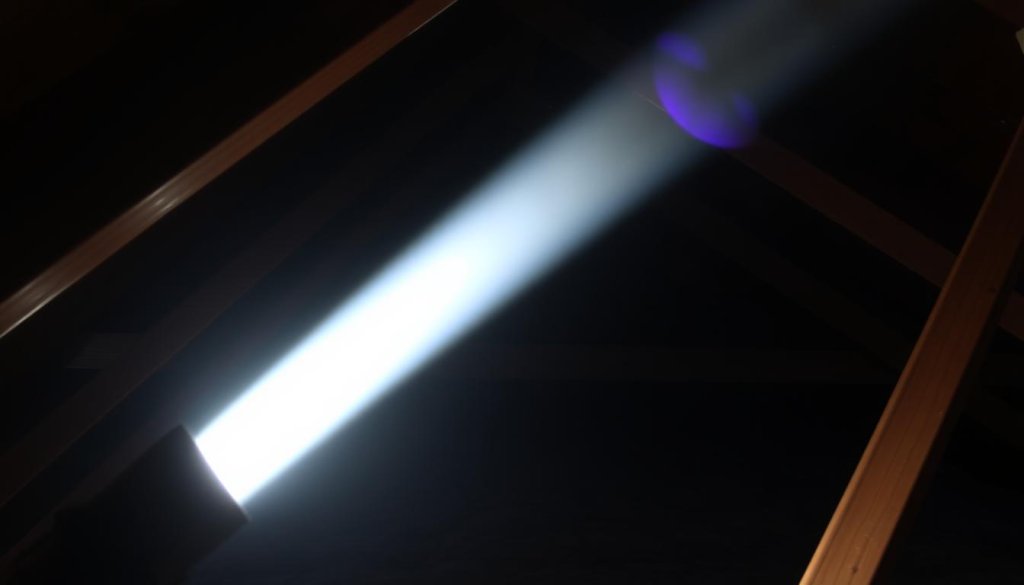
Enter your attic during daylight hours with a flashlight and look for:
- Water stains or discoloration on rafters and decking
- Damp insulation or compressed insulation (sign of previous wetting)
- Visible daylight through roof boards (indicates holes)
- Mould growth (black, green, or white patches)
- Musty odours (indicating hidden moisture)
- Sagging roof decking between rafters
Testing for Active Leaks
To check for active leaks:
- Use a moisture meter to test suspicious areas
- Press a screwdriver gently against wood – softness indicates rot
- Mark leak locations with chalk for later reference
- Take photos of problem areas for documentation
Insulation and Ventilation Assessment
Proper insulation and ventilation are crucial for roof longevity. Check for:
- Adequate insulation depth (recommended R-value varies by climate zone)
- Even distribution without gaps or compressed areas
- Clear soffit vents and ridge vents
- Signs of pest infestation in insulation
- Proper bathroom and kitchen exhaust venting (should exit through roof, not into attic)
Exterior Roof Inspection: Tiles, Flashing & Gutter Health
If your ground-level and attic inspections indicate the need for closer examination, and you’ve taken all necessary safety precautions, a careful exterior inspection can provide valuable insights into your roof’s condition.
Roofing Material Assessment
Tile Roofs
- Cracked, broken, or missing tiles
- Displaced or slipping tiles
- Moss or lichen growth
- Deteriorating pointing or ridge capping
- Efflorescence (white powdery substance)
Metal Roofs
- Rust spots or corrosion
- Loose or missing screws
- Lifted sheets or damaged seams
- Dents from hail damage
- Deteriorating rubber seals around fixtures
Flashing and Joint Inspection
Flashing is critical for preventing water intrusion at roof joints and penetrations. Inspect:
- Valley flashing between roof sections
- Chimney and vent pipe flashing
- Skylight perimeters
- Wall-to-roof intersections
- Damaged sealant or visible gaps
Gutter and Downspout Condition
Functional gutters are essential for proper roof drainage. Regular gutter cleaning prevents many common roof problems. Check for:
- Debris accumulation and blockages
- Sagging sections or improper slope
- Rust or corrosion holes
- Loose or missing brackets
- Disconnected downspouts
- Signs of overflow or water damage on fascia boards
Seasonal Maintenance Schedule (+ Free Printable Checklist)
Regular inspections are key to preventing major roof issues. Australian homes face unique seasonal challenges that require specific maintenance approaches throughout the year.
| Season | Inspection Frequency | Common Issues | Priority Tasks |
| Summer (Dec-Feb) | Monthly | UV damage, thermal expansion, storm damage | Check for cracked tiles, inspect sealants, clear debris |
| Autumn (Mar-May) | Bi-monthly | Leaf buildup, blocked gutters, early signs of leaks | Gutter cleaning, check downspouts, inspect for water stains |
| Winter (Jun-Aug) | Monthly | Water pooling, moss growth, condensation | Check attic ventilation, inspect flashing, address moss growth |
| Spring (Sep-Nov) | Bi-monthly | Storm damage, nesting pests, algae growth | Comprehensive inspection, repair storm damage, check for pests |
Get Your Free Roof Inspection Checklist
Download our comprehensive printable checklist to track your seasonal roof inspections and maintenance tasks. Stay organized and never miss an important check.
Documentation Best Practices
Maintaining records of your roof inspections provides valuable history and can help with insurance claims. For effective documentation:
- Date each inspection and note weather conditions
- Take photos of the same areas over time to track changes
- Keep receipts for any materials or professional services
- Note when repairs were made and their effectiveness
- Update your maintenance calendar with reminders for future inspections
When to Call a Professional Roofer
While DIY inspections are valuable for routine maintenance, certain situations demand professional expertise. Recognizing these scenarios can prevent safety risks and ensure proper repairs.
Red Flag Issues Requiring Immediate Professional Attention
- Structural sagging or visible roof deformation
- Multiple or large active leaks
- Widespread damage after severe storms
- Extensive rust on metal roofing
- More than a few broken or missing tiles
- Signs of termite damage or wood rot
- Any electrical issues near roofing (e.g., damaged solar panel connections)
Benefits of Professional Inspection
Even with regular DIY checks, scheduling a professional roof inspection every 2-3 years offers significant advantages:
- Expert identification of hidden problems
- Proper safety equipment and training
- Access to specialized diagnostic tools
- Knowledge of current building codes and standards
- Professional documentation for insurance purposes
- Accurate cost estimates for necessary repairs
Choosing a Qualified Roof Inspector
When selecting a professional, ensure they:
- Hold appropriate licenses and insurance
- Have specific experience with your roof type
- Provide detailed written reports with photos
- Offer clear explanations of findings
- Have positive reviews and references
- Are members of industry associations like the Master Builders Association
Frequently Asked Questions
How often should you inspect your roof in Australia?
Australian homes should have their roofs inspected at least twice a year – ideally at the beginning of autumn and spring. However, inspection frequency should increase in areas with extreme weather conditions. Coastal properties exposed to salt air may require quarterly checks, while homes in bushfire-prone regions should be inspected before and after fire season. After any severe weather event (cyclone, hailstorm, or heavy winds), an additional inspection is strongly recommended.
Can I walk on a tiled roof during inspection?
Walking on tiled roofs requires extreme caution and is generally not recommended for homeowners without proper training and safety equipment. Terracotta and concrete tiles can crack under concentrated weight, especially when they’re older. If you must walk on tiles, step on the lower third of the tile where it overlaps with the tile below and near the roof battens for support. Always wear soft-soled shoes and use a safety harness. For most homeowners, it’s safer to inspect tile roofs from a ladder at the eaves or hire a professional.
What height requires a harness in Australia?
According to Australian Work Health and Safety regulations, fall protection (including harnesses) is required when working at heights of 2 metres or more. However, some state regulations may have stricter requirements. For homeowners, it’s safest to use a harness for any roof work regardless of height. The Safe Work Australia Code of Practice recommends using fall protection systems even at lower heights when working on potentially unstable or slippery surfaces.
How do I check for roof leaks without climbing?
You can effectively check for roof leaks without climbing by: 1) Inspecting your ceiling and walls for water stains, bubbling paint, or mould growth; 2) Examining your attic or roof cavity for water stains, damp insulation, or visible daylight; 3) Using binoculars from ground level to spot missing tiles, damaged flashing, or other visible issues; 4) Employing a drone with a camera for aerial inspection; 5) During light rain, listening for dripping sounds in the attic; and 6) Checking your gutters for unusual amounts of granules or tile fragments, which indicate roof material deterioration.
Does home insurance cover DIY roof inspection accidents?
Most Australian home insurance policies provide limited coverage for accidents during DIY roof inspections. While your home insurance typically covers injuries to visitors on your property, personal injuries to yourself usually fall under health insurance or personal accident insurance. Additionally, damage caused during DIY work may be excluded if the insurer determines improper maintenance or negligence. Always check your specific policy details before attempting roof inspections, as some insurers explicitly exclude coverage for DIY accidents involving heights. Consider adding personal accident insurance if you regularly perform your own home maintenance.
Conclusion: Protecting Your Home Starts at the Top
Regular DIY roof inspections are a valuable part of home maintenance, helping you spot potential issues before they become costly problems. By following the safety guidelines and inspection techniques outlined in this guide, you can maintain your roof’s integrity while staying safe in the process. Remember that while DIY inspections are important, they complement rather than replace professional assessments.
For complex issues, steep roofs, or when you’re unsure about what you’re seeing, it’s always best to consult with qualified roofing professionals. Your safety should always be the priority – no roof repair is worth risking personal injury.
Book Your Free Roof Safety Assessment Today
Our experienced tradies bring harnesses, eagle eyes, and 23 years of Aussie roofing experience to every inspection. Get peace of mind knowing your roof is in good hands.
Or call us directly: 1300 ROOF PRO (1300 766 377)
Preserving History: A Heritage Roof Restoration Case Study in Sydney
Read More »Roof Inspection Checklist: Essential Guide for Australian Homeowners
Read More »Colorbond vs. Terracotta vs. Slate: Which Roof Material Suits Your Climate?
Read More »At Roofs.com.au, we are dedicated to providing top-quality roofing services across Australia. With years of experience in the roofing industry, we have earned a reputation for delivering reliable, efficient, and high-quality roofing solutions.
Navigation
Get in Touch
We’d love to hear from you! Whether you need a roof inspection, a free quote, or emergency roof repairs, our team is ready to assist you. Please visit our Contact Page to get in touch with us.
Contact Us Copyright © Roofs.com.au. All Rights Reserved.Roofs.com.au
REQUEST A QUOTE
At Roofs.com.au, we take pride in being responsive, reliable, and ready to solve all your roofing needs. Simply complete the form & one of our team member will be in contact with you shortly.
Request a QuoteRoofs.com.au
Submit your interest
Submit your interest using the form below. We will review your details and get back to you.
Images on This Page
-
https://roofs.com.au/wp-content/uploads/2025/05/roofs.com_.au-logo.png
(no alt text)
-
https://roofs.com.au/wp-content/uploads/2025/07/image-26-1024x683.webp
(no alt text)
-
https://roofs.com.au/wp-content/uploads/2025/07/image-27-1024x683.webp
(no alt text)
-
https://roofs.com.au/wp-content/uploads/2025/07/image-28-1024x683.webp
(no alt text)
-
https://roofs.com.au/wp-content/uploads/2025/07/image-29-1024x683.webp
(no alt text)
-
https://roofs.com.au/wp-content/uploads/2025/07/Attic-inspection-showing-water-stains-and-daylight-through-roof-boards-1024x585.jpeg
Attic inspection showing water stains and daylight through roof boards
-
https://roofs.com.au/wp-content/uploads/2025/07/Close-up-of-damaged-roof-tiles-and-flashing-on-an-Australian-home.jpeg
Close-up of damaged roof tiles and flashing on an Australian home
-
https://roofs.com.au/wp-content/uploads/2025/07/Person-safely-cleaning-gutters-on-an-Australian-home-using-proper-equipment-1024x585.jpeg
Person safely cleaning gutters on an Australian home using proper equipment
-
https://roofs.com.au/wp-content/uploads/2025/07/Australian-homeowner-documenting-roof-inspection-findings-on-a-checklist.jpeg
Australian homeowner documenting roof inspection findings on a checklist
-
https://roofs.com.au/wp-content/uploads/2025/07/image-30-1024x683.webp
(no alt text)
-
https://roofs.com.au/wp-content/uploads/2025/07/Professional-roofer-conducting-a-comprehensive-roof-assessment-on-an-Australian-home-1024x585.jpeg
Professional roofer conducting a comprehensive roof assessment on an Australian home
-
https://roofs.com.au/wp-content/uploads/2025/08/image.webp
(no alt text)
-
https://roofs.com.au/wp-content/uploads/2025/05/Roof-Inspection.jpg
(no alt text)
-
https://roofs.com.au/wp-content/uploads/2025/06/roof-in-different-weather.jpeg
roof in different weather
-
https://roofs.com.au/wp-content/uploads/2024/07/roofs.com_.au-logo-2.png
(no alt text)